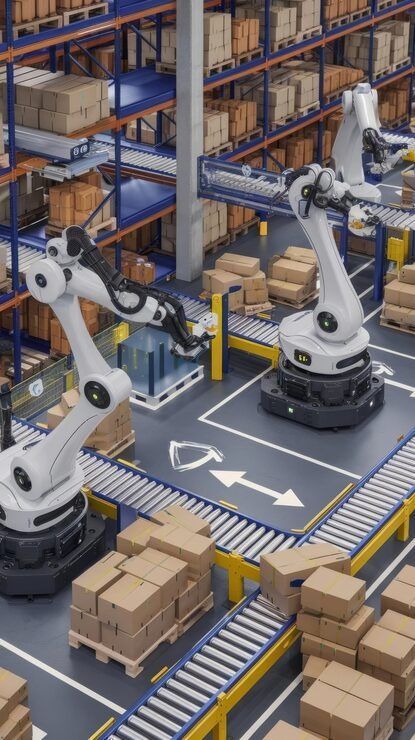
Automated Warehouse Systems: Machines, Technologies, and Industry Trends
Automated warehouse systems are advanced combinations of machines, software, sensors, and intelligent control technologies that improve how goods are stored, moved, tracked, and prepared for distribution. These systems reduce manual handling by allowing equipment to perform repetitive warehouse activities with greater accuracy and consistency.
Warehouses have changed significantly over the past decade. Traditional facilities depended heavily on manual labor for storing products, locating inventory, and moving goods between storage areas. As industries expanded and customer expectations increased, organizations needed faster and more reliable warehouse operations. This need encouraged the development of warehouse automation technologies.
Today, automated warehouse systems are used across manufacturing, retail, healthcare, pharmaceuticals, food processing, automotive, electronics, and e-commerce industries. They help warehouses process larger inventory volumes while maintaining accurate inventory records and smoother daily operations.
Common technologies found in modern warehouses include:
| Warehouse Technology | Primary Purpose |
|---|---|
| Automated Storage Systems | Store and retrieve inventory automatically |
| Conveyor Systems | Move products efficiently |
| Warehouse Robotics | Transport goods between locations |
| Barcode and RFID Technology | Track inventory movement |
| Vision Inspection Systems | Improve identification accuracy |
| Warehouse Management Software | Coordinate warehouse activities |
| Artificial Intelligence | Improve decision-making and forecasting |
| Internet of Things Sensors | Monitor equipment and inventory conditions |
These technologies work together to create connected warehouse environments capable of handling increasingly complex logistics operations.
Why Automated Warehouse Systems Are Important
Warehouse automation has become an important part of modern supply chain management because businesses now handle greater product variety and larger shipment volumes than ever before.
One of the biggest advantages is improved operational efficiency. Automated machines perform repetitive activities consistently, reducing delays while improving inventory movement throughout the warehouse.
Important benefits include:
- Better inventory visibility
- Faster order processing
- Improved inventory accuracy
- Better warehouse space utilization
- Reduced operational errors
- Enhanced workplace safety
- Consistent product handling
- Better production planning
- Improved supply chain coordination
Industries benefiting from warehouse automation include:
- Manufacturing
- Automotive
- Consumer goods
- Electronics
- Food processing
- Pharmaceutical production
- Cold storage facilities
- Distribution centers
- Retail logistics
Automation also supports business continuity during periods of increased demand by helping warehouses manage higher inventory volumes without major operational disruptions.
From a sustainability perspective, optimized warehouse layouts, intelligent routing systems, and energy-efficient equipment contribute to reduced energy consumption and more efficient resource utilization.
High-value SEO keywords naturally associated with this topic include:
- Warehouse Automation
- Smart Warehouse Technology
- Industrial Automation
- Warehouse Robotics
- Material Handling Equipment
- Automated Storage Systems
- Supply Chain Automation
- Warehouse Management Systems
- Logistics Technology
- Inventory Management Solutions
Recent Updates in Warehouse Automation
Warehouse automation continues to evolve rapidly as digital technologies become more sophisticated.
During 2025 and early 2026, several industry trends gained significant attention across global logistics and manufacturing sectors.
Greater Use of Artificial Intelligence
Artificial intelligence is increasingly being integrated into warehouse management software. AI helps analyze inventory movement, optimize storage locations, improve demand forecasting, and identify operational bottlenecks before they affect productivity.
Expansion of Autonomous Mobile Robots
Autonomous Mobile Robots (AMRs) continue replacing fixed transportation methods in many warehouses. Unlike traditional automated guided vehicles, AMRs can dynamically adjust routes using onboard sensors and mapping technology.
Improved Machine Vision
Modern vision systems now identify damaged packages, verify labels, recognize products, and assist automated picking operations with greater precision.
Digital Twin Technology
Many industrial facilities are using digital warehouse models to simulate workflows before making physical changes. These virtual environments support planning and operational improvements.
Energy-Efficient Automation
Manufacturers increasingly design warehouse equipment with energy-saving motors, intelligent power management, and optimized operating cycles to support environmental goals.
Cloud-Based Warehouse Platforms
Cloud-connected warehouse management systems continue expanding, allowing multiple facilities to coordinate inventory and operational data more efficiently.
These developments demonstrate the growing role of intelligent automation in modern logistics and industrial manufacturing.
Laws and Policies Related to Warehouse Automation
Warehouse automation operates within several regulatory frameworks depending on the country and industry.
Most governments focus on ensuring worker safety, equipment reliability, data protection, and environmental responsibility rather than regulating automation itself.
Important policy areas include:
| Policy Area | Purpose |
|---|---|
| Workplace Safety Regulations | Protect employees working with automated machinery |
| Electrical Equipment Standards | Ensure safe installation and operation |
| Machinery Safety Requirements | Reduce operational risks |
| Data Privacy Regulations | Protect digital operational information |
| Environmental Policies | Encourage energy efficiency and waste reduction |
| Industrial Standards | Promote consistent equipment quality |
Manufacturing facilities generally follow occupational safety requirements covering machine guarding, emergency stop systems, warning indicators, employee training, and maintenance procedures.
Many countries also encourage digital manufacturing through industrial modernization initiatives supporting smart factories, automation technologies, and digital transformation.
Organizations implementing warehouse automation should also maintain proper documentation, preventive maintenance schedules, equipment inspections, and cybersecurity practices to support reliable operations.
Tools and Resources for Learning Warehouse Automation
Many practical resources help professionals understand warehouse automation technologies and operational planning.
Useful learning resources include:
- Warehouse layout planning templates
- Inventory management calculators
- Barcode generation tools
- RFID planning guides
- Equipment maintenance checklists
- Productivity measurement templates
- Storage capacity calculators
- Energy consumption estimators
- Supply chain planning worksheets
- Automation readiness assessment templates
Educational resources often include:
- Technical documentation
- Industry white papers
- Engineering handbooks
- Industrial automation training materials
- Manufacturing process guides
- Warehouse safety manuals
- Logistics planning resources
Simulation software is also becoming increasingly valuable because it allows warehouse planners to evaluate equipment layouts before implementation.
Data visualization dashboards help monitor:
- Inventory levels
- Equipment utilization
- Storage capacity
- Order processing times
- Machine performance
- Operational efficiency
- Material movement
- Warehouse productivity
These resources support informed planning while improving operational understanding.
Frequently Asked Questions
What is an automated warehouse system?
An automated warehouse system combines machines, software, robotics, sensors, and inventory management technologies to improve product storage, movement, tracking, and warehouse efficiency with minimal manual intervention.
Which industries commonly use warehouse automation?
Manufacturing, automotive, pharmaceuticals, retail distribution, food processing, electronics, logistics, consumer goods, and healthcare industries commonly use warehouse automation to improve operational efficiency.
What machines are commonly found in automated warehouses?
Common equipment includes conveyor systems, automated storage and retrieval systems, robotic picking machines, pallet handling equipment, barcode scanners, RFID readers, autonomous mobile robots, and automated sorting systems.
How does warehouse automation improve inventory accuracy?
Automation continuously tracks inventory movement using sensors, barcode systems, RFID technology, and warehouse management software, reducing manual recording errors and improving inventory visibility.
What technologies are shaping the future of warehouse automation?
Artificial intelligence, machine learning, Internet of Things sensors, autonomous mobile robots, digital twins, machine vision systems, cloud computing, predictive analytics, and advanced warehouse management platforms are shaping the future of warehouse automation.
Conclusion
Automated warehouse systems have become an essential part of modern industrial operations by combining intelligent machines, digital technologies, and advanced software into highly coordinated warehouse environments. These systems improve inventory accuracy, enhance operational efficiency, strengthen workplace safety, and support more effective supply chain management.