Industrial Solar Manufacturing Machine Basics: Equipment and Production Process
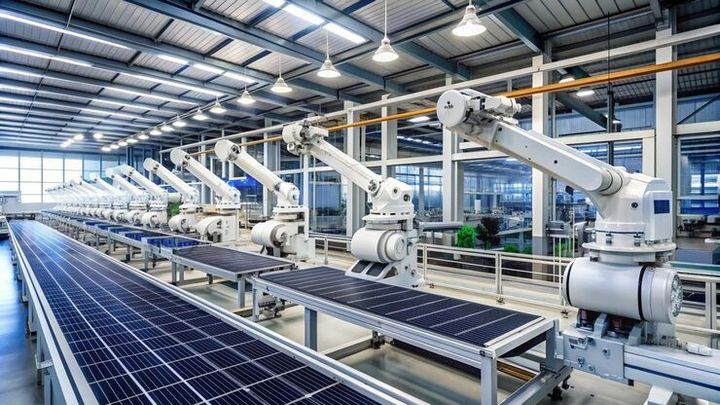
Industrial solar manufacturing machines are specialized equipment used to produce solar cells and solar panels on a large scale. These machines perform multiple production stages, including wafer preparation, cell processing, module assembly, testing, and quality inspection. Their purpose is to improve manufacturing accuracy, production consistency, and operational efficiency.
The growth of renewable energy has increased the need for reliable manufacturing systems that can support large-scale solar panel production. Modern production facilities combine automated machinery, precision engineering, robotics, and digital monitoring to manufacture high-quality photovoltaic (PV) products.
Solar technology has evolved significantly over the past two decades. Earlier manufacturing methods relied heavily on manual operations, while today's facilities use intelligent automation and advanced quality control systems. These improvements help manufacturers maintain consistent production while reducing material waste and improving product reliability.
Industrial solar manufacturing machines exist because renewable energy demand continues to grow worldwide. Governments, industries, and communities are investing in cleaner energy sources, making efficient solar manufacturing an important part of the global energy transition.
Importance
Industrial solar manufacturing machines play a significant role in expanding renewable energy infrastructure. As electricity demand increases, efficient manufacturing systems help support the production of reliable solar panels used in residential, commercial, and industrial applications.
Several groups benefit from these manufacturing technologies:
- Solar panel manufacturers
- Renewable energy developers
- Industrial engineers
- Manufacturing professionals
- Research institutions
- Energy infrastructure planners
These machines help solve several manufacturing challenges:
| Manufacturing Challenge | Machine Contribution |
|---|---|
| Production consistency | Automated precision manufacturing |
| Material handling | Robotic handling systems reduce errors |
| Quality inspection | Automated testing improves accuracy |
| High production demand | Continuous production lines increase output |
| Manufacturing efficiency | Integrated automation improves workflow |
Modern production facilities often integrate industrial automation, artificial intelligence, machine vision, and digital monitoring systems. These technologies enable continuous production while maintaining quality standards.
Another important advantage is process standardization. Every solar module must meet strict performance requirements before reaching the market. Manufacturing equipment helps ensure that each production stage follows consistent procedures.
The industry also supports sustainability goals by improving manufacturing efficiency and reducing unnecessary material waste. Better production control contributes to responsible resource utilization across the manufacturing cycle.
Recent Updates
The solar manufacturing industry has experienced several important developments during the past year.
Increased Manufacturing Automation
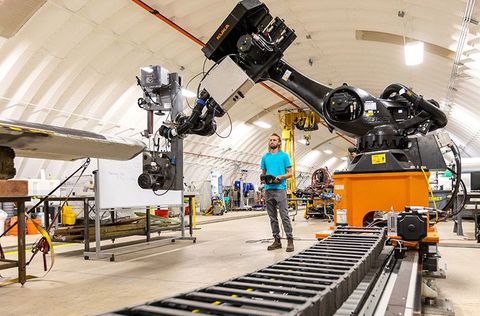
During 2025 and early 2026, many production facilities expanded the use of robotic systems for wafer handling, cell alignment, laser processing, and module assembly. Automation continues to improve production precision while reducing operational interruptions.
AI-Based Quality Inspection
Artificial intelligence has become more common in manufacturing inspection systems. Machine vision cameras now identify tiny surface defects, alignment issues, and production inconsistencies much faster than traditional inspection methods.
Higher Efficiency Solar Cells
Manufacturers continue adopting newer photovoltaic technologies that improve energy conversion efficiency. Equipment has evolved to support advanced cell architectures and more precise production techniques.
Smart Factory Integration
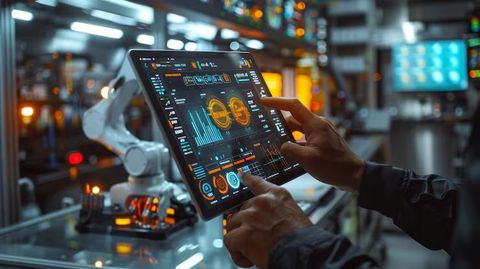
Digital manufacturing systems are becoming standard across modern facilities. Industrial Internet of Things (IIoT) sensors collect production data in real time, allowing engineers to monitor equipment performance and production quality more effectively.
Sustainable Manufacturing Practices
Many production facilities are focusing on reducing energy consumption, improving recycling processes, and minimizing manufacturing waste. Environmental sustainability has become an important consideration in equipment design and factory operations.
These developments demonstrate how industrial solar manufacturing continues evolving through automation, digital technology, and production innovation.
Laws or Policies
Solar manufacturing is influenced by national regulations, industrial standards, environmental policies, and renewable energy programs.
In many countries, governments encourage renewable energy development through clean energy policies, manufacturing incentives, and sustainability initiatives. Although regulations vary by country, several common areas affect solar manufacturing.
Environmental Regulations
Manufacturing facilities must follow environmental rules related to:
- Waste management
- Air emissions
- Water usage
- Chemical handling
- Resource conservation
These regulations help reduce the environmental impact of industrial production.
Product Quality Standards
Solar panels are typically manufactured according to recognized quality and safety standards. Manufacturers perform testing to verify durability, electrical performance, and long-term reliability before products enter the market.
Workplace Safety
Industrial production facilities follow occupational safety requirements covering:
- Machine operation
- Electrical safety
- Protective equipment
- Emergency procedures
- Equipment maintenance
Safety practices protect workers while supporting reliable production.
Renewable Energy Programs
Many governments continue supporting renewable energy expansion through national clean energy strategies, infrastructure planning, and manufacturing development initiatives. These programs encourage continued investment in solar manufacturing technologies.
Manufacturers regularly monitor regulatory changes to ensure compliance with current industrial and environmental requirements.
Tools and Resources
Various tools and resources support learning, planning, operating, and improving industrial solar manufacturing processes.
Design and Engineering Software
Engineering software helps manufacturers design production layouts, simulate manufacturing processes, and improve equipment performance.
Production Monitoring Systems
Digital monitoring platforms collect real-time production information, machine performance data, and quality measurements to improve manufacturing efficiency.
Quality Inspection Systems
Machine vision technology, automated optical inspection systems, and precision measurement equipment help identify production defects throughout manufacturing.
Energy Performance Calculators
General photovoltaic performance calculators assist engineers in evaluating expected module efficiency, energy generation estimates, and production outcomes.
Learning Resources
Educational resources include:
- Industry publications
- Engineering manuals
- Manufacturing guides
- Technical training materials
- Renewable energy research papers
Maintenance Checklists
Preventive maintenance templates help operators schedule inspections for production equipment, reducing unexpected downtime and extending machine life.
Digital Documentation
Electronic production records, quality reports, and maintenance logs support consistent manufacturing documentation and process management.
These resources help manufacturing professionals improve operational knowledge while supporting continuous production improvement.
Frequently Asked Questions
What is an industrial solar manufacturing machine?
An industrial solar manufacturing machine is specialized equipment used to produce solar cells and solar panels through automated manufacturing processes such as cutting, assembly, testing, lamination, inspection, and packaging.
What equipment is commonly used during solar panel production?
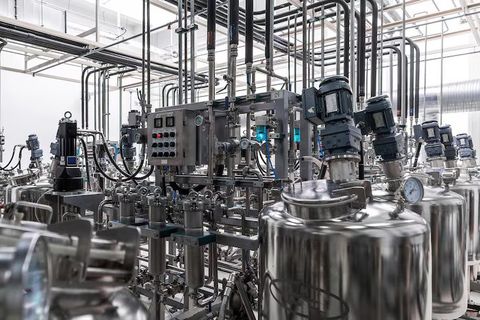
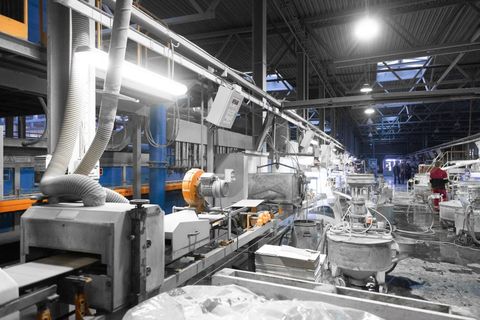
Typical equipment includes wafer processing machines, laser cutting systems, diffusion furnaces, screen printers, laminators, stringing machines, robotic handling systems, testing equipment, and automated quality inspection systems.
Why is automation important in solar manufacturing?
Automation improves manufacturing accuracy, production consistency, operational efficiency, product quality, and production speed while reducing manual handling errors.
How does quality inspection improve manufacturing?
Quality inspection systems identify defects during production, allowing manufacturers to maintain consistent product performance and reduce manufacturing variations before final testing.
How is the solar manufacturing industry changing?
The industry continues adopting artificial intelligence, robotics, digital monitoring, smart factory technologies, higher-efficiency photovoltaic manufacturing methods, and environmentally responsible production practices.
Conclusion
Industrial solar manufacturing machines form the foundation of modern photovoltaic production. These advanced manufacturing systems combine automation, precision engineering, robotics, and digital monitoring to produce reliable solar panels that support renewable energy development around the world.
As renewable energy demand continues to grow, manufacturing technologies are becoming smarter, more efficient, and increasingly sustainable. Recent advances in artificial intelligence, machine vision, industrial automation, and smart factory integration are transforming production processes while improving quality and operational efficiency.