Oxygen Concentrators Overview: How They Work and Who Can Benefit
Oxygen concentrators are medical devices that help provide oxygen-enriched air to people.
Unlike oxygen cylinders, these devices separate oxygen from the surrounding air, making them a practical part of modern oxygen therapy equipment in many healthcare settings. Today, oxygen concentrators are commonly found in homes, hospitals, rehabilitation centers, and long-term care facilities.
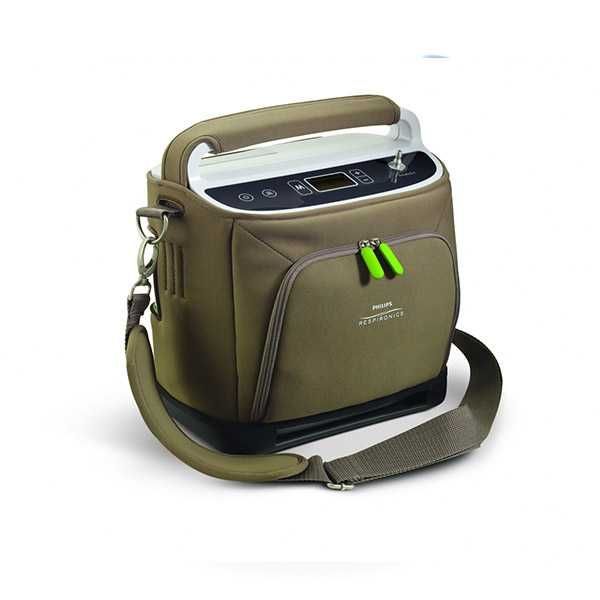
Several types of oxygen concentrators are available, including a portable oxygen concentrator, a home oxygen concentrator, and a continuous flow oxygen concentrator. Each type is designed for different situations and oxygen needs. These devices are part of a wider group of medical oxygen equipment and medical respiratory equipment used to support people with breathing difficulties.
Understanding how oxygen concentrators work and where they are used helps people make informed decisions about oxygen therapy, daily living, and healthcare planning.
Context
What Is an Oxygen Concentrator?
An oxygen concentrator is a machine that draws in room air, removes most of the nitrogen, and delivers oxygen-rich air through tubing or a mask. Since the device continuously processes surrounding air, it does not depend on stored oxygen like traditional cylinders.
Many people refer to these devices as a portable oxygen machine or medical oxygen concentrator, depending on their design and intended environment. Although they perform the same basic function, different models are designed for home use, travel, or healthcare facilities.
How Oxygen Concentrators Developed
Earlier oxygen therapy often relied on compressed oxygen cylinders. Advances in air separation technology made oxygen concentrators more practical for continuous use. Improvements in size, energy efficiency, and noise reduction have expanded their use across many healthcare environments.
Modern oxygen therapy devices now include digital displays, adjustable oxygen settings, and safety monitoring features. These improvements have made the equipment easier for patients and healthcare professionals to operate.
How Oxygen Concentrators Work
Most oxygen concentrators operate using a process called pressure swing adsorption. Air enters the machine through filters, where dust and other particles are removed. The air then passes through specialized materials that separate nitrogen from oxygen.
The resulting oxygen-rich air is delivered to the user through nasal tubing or another delivery system. The remaining gases are safely released back into the environment.
The general process includes:
- Drawing room air into the machine
- Filtering airborne particles
- Separating nitrogen from oxygen
- Delivering oxygen-enriched air
- Repeating the process continuously while operating
Importance
Supporting Home Oxygen Therapy
Home oxygen therapy allows many individuals with long-term breathing conditions to receive oxygen without remaining in a healthcare facility. A home oxygen concentrator is often selected when regular oxygen support is needed over extended periods.
These devices help healthcare providers manage ongoing respiratory care while allowing individuals to remain in familiar surroundings. Treatment plans vary according to each person's medical condition and oxygen requirements.
Helping Different Groups of People
Oxygen therapy may be considered for people with conditions that reduce oxygen levels in the blood. Examples include certain chronic lung diseases, recovery after respiratory illness, some heart conditions, and other medical situations determined by healthcare professionals.
People who may use oxygen therapy equipment include:
- Older adults with chronic respiratory conditions
- Individuals recovering from certain illnesses
- Patients receiving long-term respiratory care
- People requiring oxygen during physical activity
- Hospital patients receiving monitored treatment
Not everyone with breathing discomfort requires oxygen therapy. Healthcare professionals usually determine whether oxygen support is appropriate through medical evaluation and oxygen level measurements.
Different Types for Different Needs
Choosing between various oxygen therapy devices depends on medical requirements, mobility, and prescribed oxygen flow.
| Type | Common Environment | Main Characteristics |
|---|---|---|
| Portable oxygen concentrator | Travel and daily activities | Lightweight, battery-powered, designed for mobility |
| Home oxygen concentrator | Residential use | Larger unit designed for extended operation |
| Continuous flow oxygen concentrator | Home and hospital settings | Delivers oxygen continuously at prescribed flow rates |
| Medical oxygen concentrator | Clinical and home environments | Used according to medical guidance |
Role in Healthcare Facilities
Hospitals and healthcare centers use hospital oxygen systems alongside other medical respiratory equipment to support patients with varying oxygen needs. These systems may include centralized oxygen delivery, oxygen concentrators, monitoring equipment, and related medical oxygen equipment.
Healthcare teams monitor oxygen levels carefully to ensure patients receive appropriate therapy based on their medical condition.
Recent Updates
Smaller and More Efficient Designs
Recent developments have focused on making oxygen concentrators lighter, quieter, and more energy efficient. Many portable oxygen concentrator models now provide longer battery operation and improved portability while maintaining consistent oxygen delivery.
Manufacturers have also worked on reducing operating noise, making home use more comfortable for many individuals.
Improved Monitoring Features
Modern medical oxygen concentrator models increasingly include digital screens, maintenance reminders, alarm systems, and operating status indicators. These features help users understand equipment operation and identify situations requiring attention.
Some devices also record usage information that may assist healthcare professionals when reviewing long-term oxygen therapy.
Better Integration with Healthcare Technology
Current trends include improved compatibility with digital healthcare systems. Certain oxygen therapy devices can support data recording and remote monitoring features where healthcare systems permit their use.
These developments aim to improve equipment management while supporting ongoing patient care.
Focus on Energy Efficiency
Manufacturers continue developing equipment that uses electricity more efficiently while maintaining consistent oxygen production. This approach can help reduce overall power consumption during extended operation.
Laws or Policies
Medical Device Regulation
In many countries, oxygen concentrators are regulated as medical devices. Manufacturers must comply with safety, quality, and performance requirements before equipment becomes available for clinical or home use.
Regulatory authorities evaluate factors such as electrical safety, device reliability, labeling, and manufacturing standards.
Prescription Requirements
Many healthcare systems require a healthcare professional to determine whether oxygen therapy is medically appropriate. The prescribed oxygen flow rate and duration are based on clinical assessment rather than personal preference.
This process helps ensure oxygen therapy equipment is used according to individual medical needs.
Quality Standards
Medical oxygen equipment is commonly produced according to recognized quality management standards. These standards focus on manufacturing consistency, safety testing, documentation, and ongoing quality control.
Healthcare facilities often obtain equipment from qualified oxygen concentrator suppliers that meet applicable regulatory requirements.
Government Healthcare Programs
Some countries include oxygen therapy within public or private healthcare coverage programs when specific medical criteria are met. Eligibility and equipment arrangements differ depending on national healthcare policies and regional regulations.
Tools and Resources
Oxygen Saturation Monitoring
Pulse oximeters are commonly used alongside oxygen therapy equipment to measure blood oxygen saturation. These devices provide quick readings that healthcare professionals may use when evaluating oxygen needs.
Medical Device Manuals
Instruction manuals supplied with medical oxygen concentrator equipment explain operating procedures, cleaning instructions, maintenance schedules, and safety information. Following these instructions helps maintain proper device performance.
Healthcare Organization Websites
National health authorities and international public health organizations publish educational information about respiratory care, oxygen therapy, and medical respiratory equipment. These resources explain general concepts using language intended for the public.
Equipment Maintenance Checklists
Maintenance checklists help users monitor routine tasks such as:
- Cleaning air filters
- Inspecting tubing
- Checking power connections
- Confirming alarm operation
- Reviewing maintenance schedules
Keeping simple records can assist with routine equipment care according to manufacturer instructions.
FAQs
What is the difference between a portable oxygen concentrator and a home oxygen concentrator?
A portable oxygen concentrator is designed for mobility and is generally smaller and battery-powered. A home oxygen concentrator is usually larger and intended for regular use within a residence, often providing higher continuous operating capacity.
How does a continuous flow oxygen concentrator work?
A continuous flow oxygen concentrator delivers oxygen continuously while the machine is operating. The prescribed flow setting is determined by a healthcare professional based on individual oxygen requirements.
Is a medical oxygen concentrator the same as other medical oxygen equipment?
A medical oxygen concentrator is one category of medical oxygen equipment. Other equipment may include oxygen cylinders, centralized hospital oxygen systems, oxygen masks, tubing, and monitoring devices.
Who may benefit from home oxygen therapy?
Home oxygen therapy may be appropriate for individuals whose blood oxygen levels remain below the range considered appropriate during daily activities or rest. A healthcare professional determines suitability through medical evaluation and testing.
Why are oxygen concentrator suppliers important for healthcare facilities?
Healthcare facilities typically obtain equipment through oxygen concentrator suppliers that follow applicable regulatory and quality requirements. This helps healthcare organizations maintain access to equipment that meets recognized medical device standards.
Conclusion
Oxygen concentrators have become an important part of modern respiratory care by providing oxygen-enriched air for people who require supplemental oxygen. Different options, including portable oxygen concentrator models, home oxygen concentrator units, and continuous flow oxygen concentrator systems, support a variety of healthcare environments and patient needs. Ongoing improvements continue to enhance efficiency, monitoring features, and usability while maintaining established safety standards. Understanding how these devices function helps explain their role within home oxygen therapy, hospital oxygen systems, and broader medical respiratory equipment.