Commercial Water Chiller Maintenance and Performance Guide
A commercial water chiller is an important piece of equipment used in many industries and facilities where temperature control is necessary. These systems remove heat from water and circulate cooled water through various processes, equipment, or building systems. From manufacturing facilities and food processing plants to hospitals, hotels, and office buildings, commercial water chillers help maintain stable operating conditions.
Although the technology behind water chillers may seem complex, the basic concept is straightforward. A chiller takes heat away from water and transfers that heat elsewhere, allowing the cooled water to be reused continuously. This process supports equipment performance, indoor comfort, and temperature-sensitive operations.
As energy efficiency and environmental awareness become more important, many organizations are paying closer attention to cooling technologies. Modern commercial water chillers are designed to improve performance while reducing energy consumption and environmental impact. Understanding how these systems work can help facility managers, building owners, and decision-makers make informed choices about cooling solutions.
What Is a Commercial Water Chiller?
A commercial water chiller is a cooling system that removes heat from water using a refrigeration cycle. The chilled water is then circulated through pipes to absorb heat from equipment, industrial processes, or air-conditioning systems.
Unlike residential cooling units, commercial chillers are designed to handle larger cooling loads and operate continuously in demanding environments. They can be found in a wide range of applications where precise temperature control is important.
The cooled water acts as a heat transfer medium. Once it absorbs heat, it returns to the chiller, where the cooling cycle begins again. This ongoing process creates a reliable method for managing heat in commercial settings.
How a Commercial Water Chiller Works
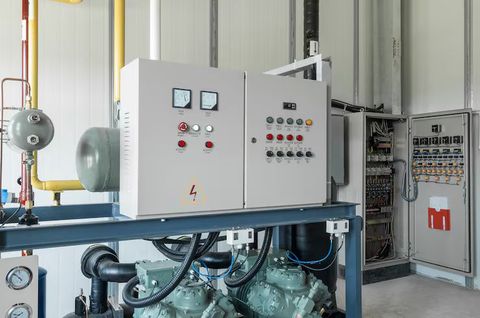
A commercial water chiller operates through several key components working together:
Evaporator
The evaporator absorbs heat from the water. As warm water passes through the evaporator, the refrigerant inside absorbs the heat and begins to evaporate.
Compressor
The compressor increases the pressure of the refrigerant gas, raising its temperature and preparing it for the next stage of the cooling cycle.
Condenser
The condenser releases the collected heat into the surrounding environment. Depending on the system design, this heat may be transferred to air or water.
Expansion Valve
The expansion valve lowers the refrigerant pressure, allowing it to cool before returning to the evaporator and repeating the cycle.
This continuous process allows the system to maintain a consistent water temperature suitable for the intended application.
Common Types of Commercial Water Chillers
Commercial water chillers generally fall into two main categories.
Air-Cooled Chillers
Air-cooled chillers use ambient air to remove heat from the refrigerant. Fans move air across condenser coils, helping dissipate heat.
Characteristics include:
- Easier installation in many locations
- Reduced water usage
- Suitable for outdoor placement
- Lower infrastructure requirements
These systems are often used in office buildings, retail facilities, and smaller industrial applications.
Water-Cooled Chillers
Water-cooled chillers use water to remove heat from the condenser. They are commonly paired with cooling towers.
Characteristics include:
- Effective operation in larger facilities
- Stable performance in varying weather conditions
- Common in large commercial buildings and industrial sites
These systems are frequently used where cooling demands remain high throughout the year.
Industries That Use Commercial Water Chillers
Commercial water chillers support a variety of industries and applications.
Manufacturing
Manufacturing equipment often generates significant heat during operation. Chillers help maintain stable temperatures, supporting product quality and equipment reliability.
Food and Beverage Processing
Temperature control is important throughout food production, packaging, and storage processes. Chillers assist in maintaining appropriate operating conditions.
Healthcare Facilities
Hospitals and medical centers use cooling systems for building climate control and specialized medical equipment.
Data Centers
Servers and information technology equipment produce large amounts of heat. Chillers help maintain temperatures that support reliable operation.
Hospitality and Commercial Buildings
Hotels, shopping centers, educational institutions, and office complexes commonly use chilled water systems for indoor comfort.
Benefits of Commercial Water Chillers
Commercial water chillers provide several advantages when integrated into a cooling strategy.
Consistent Temperature Control
Maintaining a stable temperature is important for many industrial and commercial operations. Chillers provide reliable cooling throughout daily activities.
Equipment Protection
Excess heat can reduce equipment lifespan and affect performance. Cooling systems help manage operating temperatures and reduce thermal stress.
Energy Efficiency Improvements
Modern chillers often incorporate advanced controls, variable-speed technology, and monitoring systems that support efficient operation.
Operational Reliability
Many facilities depend on continuous cooling. Properly maintained chillers contribute to consistent performance and reduced interruptions.
Scalability
Commercial chillers are available in various sizes and configurations, allowing facilities to match cooling capacity with operational requirements.
Factors to Consider When Selecting a Commercial Water Chiller
Choosing an appropriate chiller involves evaluating several factors.
Cooling Capacity
The cooling requirements of a facility determine the capacity needed. Systems should be sized according to expected heat loads.
Installation Environment
Indoor and outdoor conditions influence equipment selection. Climate, available space, and ventilation requirements all play a role.
Energy Consumption
Energy efficiency can influence long-term operating expenses and environmental impact. Comparing efficiency ratings may provide useful insights.
Water Availability
For water-cooled systems, access to water resources and supporting infrastructure is an important consideration.
Future Expansion
Facilities expecting growth may consider cooling systems that can accommodate increased demand over time.
Maintenance and Performance Considerations
Regular maintenance helps commercial water chillers operate effectively and maintain consistent performance.
Common maintenance activities include:
- Inspecting refrigerant levels
- Cleaning heat exchanger surfaces
- Checking pumps and valves
- Monitoring water quality
- Verifying sensor accuracy
- Reviewing system controls
Routine inspections can help identify potential issues before they affect cooling performance.
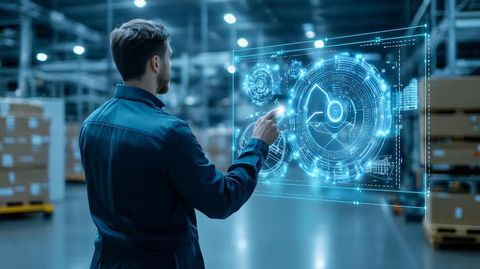
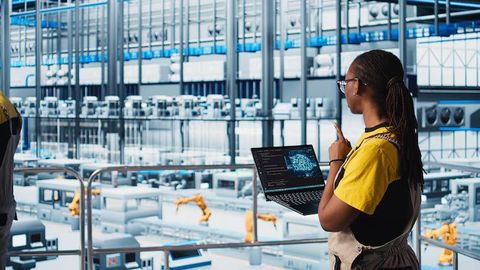
Many modern systems include digital monitoring tools that provide real-time information about operating conditions. These tools can help facility teams track efficiency and identify irregularities.
Environmental Considerations
Environmental sustainability has become an important factor in cooling technology. Manufacturers continue to develop systems that use refrigerants with lower environmental impact and improved energy efficiency.
Several trends are influencing the commercial chiller industry:
- Increased use of smart controls
- Improved energy management features
- Enhanced monitoring capabilities
- More environmentally conscious refrigerants
- Greater integration with building automation systems
These developments support more efficient operation while helping organizations meet sustainability objectives.
Conclusion
Commercial water chillers play a significant role in maintaining temperature control across many industries and commercial environments. By removing heat from water and circulating cooled water where needed, these systems support equipment performance, indoor comfort, and process stability.
Whether used in manufacturing facilities, healthcare environments, data centers, or commercial buildings, water chillers provide a dependable method for managing cooling requirements. Understanding the different types, operating principles, and key considerations can help organizations make informed decisions about cooling infrastructure.
As technology continues to evolve, commercial water chillers are becoming more efficient, intelligent, and environmentally conscious. These advancements are helping facilities manage cooling demands while supporting operational performance and sustainability goals.