Complete Guide to Laboratory Glassware for Beginners
Laboratory glassware plays an important role in scientific work, education, healthcare, manufacturing, and research. Whether in a school science classroom or an advanced laboratory, glass containers and measuring tools help people handle, mix, heat, store, and measure different materials accurately. Many laboratory procedures depend on the correct choice of glassware. Each item is designed for a specific purpose, making experiments more reliable and helping users work safely.
Understanding the different types of laboratory glassware can make scientific activities easier while reducing mistakes.
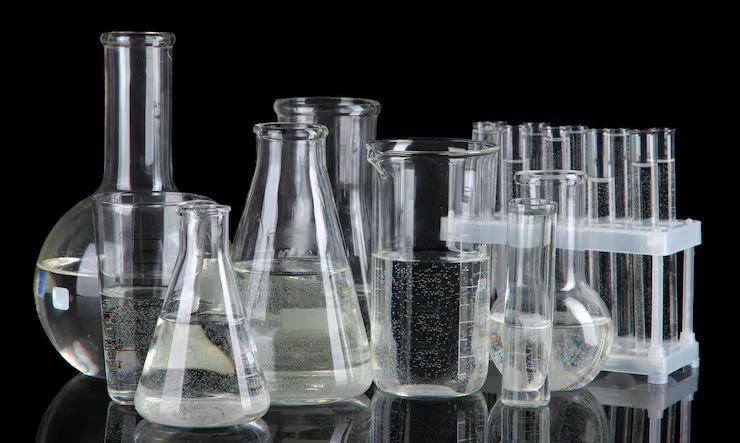
This guide explains common laboratory glassware, its uses, materials, maintenance, and safety practices in simple language for readers with little or no scientific background.
What Is Laboratory Glassware?
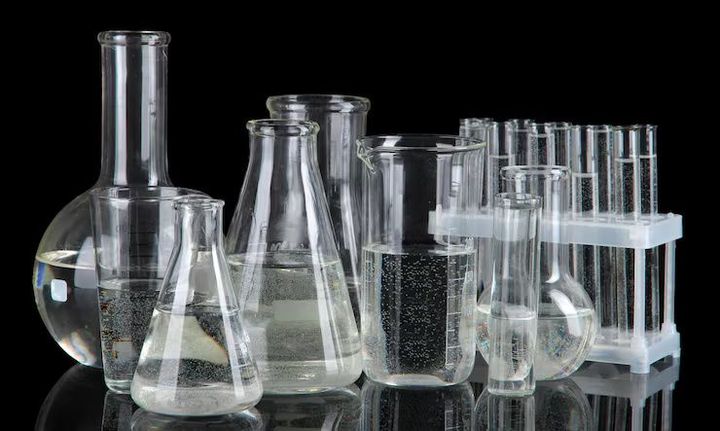
Laboratory glassware refers to glass containers, measuring instruments, and equipment used during scientific experiments and testing. These items are made from specialized glass that can tolerate temperature changes and exposure to many chemicals better than ordinary household glass.
Glass remains widely used because it is transparent, allowing users to observe reactions clearly. It also does not react with many substances, making it suitable for numerous laboratory applications.
Different shapes and sizes are available depending on the purpose of the experiment or procedure.
Why Laboratory Glassware Matters
Using the correct laboratory glassware helps improve accuracy and consistency. Every piece has a specific design that supports a particular task.
Some common reasons laboratory glassware is important include:
- Accurate measurement of liquids
- Safe heating of materials
- Mixing different substances
- Chemical storage
- Observation of reactions
- Sample preparation
- Laboratory organization
Choosing the appropriate glassware also helps reduce contamination and measurement errors.
Common Types of Laboratory Glassware
Many kinds of laboratory glassware are available. Each serves a unique function.
Beakers
Beakers are among the most familiar laboratory containers. They have a wide opening and flat bottom, making them useful for mixing, heating, and holding liquids.
Although beakers often include measurement markings, they are generally used for approximate measurements rather than precise volume calculations.
Typical uses include:
- Mixing solutions
- Heating liquids
- Preparing samples
- Temporary storage
Erlenmeyer Flasks
Erlenmeyer flasks have a cone-shaped body with a narrow neck. Their design helps reduce splashing while swirling liquids.
These flasks are commonly used during chemical reactions and solution preparation.
Advantages include:
- Easy mixing
- Reduced evaporation
- Lower risk of spills
- Suitable for heating
Volumetric Flasks
Volumetric flasks are designed to prepare solutions with very accurate volumes.
Each flask contains a single calibration mark that indicates the exact liquid level required.
They are often used when preparing standard laboratory solutions where measurement accuracy is important.
Graduated Cylinders
Graduated cylinders measure liquid volume more accurately than beakers or flasks.
They feature narrow walls and clearly marked measurement lines, making them suitable for precise liquid measurements.
These cylinders come in different capacities depending on laboratory requirements.
Test Tubes
Test tubes are small cylindrical glass containers used for handling small amounts of liquids or solids.
They are commonly used for:
- Heating samples
- Observing reactions
- Mixing chemicals
- Sample collection
Test tubes are often placed in specially designed racks for safe handling.
Pipettes
Pipettes transfer measured amounts of liquid from one container to another.
Different varieties include:
- Volumetric pipettes
- Graduated pipettes
- Pasteur pipettes
- Micropipettes with disposable tips
Pipettes help improve measurement accuracy during laboratory procedures.
Burettes
Burettes are long graduated tubes equipped with a control valve.
They are mainly used during titration, where liquids must be released slowly and measured carefully.
The valve allows users to control the flow with precision.
Watch Glasses
Watch glasses are shallow circular pieces of glass commonly used for:
- Holding small samples
- Covering beakers
- Evaporating liquids
- Drying materials
They are simple yet useful tools found in many laboratories.
Funnels
Glass funnels assist in transferring liquids into narrow containers.
When combined with filter paper, they also help separate solids from liquids through filtration.
Glass Stirring Rods
Glass rods are used to stir solutions without reacting with most chemicals.
They also assist in pouring liquids smoothly, reducing spills during transfers.
Materials Used in Laboratory Glassware
Not all laboratory glassware is made from the same type of glass. Different materials provide different performance characteristics.
Borosilicate Glass
Borosilicate glass is commonly used because it withstands rapid temperature changes and many chemical exposures.
Its durability makes it suitable for heating applications and repeated laboratory use.
Soda-Lime Glass
Soda-lime glass is suitable for general laboratory tasks that do not involve sudden heating or cooling.
It is commonly used for storage containers and disposable laboratory items.
Quartz Glass
Quartz glass can tolerate extremely high temperatures and allows ultraviolet light to pass through.
It is used in specialized scientific applications requiring unique optical or thermal properties.
How Laboratory Glassware Is Used
Laboratory glassware supports many scientific activities across different industries.
Examples include:
- Educational science laboratories
- Medical laboratories
- Pharmaceutical manufacturing
- Food quality testing
- Environmental analysis
- Biotechnology
- Chemical research
- Industrial production
Each environment may use different combinations of glassware depending on its work.
Choosing the Right Laboratory Glassware
Selecting appropriate laboratory glassware depends on several factors.
Consider the following:
Purpose
Determine whether the glassware will measure, mix, heat, store, or transfer materials.
Measurement Accuracy
Graduated cylinders, burettes, pipettes, and volumetric flasks provide higher measurement precision than general-purpose containers.
Temperature Requirements
Experiments involving heat often require borosilicate glass because it tolerates thermal changes more effectively.
Chemical Compatibility
Some chemicals require glass with higher resistance to corrosion or chemical reactions.
Capacity
Choose a container that comfortably holds the required volume without excessive space or overflow.
Cleaning Laboratory Glassware
Clean laboratory glassware helps maintain accurate experimental results.
General cleaning steps include:
- Empty all remaining materials.
- Rinse immediately after use.
- Wash using laboratory detergent.
- Use soft cleaning brushes when needed.
- Rinse thoroughly with clean water.
- Allow items to dry completely before storage.
Residues left inside glassware may interfere with future experiments.
Safe Handling Practices
Although laboratory glassware is durable, careful handling remains important.
Follow these safety practices:
- Inspect glassware before each use.
- Do not use cracked or chipped items.
- Handle hot glass using appropriate protective equipment.
- Avoid sudden temperature changes.
- Store glassware securely.
- Use racks for test tubes and drying.
- Carry larger containers with both hands when appropriate.
Simple precautions help reduce accidental breakage.
Proper Storage
Correct storage extends the useful life of laboratory glassware.
Helpful practices include:
- Store clean, dry glassware.
- Arrange items according to size.
- Avoid stacking delicate pieces unnecessarily.
- Keep frequently used items within easy reach.
- Protect fragile equipment from impact.
An organized laboratory also improves efficiency during experiments.
Common Mistakes to Avoid
Even experienced laboratory users occasionally make avoidable mistakes.
Some examples include:
- Using measuring beakers for highly accurate measurements
- Heating unsuitable glass
- Ignoring small cracks
- Mixing incompatible chemicals
- Overfilling containers
- Using dirty glassware
- Applying excessive force during cleaning
Avoiding these habits supports safer and more reliable laboratory work.
Advantages of Laboratory Glassware
Laboratory glassware continues to be widely used because it provides several practical benefits.
These include:
- Clear visibility during experiments
- Good chemical resistance
- Suitable for heating in many situations
- Reusable with proper care
- Available in many shapes and sizes
- Supports accurate laboratory procedures
These characteristics make glassware suitable for educational, medical, industrial, and scientific environments.
Conclusion
Laboratory glassware forms the foundation of countless scientific procedures. From simple classroom demonstrations to advanced industrial testing, each piece serves a specific purpose that contributes to accurate observations and reliable results.
Understanding the different types of laboratory glassware, their uses, appropriate materials, and safe handling practices helps users work more confidently and efficiently. Regular cleaning, careful storage, and proper selection of equipment also improve laboratory organization while reducing the risk of contamination or damage.
Whether measuring liquids, preparing solutions, heating samples, or storing materials, choosing the right laboratory glassware remains an important part of successful laboratory work.