Understanding Lab Supplies: Equipment, Uses, and Safety Tips
Laboratories play an important role in education, healthcare, manufacturing, environmental studies, and scientific research. Whether a laboratory is used for classroom experiments, quality testing, or advanced scientific work, having the right lab supplies helps create an organized and efficient workspace. Lab supplies include a wide variety of equipment, containers, measuring tools, protective items, and chemicals used during experiments and testing.
Each item has a specific purpose and contributes to accurate observations, safer handling, and consistent results.
This guide explains the different types of lab supplies, their common uses, important selection factors, maintenance practices, and safety considerations in simple language for readers who are new to the topic.
What Are Lab Supplies?
Lab supplies are the tools, materials, and equipment used in laboratories to perform experiments, measurements, sample preparation, testing, and analysis. Some supplies are reusable, while others are intended for single use to help maintain cleanliness and reduce contamination.
Laboratories may require different supplies depending on their purpose, but many basic items are found in nearly every laboratory environment.
Common Types of Lab Supplies
Laboratories rely on many categories of supplies. Understanding these categories makes it easier to recognize how each item contributes to daily laboratory activities.
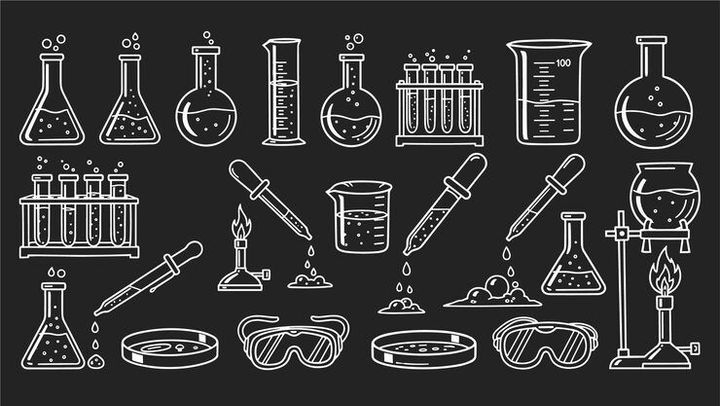
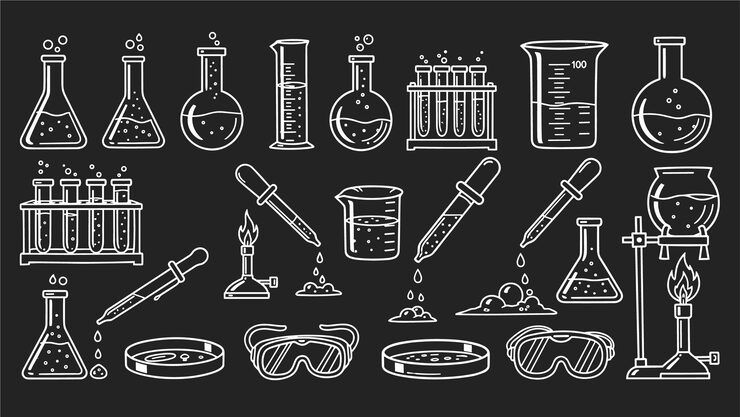
Glassware
Glassware is commonly used because it can withstand many chemicals and high temperatures.
Examples include:
- Beakers
- Test tubes
- Flasks
- Graduated cylinders
- Pipettes
- Funnels
- Watch glasses
These items are often used for mixing, heating, measuring, and transferring liquids.
Plastic Laboratory Items
Plastic supplies are lightweight and suitable for many routine laboratory tasks.
Common examples include:
- Sample containers
- Disposable pipettes
- Centrifuge tubes
- Storage bottles
- Measuring cups
- Microplates
Plastic equipment is widely used when convenience and contamination control are important.
Measuring Equipment
Accurate measurements are essential during laboratory work.
Frequently used measuring supplies include:
- Laboratory balances
- Thermometers
- Digital timers
- Measuring cylinders
- Volumetric flasks
- Micropipettes
These instruments help improve consistency during testing and experimentation.
Laboratory Safety Equipment
Safety equipment helps reduce risks while working with chemicals, biological materials, and heated equipment.
Examples include:
- Safety goggles
- Laboratory gloves
- Face shields
- Protective lab coats
- Chemical-resistant aprons
- Spill kits
- Fire extinguishers
- Eyewash stations
Using appropriate protective equipment supports a safer laboratory environment.
Storage Supplies
Proper storage keeps materials organized and protects samples from contamination.
Common storage items include:
- Storage racks
- Chemical bottles
- Label containers
- Sample boxes
- Refrigerated storage units
- Sealed containers
Clear labeling also helps identify materials quickly.
Essential Lab Supplies Used Every Day
Some laboratory supplies are used almost every day regardless of the laboratory type.
These include:
| Lab Supply | Common Purpose |
|---|---|
| Beaker | Mixing liquids |
| Test Tube | Holding small samples |
| Pipette | Transferring liquids |
| Graduated Cylinder | Measuring liquid volume |
| Laboratory Balance | Measuring weight |
| Funnel | Pouring liquids safely |
| Petri Dish | Growing microorganisms |
| Microscope Slides | Viewing samples |
| Forceps | Handling small objects |
| Gloves | Hand protection |
These everyday supplies form the foundation of many laboratory procedures.
How Lab Supplies Support Different Industries
Lab supplies are used in many industries beyond scientific research.
Healthcare Laboratories
Medical laboratories use supplies for blood testing, diagnostic procedures, and sample preparation.
Typical items include:
- Test tubes
- Sample containers
- Pipettes
- Centrifuge tubes
- Protective clothing
Educational Laboratories
Schools and universities use laboratory supplies to help students understand scientific concepts through practical experiments.
Common classroom supplies include:
- Beakers
- Measuring cylinders
- Safety goggles
- Bunsen burners
- Glass rods
Manufacturing Laboratories
Manufacturing facilities often conduct quality testing on raw materials and finished products.
Lab supplies support:
- Material analysis
- Product testing
- Quality inspection
- Sample collection
Environmental Testing
Environmental laboratories analyze water, soil, and air samples.
Frequently used supplies include:
- Collection bottles
- Sample containers
- Filtration equipment
- Measuring instruments
Factors to Consider When Choosing Lab Supplies
Different laboratories have different requirements. Several practical factors can help determine which supplies are appropriate.
Material Compatibility
Some chemicals react with certain materials. Choosing compatible glass, plastic, or metal equipment helps avoid unwanted reactions.
Measurement Accuracy
Experiments often require precise measurements. Equipment designed for accurate readings supports reliable laboratory work.
Durability
Laboratories with frequent daily use may prefer supplies made from durable materials that withstand repeated cleaning and handling.
Ease of Cleaning
Reusable equipment should be easy to clean to reduce contamination between experiments.
Safety Standards
Protective equipment and laboratory tools should meet recognized safety standards suitable for their intended applications.
Maintaining Lab Supplies
Proper maintenance helps laboratory equipment remain clean and ready for future use.
Helpful maintenance practices include:
- Clean equipment after each use.
- Store glassware carefully to prevent breakage.
- Inspect measuring instruments regularly.
- Replace damaged protective equipment.
- Keep storage areas organized.
- Label containers clearly.
- Follow recommended cleaning procedures.
Routine care also reduces unnecessary waste and supports efficient laboratory operations.
Laboratory Safety Tips
Working safely is an important part of every laboratory activity.
Some useful safety practices include:
- Wear appropriate protective clothing.
- Read labels carefully before handling materials.
- Keep workstations clean.
- Handle glassware gently.
- Store chemicals correctly.
- Dispose of laboratory waste according to local guidelines.
- Report damaged equipment promptly.
- Avoid eating or drinking inside laboratory areas.
Simple habits like these help reduce accidents and maintain a safer working environment.
Emerging Trends in Lab Supplies
Laboratories continue to adopt new technologies that improve efficiency and organization.
Some current developments include:
- Digital measuring instruments
- Automated liquid handling equipment
- Smart laboratory inventory systems
- Environmentally conscious disposable materials
- Barcode sample tracking
- Electronic record management
These developments help laboratories manage equipment and samples more effectively while improving workflow.
Conclusion
Lab supplies are an essential part of laboratory work across education, healthcare, manufacturing, environmental science, and research. From basic glassware and measuring instruments to protective equipment and storage containers, every item plays a role in supporting organized and accurate laboratory activities.
Understanding the different categories of lab supplies, their applications, proper maintenance, and safety practices helps create a well-prepared laboratory environment. Whether someone is learning about laboratories for the first time or becoming familiar with laboratory equipment, knowing the purpose of these supplies provides a strong foundation for safe and effective laboratory work.