Complete Guide to Lifting Equipment: Learn Basics and Applications
Lifting equipment plays a critical role in industries where heavy materials must be moved safely and efficiently. From construction sites to warehouses, these tools help reduce manual effort and improve productivity. Understanding how lifting equipment works is essential for maintaining safety standards and ensuring smooth operations.
This guide explains the basics, types, applications, and safety considerations of lifting equipment. Whether you are a beginner or looking to refresh your knowledge, this overview will help you build a strong foundation.
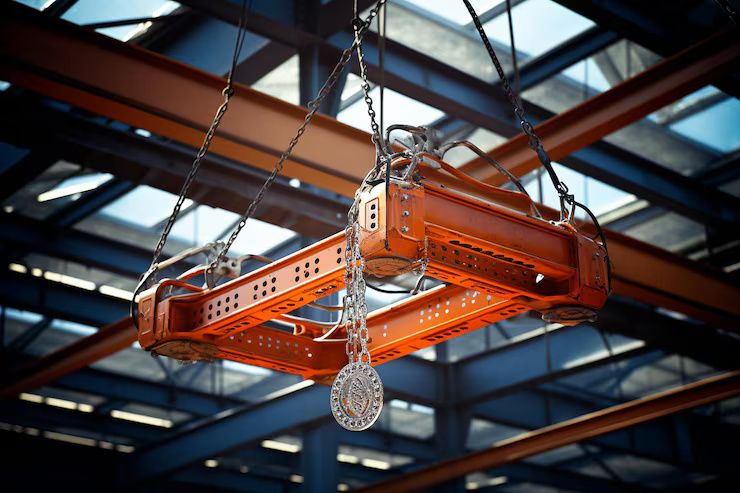
What Is Lifting Equipment?
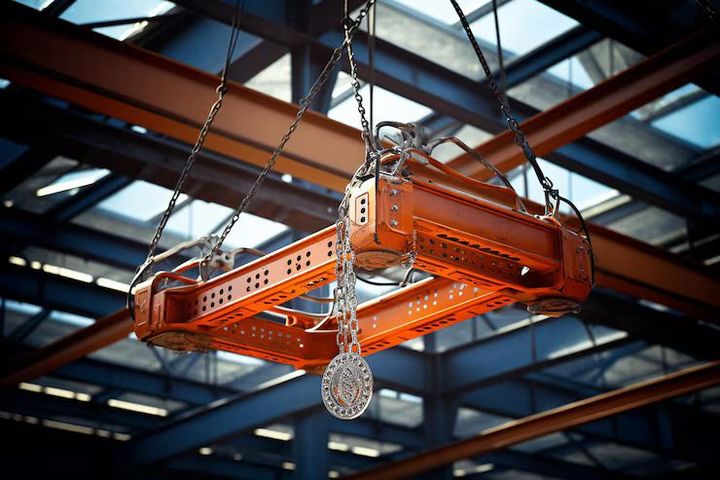
Lifting equipment refers to machines, tools, and devices used to raise, lower, or move heavy loads. These tools are designed to handle weight safely while minimizing the risk of injury or damage.
They are commonly used in industries such as construction, manufacturing, logistics, and shipping. The equipment ranges from simple manual tools to advanced mechanical systems powered by electricity or hydraulics.
Key Components of Lifting Equipment
Most lifting systems share common components that ensure proper functioning:
- Load-bearing structure that supports weight
- Lifting mechanism such as chains, ropes, or hydraulics
- Control system for operation
- Safety features like brakes and overload protection
Understanding these components helps in choosing the right equipment for specific tasks.
Types of Lifting Equipment
There are many types of lifting equipment, each designed for different applications. Choosing the correct type depends on the load, environment, and frequency of use.
Manual Lifting Equipment
Manual tools are simple and do not require power sources. They are suitable for lighter loads and smaller operations.
- Chain blocks
- Lever hoists
- Hand winches
- Jacks
These tools are easy to use and maintain, making them ideal for basic lifting needs.
Mechanical and Powered Equipment
Powered equipment is designed for heavier loads and more complex operations. These machines improve efficiency and reduce physical strain.
- Cranes
- Electric hoists
- Forklifts
- Hydraulic lifts
They are commonly used in large-scale industrial environments where frequent lifting is required.
Specialized Lifting Tools
Some equipment is designed for specific tasks or industries:
- Vacuum lifters for glass handling
- Magnetic lifters for metal sheets
- Scissor lifts for vertical elevation
These tools enhance precision and safety in specialized operations.
Common Applications of Lifting Equipment
Lifting equipment is used across a wide range of industries. Each application requires specific tools and techniques to ensure efficiency and safety.
Construction Industry
In construction, lifting equipment is essential for moving heavy materials such as steel beams, concrete blocks, and machinery. Cranes and hoists are widely used to handle large loads at height.
Warehousing and Logistics
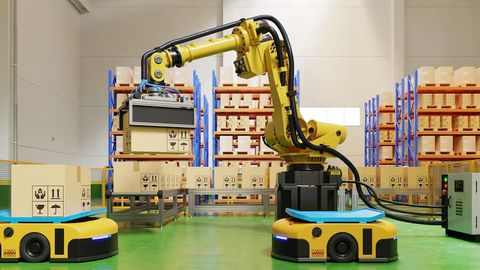
Warehouses rely on lifting equipment to manage inventory and transport goods. Forklifts and pallet jacks are commonly used to move items quickly and safely.
Manufacturing Sector
Manufacturing facilities use lifting equipment to handle raw materials and finished products. This helps streamline production processes and reduce manual labor.
Shipping and Ports
Ports and shipping yards use heavy-duty cranes and lifting systems to load and unload cargo containers. These operations require high precision and reliability.
Advantages of Using Lifting Equipment
Using lifting equipment offers several benefits that improve both productivity and safety in the workplace.
- Reduces physical strain on workers
- Increases efficiency and speed of operations
- Minimizes risk of injury
- Enables handling of heavy and bulky loads
- Improves accuracy in material placement
These advantages make lifting equipment an essential part of modern industrial operations.
Safety Guidelines for Lifting Equipment
Safety is a key concern when working with lifting equipment. Improper use can lead to accidents and damage. Following proper guidelines helps prevent risks.
Basic Safety Practices
- Inspect equipment before use
- Ensure load limits are not exceeded
- Use proper lifting techniques
- Maintain clear communication during operations
- Keep work areas organized
Maintenance and Inspection
Regular maintenance ensures that lifting equipment remains in good condition. Inspections should be carried out periodically to identify wear and tear.
Training and Awareness
Operators should be trained to handle equipment safely. Understanding how each tool works reduces the chances of misuse and accidents.
Choosing the Right Lifting Equipment
Selecting the right equipment is important for efficiency and safety. Several factors should be considered before making a decision.
Key Factors to Consider
- Weight and size of the load
- Frequency of use
- Working environment
- Required lifting height
- Type of material being handled
Choosing appropriate equipment helps improve performance and reduces risks.
Comparison of Common Lifting Equipment
| Equipment Type | Suitable Load Range | Power Source | Common Use Case |
|---|---|---|---|
| Chain Block | Light to Medium | Manual | Small workshops |
| Electric Hoist | Medium to Heavy | كهربائي | Factories and warehouses |
| Crane | Heavy | Mechanical | Construction sites |
| Forklift | Medium to Heavy | Fuel/Electric | Warehousing and logistics |
| Hydraulic Lift | Medium | Hydraulic | Maintenance and repair |
This table provides a quick overview to help understand where each type of equipment fits best.
Future Trends in Lifting Equipment
The lifting equipment industry continues to evolve with advancements in technology. Modern systems are becoming more efficient, safer, and easier to operate.
Automation and Smart Systems
Automation is transforming how lifting equipment is used. Smart systems can monitor loads, detect issues, and improve precision.
Eco-Friendly Solutions
Energy-efficient equipment is gaining popularity as industries focus on sustainability. Electric-powered machines are replacing traditional fuel-based systems.
Improved Safety Features
Advanced safety mechanisms such as sensors, alarms, and remote controls are being integrated into lifting equipment. These features help reduce human error and enhance operational safety.
Conclusion
Lifting equipment is an essential part of many industries, enabling safe and efficient handling of heavy loads. Understanding the basics, types, and applications helps in making informed decisions and maintaining workplace safety.
By following proper safety guidelines and choosing the right equipment, organizations can improve productivity and reduce risks. As technology continues to advance, lifting equipment will become even more efficient and reliable, supporting the growing demands of modern industries.