Comprehensive vs Collision Coverage Guide: Explore the Key Differences and Important Insurance Facts
Understanding the difference between comprehensive and collision coverage is an important part of learning about auto insurance. Both types of coverage can help protect a vehicle against different forms of physical damage, but they apply to different situations.
Knowing how each works can help drivers understand their insurance policies and make informed decisions.
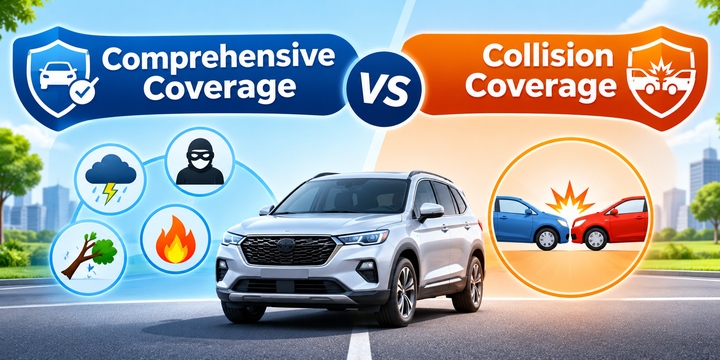
Comprehensive coverage generally applies to damage caused by events other than collisions, while collision coverage focuses on damage resulting from accidents involving another vehicle or an object. This guide explores comprehensive vs collision coverage, important insurance facts, policy considerations, recent developments, and useful resources for understanding vehicle protection.
Context – Understanding Comprehensive vs Collision Coverage
Comprehensive and collision coverage are two common forms of optional physical damage protection in the United States. They are generally added to an auto insurance policy alongside liability coverage.
Although they are often discussed together, they protect against different types of incidents.
What Is Comprehensive Coverage?
Comprehensive coverage helps protect an insured vehicle against certain types of damage that do not result from a collision. It is sometimes called coverage for non-collision incidents.
Common examples include:
Theft of the insured vehicle.
Damage caused by hail, storms, or falling objects.
Fire and certain natural disasters.
Vandalism and malicious damage.
Contact with animals, such as deer.
Damage caused by flooding, subject to policy terms.
Comprehensive coverage usually includes a deductible. This is the amount the policyholder must pay toward an eligible claim before the insurer pays the remaining covered amount, subject to policy limits and conditions.
What Is Collision Coverage?
Collision coverage generally applies when an insured vehicle is damaged after colliding with another vehicle or an object.
Examples include:
Hitting another vehicle.
Colliding with a wall, fence, or building.
Striking a tree or roadside barrier.
A single-vehicle accident involving a rollover.
Vehicle damage caused by hitting a stationary object.
Collision coverage can apply regardless of who caused the accident, depending on the policy terms. However, it does not replace liability coverage, which addresses certain injuries or property damage suffered by other parties.
Importance – Why These Coverage Types Matter
Understanding comprehensive vs collision coverage matters because vehicle damage can happen in several ways. A driver who understands the differences can better evaluate the protection included in an insurance policy.
Comprehensive coverage may be particularly relevant for vehicles exposed to severe weather, theft, vandalism, or environmental hazards. Collision coverage may be important for drivers who regularly travel through busy roads, urban areas, or locations with challenging driving conditions.
These coverage types can also matter to people who finance or lease vehicles. Lenders and leasing companies commonly require both comprehensive and collision coverage to protect their financial interest in the vehicle.
Several factors influence whether these protections are appropriate:
Vehicle age and current market value.
Driving frequency and road conditions.
Local weather and environmental risks.
Available savings for unexpected repairs.
Deductible amounts and policy limits.
Loan or lease agreement requirements.
A vehicle's value is particularly important. If the vehicle's market value becomes relatively low, the potential insurance payment after a covered incident may be limited compared with the deductible and premium paid over time.
Recent Updates – Trends and Developments in Auto Insurance
The auto insurance industry continues to change as vehicle technology, repair methods, weather patterns, and driving habits evolve. These developments influence how insurers assess vehicle damage and handle comprehensive and collision claims.
Some important developments include:
Advanced vehicle technology: Modern vehicles contain cameras, sensors, driver-assistance systems, and electronic components. Repairs following collisions may require specialized equipment and calibration.
Weather-related claims: Hailstorms, floods, hurricanes, and other severe weather events can influence comprehensive insurance claims.
Vehicle theft prevention: Improved security systems and vehicle tracking technology are changing the way insurers evaluate theft-related risks.
Usage-based insurance: Some insurers use telematics technology to assess driving patterns, mileage, braking behavior, and other driving information.
Digital claim processing: Online claim submissions, digital photographs, automated assessments, and virtual inspections are increasingly used in insurance processes.
According to the Insurance Information Institute, 4.16% of collision policyholders and 3.95% of comprehensive policyholders filed claims in 2024. The average collision claim was $5,489, compared with $2,306 for comprehensive claims. These figures illustrate differences in historical claim patterns, although individual experiences vary.
Industry reporting also identifies changing weather patterns and vehicle theft activity as important factors behind fluctuations in comprehensive claims.
Laws or Policies – Understanding Insurance Requirements
Auto insurance regulations in the United States vary by state. Drivers should understand the difference between legally required insurance and additional protection included in their individual policies.
Most states require drivers to maintain minimum liability coverage. This generally addresses bodily injury and property damage caused to other people in qualifying accidents.
However, comprehensive and collision coverage are generally not required by state law. They are optional physical damage protections for vehicle owners.
There is an important exception involving financing and leasing arrangements. Lenders and leasing companies commonly require both coverage types while they have a financial interest in the vehicle.
Important policy considerations include:
State minimum liability insurance requirements.
Deductible amounts for comprehensive and collision claims.
Coverage exclusions and policy limitations.
Vehicle valuation and settlement procedures.
Requirements included in loan or lease agreements.
State rules concerning claim investigations and settlements.
The National Association of Insurance Commissioners explains that state insurance laws differ and that physical damage coverage may be required by lenders even though it is not generally mandated by state law.
Understanding Deductibles and Claim Payments
A deductible is the amount a policyholder is responsible for paying toward an eligible claim.
For example, if a covered repair amounts to $3,000 and the deductible is $500, the insurer may pay $2,500, assuming the full repair amount is approved and no other policy limitation applies.
Insurance factor | Comprehensive | Collision |
|---|---|---|
Main protection | Non-collision damage | Accident-related damage |
Theft | Generally covered | Not generally covered |
Hail damage | Generally covered | Not generally covered |
Vehicle rollover | Not generally covered | Generally covered |
Animal impact | Generally covered | Generally covered only when the incident qualifies as a collision under the policy |
Deductible | Usually applies | Usually applies |
Required by state law | Generally no | Generally no |
Actual coverage depends on the wording, exclusions, and conditions of the insurance policy. Drivers should review their documents rather than rely entirely on general descriptions.
Tools and Resources – Useful Insurance Information
Several reliable resources can help drivers understand comprehensive vs collision coverage and review their insurance options.
Useful resources include:
National Association of Insurance Commissioners (NAIC): Provides consumer education about auto insurance, coverage types, and state insurance regulations.
Insurance Information Institute (Triple-I): Publishes educational material and statistics about vehicle insurance and claims.
State Department of Insurance: Provides information about local insurance requirements, consumer protections, and complaint procedures.
Insurance policy documents: Explain deductibles, covered incidents, exclusions, claim procedures, and policy limits.
Vehicle valuation tools: Help estimate a vehicle's current market value when reviewing physical damage protection.
Drivers can also use an insurance coverage calculator or comparison worksheet to organize important information.
A basic comparison should include the following details:
Annual comprehensive premium.
Annual collision premium.
Separate deductibles.
Current vehicle market value.
Outstanding vehicle loan balance.
Available emergency savings.
Comparing these details can help vehicle owners understand the financial implications of different coverage arrangements.
FAQs – Comprehensive vs Collision Coverage
1. What is the main difference between comprehensive and collision coverage?
Comprehensive coverage generally protects against non-collision incidents, such as theft, fire, hail, flooding, and vandalism. Collision coverage generally protects against damage caused by hitting another vehicle or object.
2. Is comprehensive coverage required by law?
Generally, no. Most US states do not legally require comprehensive coverage. However, a lender or leasing company may require it as part of a financing or leasing agreement.
3. Does collision coverage protect against vehicle theft?
No. Vehicle theft generally falls under comprehensive coverage. Collision coverage is designed for qualifying accident-related vehicle damage.
4. Can drivers have both comprehensive and collision coverage?
Yes. Drivers can include both protections in the same auto insurance policy. Having both provides broader protection against different types of physical damage, subject to policy conditions.
5. How should drivers choose a deductible?
Drivers should consider their financial situation, vehicle value, insurance premium, and ability to pay for unexpected repairs. A higher deductible generally reduces the premium but increases the amount the policyholder must contribute when making an eligible claim.
Conclusion – Making Informed Auto Insurance Decisions
Comprehensive vs collision coverage involves two different types of vehicle protection. Comprehensive coverage generally addresses non-collision damage, while collision coverage addresses qualifying accident-related damage. Both can help protect vehicle owners from unexpected financial losses.
Understanding deductibles, policy exclusions, vehicle values, and insurance regulations is important when reviewing auto insurance arrangements. The right combination depends on individual driving circumstances and financial priorities.
Drivers should regularly review their insurance documents and check whether their existing protection meets their needs. Understanding these insurance facts can support better financial planning and more informed vehicle ownership decisions.