Construction Machinery Manufacturer: Insights into Modern Construction Technology
Construction machinery manufacturers play an important role in the development of modern infrastructure. They design and produce equipment used in construction projects such as roads, bridges, airports, railways, commercial buildings, and residential developments. As construction technology continues to evolve, machinery is becoming more efficient, safer, and increasingly connected through digital systems.
Modern construction machinery combines mechanical engineering with automation, sensors, artificial intelligence, and data analysis. These advancements help construction companies improve productivity, monitor equipment performance, and support sustainable building practices. Understanding how a construction machinery manufacturer contributes to the industry provides valuable knowledge for students, engineers, project planners, and anyone interested in construction technology.
Context – Understanding Construction Machinery Manufacturers
A construction machinery manufacturer is a company that develops and produces equipment designed for construction, earthmoving, material handling, road building, demolition, and mining applications. These manufacturers invest in engineering, research, testing, and quality control to ensure machinery performs reliably under demanding working conditions.
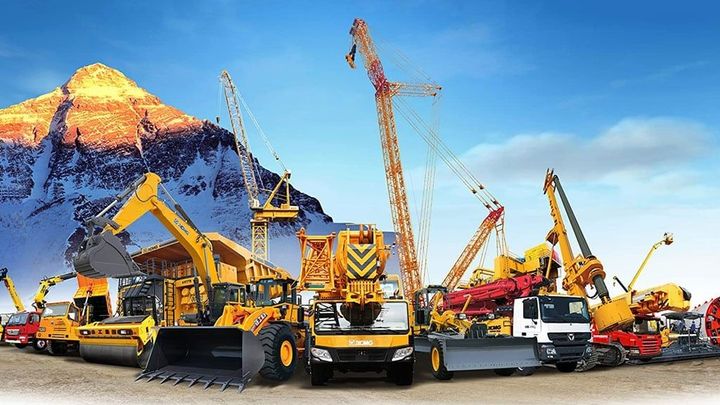
Common types of construction machinery include:
- Excavators
- Bulldozers
- Wheel loaders
- Backhoe loaders
- Motor graders
- Cranes
- Dump trucks
- Asphalt pavers
- Rollers
- Concrete equipment
Construction machinery has evolved significantly over the past several decades. Early machines relied almost entirely on mechanical systems, while modern equipment includes electronic controls, GPS guidance, telematics, and automated operating functions.
Common Machinery Categories
| Equipment Type | Primary Purpose | Common Applications |
|---|---|---|
| Excavator | Digging and excavation | Foundations, trenches |
| Bulldozer | Earthmoving | Land clearing, grading |
| Wheel Loader | Material loading | Construction sites |
| Crane | Heavy lifting | High-rise construction |
| Road Roller | Surface compaction | Highway construction |
| Motor Grader | Surface leveling | Road maintenance |
Importance – Why It Matters
Construction machinery manufacturers influence nearly every infrastructure project around the world. Reliable equipment helps complete projects more efficiently while supporting worker safety and environmental objectives.
The construction industry depends on advanced machinery for activities that would otherwise require significant manual labor. Modern equipment can perform complex tasks with greater precision, reducing delays and improving overall project planning.
Construction machinery also benefits multiple sectors, including:
- Transportation infrastructure
- Urban development
- Energy projects
- Water management
- Agriculture
- Mining
- Industrial construction
Benefits of Modern Construction Technology
Modern construction technology provides several advantages:
- Improved operational efficiency
- Better fuel management
- Enhanced equipment monitoring
- Reduced maintenance downtime
- Increased workplace safety
- Higher accuracy through digital positioning
- Better environmental performance through lower emissions
Manufacturers also support innovation by integrating digital technologies that assist operators and fleet managers in monitoring equipment performance and maintenance schedules.
Recent Updates – Trends and Developments from 2024–2026
Between 2024 and 2026, construction machinery manufacturers have continued introducing advanced technologies focused on automation, sustainability, and digital connectivity.
One significant trend is the expansion of electric and hybrid construction machinery. These machines help reduce emissions and are increasingly used in urban construction projects where environmental regulations are becoming stricter.
Another important development is the wider use of telematics. Connected equipment can transmit operational information, allowing project managers to monitor machine health, fuel consumption, operating hours, and maintenance requirements from remote locations.
Artificial intelligence is also becoming more common in construction technology. AI assists with predictive maintenance, equipment diagnostics, and productivity analysis by identifying patterns in machine performance.
Other industry developments include:
- Semi-autonomous machine operation
- Improved GPS machine guidance
- Advanced operator assistance systems
- Digital fleet management platforms
- Remote diagnostics
- Smart hydraulic control systems
- Greater use of Building Information Modeling (BIM) integration
- Increased focus on recyclable machine components
Manufacturers are also improving cabin ergonomics, visibility, and digital displays to support safer and more comfortable operation during long working hours.
Laws or Policies – Regulations and Industry Standards
Construction machinery manufacturers operate within various national and international regulations designed to improve safety, environmental protection, and equipment quality.
Many countries require machinery to meet emissions standards that regulate engine pollutants. Manufacturers continue developing cleaner engines and alternative power systems to comply with changing environmental requirements.
Worker safety regulations often require construction equipment to include protective structures, emergency shutdown systems, warning devices, lighting, and visibility improvements.
International standards also influence machinery design by addressing:
- Equipment safety
- Hydraulic systems
- Electrical systems
- Noise reduction
- Operator protection
- Machine stability
- Testing procedures
Governments may also encourage the adoption of cleaner technologies through environmental policies that support lower-emission equipment and sustainable infrastructure development.
Construction companies are generally responsible for following local workplace safety regulations, conducting equipment inspections, and ensuring operators receive appropriate training before using machinery.
Tools and Resources
Several organizations and digital resources provide valuable information about construction machinery, safety standards, and construction technology.
Useful resources include:
- International Organization for Standardization (ISO) standards for construction equipment
- Occupational safety guidance from national workplace safety authorities
- Building Information Modeling (BIM) platforms
- Geographic Information System (GIS) mapping tools
- Fleet management software
- Equipment maintenance scheduling platforms
- Fuel efficiency calculators
- Construction project planning templates
- Digital inspection checklists
- Technical manuals provided by equipment manufacturers
Project managers also use digital dashboards that combine telematics, maintenance records, equipment utilization, and project schedules into one system for improved decision-making.
Many educational institutions and engineering organizations publish technical documents that explain construction machinery operation, equipment selection, and modern construction technology.
FAQs
What does a construction machinery manufacturer do?
A construction machinery manufacturer designs, develops, tests, and produces equipment used in construction, earthmoving, material handling, road building, and infrastructure projects.
How has construction technology changed in recent years?
Modern construction technology now includes automation, GPS guidance, artificial intelligence, telematics, digital monitoring, and electric equipment that improve efficiency, safety, and environmental performance.
Why is telematics important in construction machinery?
Telematics allows equipment to transmit operational data, helping project managers monitor machine health, maintenance schedules, fuel usage, and equipment utilization remotely.
What types of construction projects use heavy machinery?
Heavy machinery is used in road construction, bridge development, residential projects, commercial buildings, mining, airports, railways, industrial facilities, and utility infrastructure.
How do manufacturers support sustainable construction?
Manufacturers are developing electric and hybrid equipment, cleaner engines, improved fuel efficiency, recyclable components, and digital technologies that reduce emissions and improve operational efficiency.
Conclusion
Construction machinery manufacturers remain an essential part of modern infrastructure development by producing equipment that supports construction projects across many industries. Advances in automation, digital monitoring, artificial intelligence, and sustainable engineering continue to reshape how machinery is designed and operated.
As construction technology evolves, manufacturers are focusing on safer equipment, improved productivity, and lower environmental impact. These developments help construction professionals complete projects more efficiently while adapting to changing regulations and technological advancements.
Understanding the role of a construction machinery manufacturer provides valuable insight into the future of infrastructure development. Ongoing innovation, responsible engineering, and digital transformation will continue influencing construction technology in the years ahead.
Continuous improvements in machinery design and smart construction solutions are expected to support more efficient, data-driven, and environmentally conscious construction practices worldwide.