Global Machinery Manufacturers Guide: Explore Industrial Equipment and Advanced Manufacturing Technology
Global machinery manufacturers play an important role in producing the equipment used in factories, construction, agriculture, transportation, energy, and food processing.
Their technologies help industries manufacture products, handle materials, maintain infrastructure, and improve production processes.
Understanding global machinery manufacturers provides useful insights into industrial equipment, advanced manufacturing technology, automation, and international production networks. This guide explains the industry's background, importance, recent developments, relevant regulations, and practical resources for learning about industrial machinery.
Context – Understanding Global Machinery Manufacturers
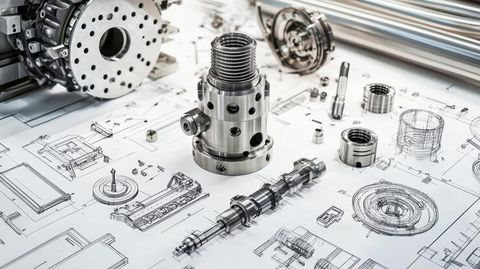
Global machinery manufacturers are companies that design and produce machines, mechanical systems, industrial equipment, and production technologies for different industries. Their products range from basic mechanical tools to sophisticated automated systems controlled by software, sensors, and computer networks.
The machinery industry developed alongside industrialization, when mechanized equipment began replacing many manual production activities. Over time, improvements in engineering, electricity, electronics, and computing transformed traditional machines into connected and highly automated systems.
Today, manufacturers operate across international supply chains. Components may be produced in one country, assembled in another, and integrated into production facilities elsewhere. This international structure allows industries to access different engineering capabilities, specialized materials, and manufacturing technologies.
Common categories of industrial machinery include:
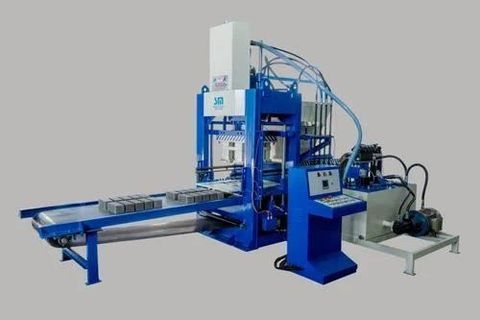
Manufacturing equipment, such as CNC machines, industrial robots, and assembly systems.
Construction machinery, including excavators, cranes, and road-building equipment.
Agricultural machinery, such as tractors, harvesters, and irrigation equipment.
Food processing machinery used for mixing, filling, packaging, and preservation.
Energy equipment, including turbines, compressors, pumps, and power generation systems.
Material-handling equipment, such as conveyors, forklifts, and automated storage systems.
Each category addresses specific operational requirements. Selecting suitable machinery depends on production needs, working conditions, technical specifications, safety requirements, and the availability of maintenance expertise.
Importance – Why the Machinery Industry Matters
Global machinery manufacturers support industrial productivity and the development of essential infrastructure. Their equipment helps organizations produce goods consistently, move materials efficiently, and carry out technically demanding operations.
Machinery also influences product quality, workplace safety, energy consumption, and production reliability. For example, automated inspection systems can identify manufacturing defects, while precision machine tools help maintain consistent dimensions in engineered components.
The industry's importance extends to several groups:
Manufacturers use machinery to maintain production schedules and quality standards.
Construction companies depend on heavy equipment for buildings, roads, and infrastructure.
Farmers use mechanized equipment for planting, harvesting, and other agricultural activities.
Engineers and technicians develop, operate, inspect, and maintain industrial systems.
Governments and communities depend on machinery for infrastructure, energy, transportation, and public development projects.
Machinery manufacturing also supports research, material science, electronics, software development, and international trade. Improvements in one area can influence many others. For instance, better sensors can improve machine monitoring, while more efficient electric motors can reduce energy consumption in industrial facilities.
However, machinery can introduce challenges. Poorly maintained equipment may cause accidents, unexpected downtime, or environmental damage. Industrial organizations therefore need appropriate training, maintenance procedures, risk assessments, and operating controls.
Recent Updates – Trends in Advanced Manufacturing Technology
The global machinery industry is changing as manufacturers adopt digital technologies, energy-efficient designs, and more flexible production systems. These developments reflect growing attention to productivity, reliability, resource use, and operational visibility.
Automation, Robotics, and Artificial Intelligence
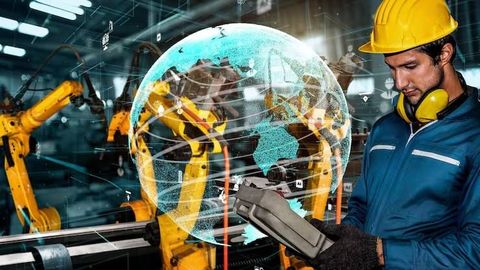
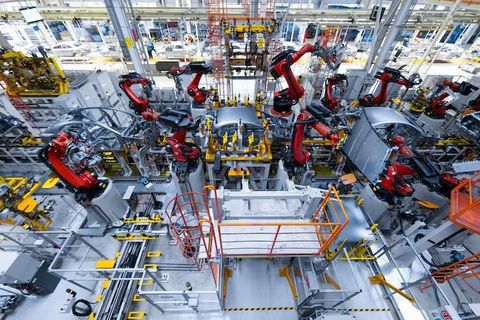
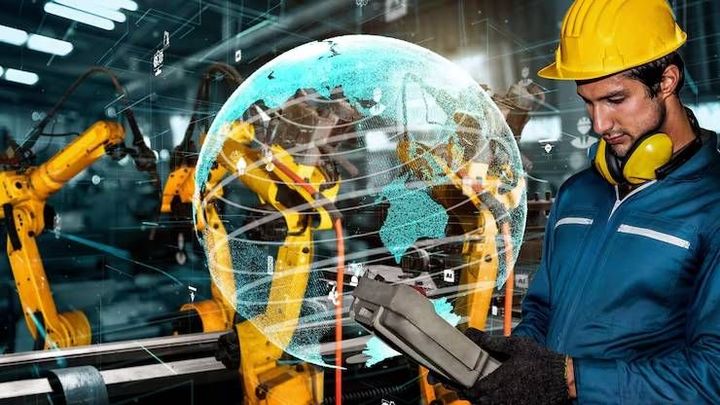
Industrial automation allows machines to perform repetitive or precisely controlled tasks with limited direct intervention. Robots are increasingly used for assembly, welding, material handling, packaging, and inspection.
Artificial intelligence can support visual inspection, production planning, and equipment monitoring. Predictive maintenance systems analyze information such as vibration, temperature, pressure, and operating hours to identify possible equipment problems before serious failures occur.
These technologies still require appropriate data, technical oversight, and safety controls. Automated systems do not eliminate the need for qualified personnel or reliable maintenance practices.
Connected Equipment and Energy Efficiency
Industrial Internet of Things technologies connect machines to sensors, monitoring platforms, and production systems. This can help operators understand machine performance, identify process interruptions, and compare energy consumption across operations.
Other important developments include:
Digital twins that represent physical equipment in virtual environments.
Additive manufacturing, which creates components layer by layer.
Electrification of selected industrial and mobile equipment.
Improved motor controls and energy management systems.
Modular machine designs that support flexible production arrangements.
The International Federation of Robotics publishes information about industrial robot installations and adoption. The International Energy Agency also examines industrial energy use and technologies that can improve energy efficiency.
These trends vary by sector, country, and company size. Their practical benefits depend on equipment compatibility, implementation quality, cybersecurity, staff training, and the conditions in which machines operate.
Laws or Policies – Rules Affecting Machinery Manufacturers
Machinery manufacturers must consider regulations covering product safety, worker protection, electrical systems, environmental performance, and international trade. Applicable requirements depend on the equipment, its intended use, and the country where it is manufactured or operated.
In the European Union, machinery requirements include Regulation (EU) 2023/1230 on machinery, which establishes safety and conformity requirements and generally applies from 20 January 2027. The Machinery Directive 2006/42/EC remains relevant during the transition period before the new regulation generally applies.
In the United States, the Occupational Safety and Health Administration establishes workplace safety requirements. Depending on the equipment and application, manufacturers and operators may also need to consider electrical safety standards, environmental rules, and other federal or state requirements.
In India, relevant frameworks include the Factories Act, 1948, where applicable, and occupational safety legislation, including the Occupational Safety, Health and Working Conditions Code, 2020. The applicable legal framework and implementation status should be verified for the relevant state, workplace, and equipment category. Product-specific requirements and Indian Standards may also apply.
Manufacturers and equipment users should review the following areas:
Machinery risk assessment and protective guarding.
Electrical safety and emergency stopping systems.
Conformity assessment, technical documentation, and required declarations.
Workplace training, inspection, and maintenance procedures.
Noise, emissions, waste management, and energy-related requirements.
Import, export, and customs documentation.
International standards published by the International Organization for Standardization and the International Electrotechnical Commission can provide technical guidance. However, a standard does not automatically become a legal requirement in every country; its status depends on the applicable legislation and adoption arrangements.
Tools and Resources – Useful Industrial Information Platforms
Reliable technical resources help engineers, researchers, students, and industrial decision-makers understand machinery specifications and regulatory responsibilities. Official publications are particularly useful when checking standards, safety requirements, and technology developments.
| Resource | Main purpose | Typical information |
|---|---|---|
| International Organization for Standardization (ISO) | International standards | Quality, safety, and industrial processes |
| International Electrotechnical Commission (IEC) | Electrical and electronic standards | Electrical equipment and control systems |
| International Federation of Robotics (IFR) | Robotics industry research | Robot adoption and industry statistics |
| International Energy Agency (IEA) | Energy analysis | Industrial energy use and efficiency |
| OSHA | United States workplace safety | Machine guarding and workplace requirements |
| European Commission | European regulatory information | Machinery legislation and conformity guidance |
| Bureau of Indian Standards (BIS) | Indian standardization | Indian Standards and product requirements |
Practical tools can also support equipment evaluation and maintenance planning. A machine comparison spreadsheet can record rated capacity, operating speed, energy consumption, dimensions, safety features, and maintenance intervals.
A preventive maintenance checklist can track inspections, lubrication, component wear, calibration, and repairs. Energy monitoring tools can help calculate electricity consumption using equipment power ratings and operating hours, although actual consumption varies with load and operating conditions.
Before relying on any resource, check its publication date, technical scope, jurisdiction, and source authority. Equipment manuals and official regulatory publications should take priority over unverified summaries.
FAQs – Global Machinery Manufacturers Guide
1. What do global machinery manufacturers produce?
They produce industrial machines and mechanical systems used in manufacturing, construction, agriculture, food processing, energy, transportation, and material handling.
2. How does advanced manufacturing technology improve production?
Automation, robotics, sensors, and data analysis can improve consistency, monitor equipment performance, reduce certain manual tasks, and help identify production problems.
3. Which factors matter when evaluating industrial machinery?
Important factors include capacity, precision, energy consumption, operating environment, safety features, maintenance requirements, compatibility, and applicable regulations.
4. What regulations apply to machinery manufacturers?
Requirements depend on the country and equipment category. They may cover machinery safety, electrical systems, workplace protection, environmental performance, and product conformity.
5. How can someone learn about machinery industry developments?
Official standards organizations, government regulatory websites, robotics research publications, energy reports, technical manuals, and engineering education resources provide useful information.
Conclusion – Understanding the Future of Industrial Machinery
Global machinery manufacturers contribute to industrial development by creating equipment that supports production, infrastructure, agriculture, and energy systems. Automation, connected technologies, robotics, and energy-efficient engineering continue to influence how machinery is designed and operated.
A clear understanding of equipment categories, technology trends, safety regulations, and technical resources helps readers evaluate industrial developments more effectively. Reliable information and responsible equipment management remain essential for safe, efficient, and sustainable manufacturing.
The future of the machinery industry will depend on engineering innovation, skilled personnel, effective regulation, and the careful integration of digital technologies. Understanding these factors provides a practical foundation for exploring global industrial equipment and advanced manufacturing technology.