Explore Lab Tools and Equipment: Tips, Basics and Important Laboratory Knowledge
Lab tools and equipment are essential for conducting experiments, testing samples, measuring substances, and recording scientific observations.
From simple glassware to advanced analytical instruments, each item has a specific purpose and requires appropriate handling.
Understanding laboratory basics helps students, researchers, technicians, and other users work more accurately and safely. Knowledge of lab tools and equipment also makes it easier to understand measurement principles, maintenance requirements, laboratory procedures, and scientific documentation.
Context
Laboratory tools and equipment include a wide range of instruments used in chemistry, biology, physics, medicine, environmental science, food science, and other technical fields. Their main purpose is to support controlled experiments, measurements, sample preparation, observation, analysis, and documentation.
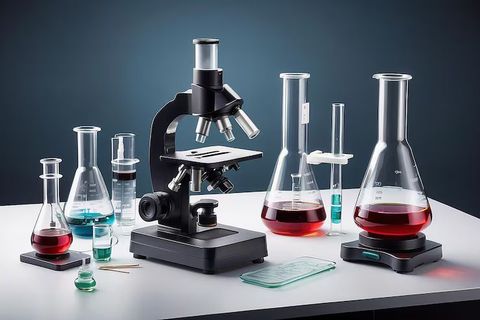
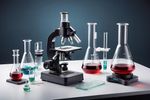
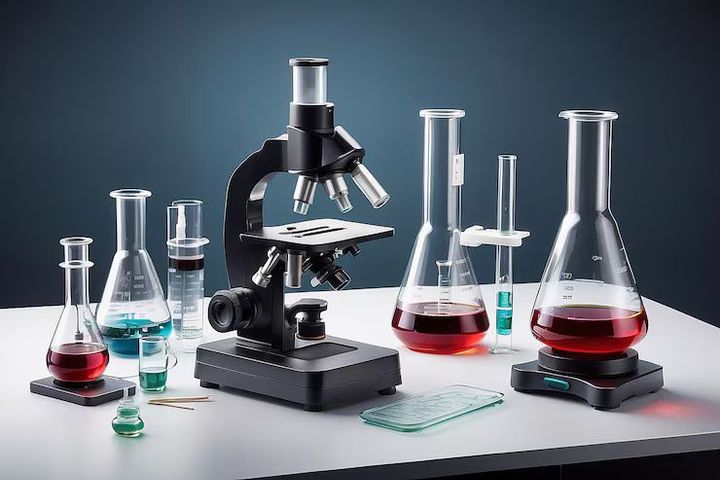
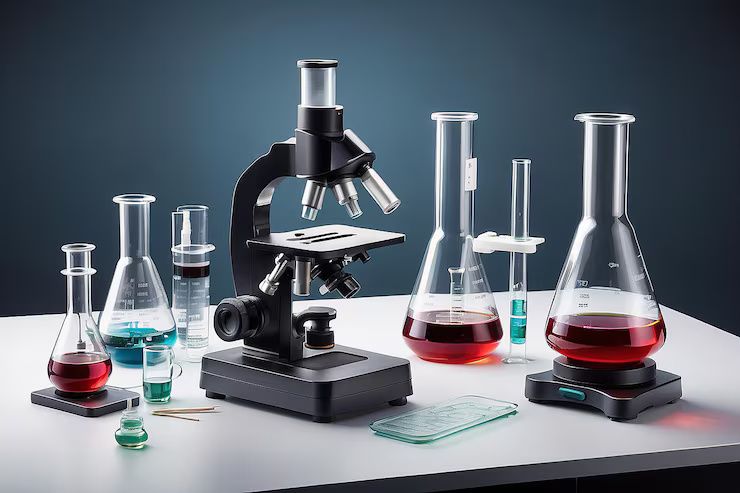
Basic laboratory tools include beakers, test tubes, measuring cylinders, pipettes, funnels, glass rods, forceps, spatulas, and thermometers. More specialized laboratory equipment includes centrifuges, microscopes, analytical balances, incubators, spectrophotometers, pH meters, autoclaves, and chromatography systems.
The selection of a laboratory tool depends on the activity being performed. For example, a measuring cylinder is commonly used when an approximate liquid volume is needed, while a volumetric flask is designed for preparing a solution to a specific volume.
Laboratory equipment can generally be grouped according to its function:
| Category | Common Examples | Main Purpose |
|---|---|---|
| Measuring tools | Balance, thermometer, pH meter | Measuring physical or chemical properties |
| Glassware | Beaker, flask, test tube | Holding, mixing, or preparing materials |
| Separation equipment | Centrifuge, filtration setup | Separating components of samples |
| Heating equipment | Hot plate, laboratory oven | Controlled heating |
| Observation tools | Microscope, magnifier | Examining materials or specimens |
| Sterilization equipment | Autoclave | Reducing or eliminating microorganisms |
| Analytical instruments | Spectrophotometer, chromatograph | Detailed sample analysis |
Proper identification is important because two instruments may look similar but have different measurement ranges, accuracy levels, or operating requirements.
Importance
Laboratory tools and equipment directly affect the quality and reliability of scientific work. An unsuitable instrument or incorrect measurement technique can introduce errors into an experiment.
Accurate laboratory work depends on several factors, including:
- Appropriate selection of equipment
- Correct measurement techniques
- Proper calibration
- Suitable environmental conditions
- Clean and uncontaminated instruments
- Accurate recording of observations
- Regular inspection and maintenance
Laboratory knowledge is particularly important for students learning scientific fundamentals. Understanding how a pipette, balance, microscope, or centrifuge works provides a practical foundation for more advanced scientific activities.
Researchers also need detailed knowledge of instrument limitations. Every measuring device has a defined range, resolution, and uncertainty. Results should therefore be interpreted within the capabilities of the instrument used.
Laboratory safety is another major consideration. Users should understand labels, warning symbols, operating instructions, personal protective equipment requirements, and procedures for handling chemicals, biological materials, heat, pressure, electricity, or moving components.
Equipment records can also help laboratories maintain consistency. Records may include calibration dates, inspection results, maintenance activities, operating conditions, and identification numbers.
Recent Updates
Modern laboratories are increasingly adopting digital measurement, automated workflows, connected instruments, and improved data-management practices. These developments are changing how laboratory measurements are collected, stored, analyzed, and reviewed.
Digital instruments can display measurements electronically and may connect with computers or laboratory information systems. This can reduce manual transcription and make it easier to organize experimental data.
Automation is another important development. Automated liquid handling systems, sample preparation instruments, robotic platforms, and programmable analytical equipment can perform repetitive tasks according to defined procedures.
Some laboratories are also using connected monitoring systems for temperature, humidity, equipment status, and other environmental conditions. Continuous monitoring can provide a clearer record of conditions that may influence experiments or sample integrity.
Important areas of laboratory development include:
- Digital data collection
- Automated sample handling
- Instrument connectivity
- Improved measurement accuracy
- Remote equipment monitoring
- Electronic laboratory records
- Energy-efficient laboratory systems
- Advanced analytical technologies
Artificial intelligence and machine learning are also being explored in areas such as image analysis, scientific data interpretation, pattern recognition, and laboratory workflow optimization. Their use still requires appropriate validation and human oversight.
Another trend is greater attention to laboratory sustainability. Laboratories can consume significant amounts of electricity, water, plastics, and other materials. Equipment selection and laboratory planning increasingly consider energy consumption, waste reduction, and efficient use of resources.
Laws or Policies
Laboratory rules vary according to the country, institution, type of laboratory, and materials being handled. Laboratories may need to follow occupational safety requirements, environmental regulations, chemical-handling rules, biological safety standards, electrical requirements, and waste-management provisions.
In the United States, organizations such as the Occupational Safety and Health Administration and the Environmental Protection Agency provide regulatory frameworks relevant to certain laboratory activities. The National Institute for Occupational Safety and Health also publishes occupational health and safety information.
In India, laboratory activities can be affected by requirements from government authorities and regulatory bodies depending on the field. Chemical handling, biomedical activities, environmental testing, clinical laboratories, hazardous waste, and research involving biological materials may each have different requirements.
Laboratories may also follow recognized technical standards. ISO/IEC 17025 is widely associated with the competence of testing and calibration laboratories. Clinical laboratories may follow additional standards and accreditation frameworks depending on their activities and jurisdiction.
Common policy areas include:
- Chemical labeling and hazard communication
- Biological safety
- Hazardous waste management
- Electrical and equipment safety
- Calibration and measurement traceability
- Personal protective equipment
- Emergency preparedness
- Documentation and recordkeeping
Laboratory personnel should always consult the regulations and institutional procedures applicable to their specific location and type of work.
Tools and Resources
Reliable technical resources can help users understand laboratory tools, measurements, safety practices, and scientific terminology.
Useful resources include government agencies, standards organizations, scientific institutions, equipment manuals, academic publications, and educational databases.
Examples of useful information sources include:
- National Institute of Standards and Technology for measurement science and reference information
- Occupational Safety and Health Administration for workplace safety information
- Environmental Protection Agency for environmental and chemical-related regulatory information
- Centers for Disease Control and Prevention for laboratory biosafety information
- World Health Organization for laboratory and public-health guidance
- International Organization for Standardization for international standards information
Equipment manuals are particularly useful because they describe the intended operating range, setup requirements, maintenance procedures, warnings, and limitations of specific instruments.
Calibration references and laboratory templates can also support consistent recordkeeping. A basic equipment record may contain the instrument name, identification number, location, calibration information, inspection history, and relevant notes.
Before using unfamiliar laboratory equipment, users should review the manufacturer's instructions and applicable institutional procedures. Training should be appropriate to the complexity and hazards associated with the instrument.
FAQs
What are basic laboratory tools?
Basic laboratory tools include beakers, test tubes, pipettes, measuring cylinders, funnels, glass rods, spatulas, forceps, thermometers, and laboratory balances. Their exact use depends on the experiment or procedure.
Why is laboratory equipment calibration important?
Calibration helps determine whether an instrument's measurements remain within an appropriate level of accuracy when compared with a recognized reference. Calibration requirements depend on the instrument and its intended application.
How should laboratory equipment be maintained?
Maintenance depends on the equipment type. Users should follow the relevant instructions for cleaning, inspection, calibration, storage, and replacement of components. Maintenance records should be retained where required.
What laboratory equipment is used for measuring?
Common measuring equipment includes analytical balances, thermometers, pH meters, measuring cylinders, volumetric flasks, pipettes, and specialized analytical instruments. Different instruments measure different physical or chemical properties.
Why is laboratory safety important?
Laboratory safety helps reduce exposure to chemical, biological, electrical, thermal, mechanical, and other hazards. Appropriate procedures, training, protective equipment, labeling, and emergency planning are important parts of laboratory safety.
Conclusion
Lab tools and equipment provide the practical foundation for measurement, experimentation, observation, analysis, and scientific documentation. Understanding their functions, limitations, maintenance requirements, and safe handling practices can improve the reliability and consistency of laboratory work.
Modern laboratories are combining traditional equipment with digital instruments, automation, connected monitoring, and advanced analytical technologies. Regardless of technological development, accurate procedures, appropriate training, equipment maintenance, and compliance with relevant laboratory rules remain fundamental.
Good laboratory knowledge begins with understanding why each tool is used and how its measurements should be interpreted. Users should consult appropriate technical documentation, institutional procedures, and applicable regulations whenever they work with unfamiliar equipment or specialized laboratory processes.