Heavy-Scale Process Equipment Tips for Understanding Industrial Machinery and Process Control
Heavy-scale process equipment plays an important role in modern industries, including chemical processing, energy production, food manufacturing, pharmaceuticals, mining, and water treatment.
These facilities depend on large machines and connected systems to process raw materials, control operating conditions, and maintain consistent production. Understanding industrial machinery and process control helps readers learn how these systems function and why proper monitoring matters.
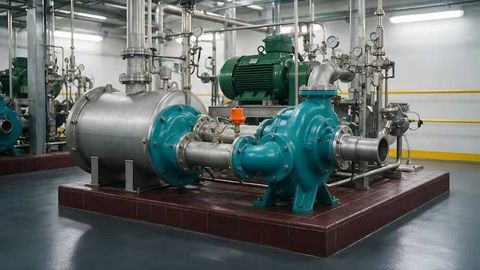
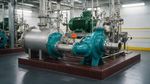
Heavy-scale process equipment includes pressure vessels, industrial reactors, heat exchangers, pumps, compressors, storage tanks, filtration units, and material-handling systems. Each component performs a specific task within a larger industrial process. Learning about equipment selection, maintenance, automation, and safety provides a useful foundation for understanding complex industrial operations.
Context of Heavy-Scale Process Equipment
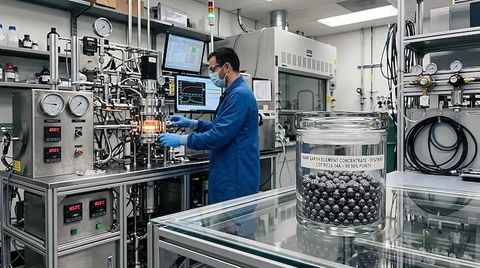
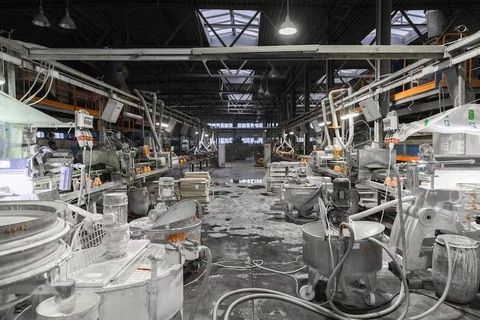
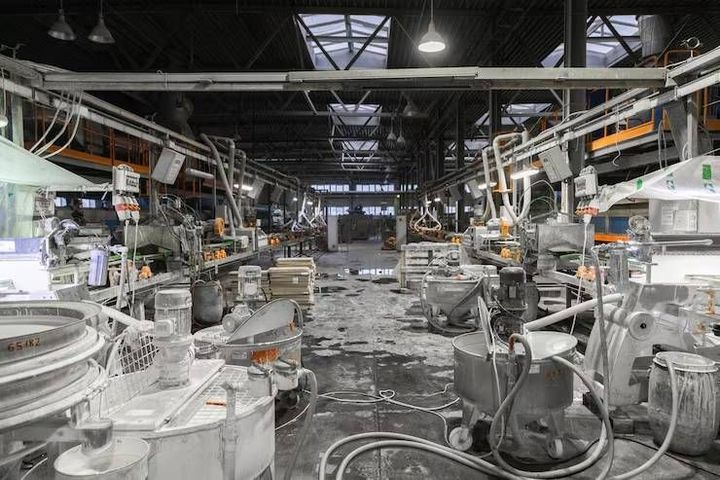
Heavy-scale process equipment refers to large industrial machines and engineered systems used to transform, separate, heat, cool, mix, store, or transport materials. These systems are often connected through pipelines, electrical networks, sensors, and automated control equipment.
The design of process equipment depends on several factors, including the material being processed, operating temperature, pressure, flow rate, chemical properties, and production requirements. Engineers consider these factors when selecting equipment and determining suitable operating conditions.
Industrial process control is the method used to monitor and regulate variables such as pressure, temperature, liquid level, flow, and chemical concentration. Sensors collect measurements, controllers compare them with defined operating targets, and control valves or motors adjust equipment operation when necessary.
For example, a chemical processing facility may use a reactor to support a controlled reaction, a heat exchanger to regulate temperature, and pumps to move liquids between production stages. A control system coordinates these components to maintain stable operating conditions.
Understanding the relationship between machinery and process control helps explain how individual components work together as an integrated industrial system.
Importance of Heavy-Scale Process Equipment
Heavy-scale process equipment is important because industrial production often involves continuous operations, large material volumes, and demanding physical conditions. Equipment reliability and accurate process control influence product consistency, workplace safety, energy consumption, and environmental performance.
Several groups depend on reliable industrial equipment:
Plant operators monitor equipment readings and respond to changes in operating conditions.
Maintenance technicians inspect machinery, identify wear, and perform preventive maintenance.
Process engineers evaluate system performance and improve operating procedures.
Safety professionals assess hazards and verify that protective measures are effective.
Environmental specialists monitor emissions, wastewater, and other regulated outputs.
Correct equipment operation can reduce unplanned interruptions and help maintain consistent process conditions. Poor maintenance, incorrect settings, or faulty sensors can create operational problems and increase the likelihood of equipment damage.
Process control also helps prevent conditions from moving outside established operating limits. For instance, high-pressure systems may require pressure transmitters, alarms, and automatic shutdown mechanisms to reduce the risk of dangerous pressure increases.
Operators should never depend on a single instrument reading when a safety-critical condition is suspected. Established operating procedures, independent safety systems, and appropriate verification methods remain essential.
Recent Updates in Industrial Machinery and Process Control
Industrial machinery is changing as manufacturers adopt digital monitoring, automation, energy-efficiency measures, and improved methods of equipment inspection. These developments help industrial facilities understand equipment conditions and make decisions using operational data.
One important development is the Industrial Internet of Things (IIoT). Connected sensors can collect vibration, temperature, pressure, and energy-use data from equipment. Authorized personnel can use this information to identify unusual operating patterns and investigate possible faults.
Predictive maintenance is another growing area. Instead of relying exclusively on fixed maintenance intervals, facilities can evaluate equipment condition and historical performance to estimate when inspection or maintenance may be necessary. Predictions are not always accurate, so qualified personnel must verify findings before taking action.
Artificial intelligence and machine learning are also being explored for anomaly detection, process optimization, and equipment performance analysis. Their effectiveness depends on data quality, appropriate validation, and the operating environment.
Digital twins provide another approach. A digital twin is a digital representation of a physical asset or process that uses engineering information and, in some applications, live operational data. It can help teams study operating scenarios and evaluate changes before implementing them in a real facility.
Other developments include:
Variable-frequency drives for adjusting motor speed to suit operating requirements.
Improved sensor technology for collecting more consistent measurements.
Energy monitoring systems for identifying inefficient operating patterns.
Remote condition monitoring for equipment located in difficult-to-access areas.
These technologies support industrial decision-making, but they do not eliminate the need for engineering judgment, equipment inspections, cybersecurity controls, or established safety procedures.
Laws or Policies for Industrial Equipment
Heavy-scale process equipment may be subject to national laws, regional regulations, industry standards, and facility-specific requirements. The rules that apply depend on the equipment type, operating conditions, industrial sector, and country.
In the United States, the Occupational Safety and Health Administration (OSHA) establishes workplace safety requirements. Its Process Safety Management standard, 29 CFR 1910.119, applies to covered processes involving specified highly hazardous chemicals. It addresses process hazards, operating procedures, mechanical integrity, training, and emergency planning.
The Environmental Protection Agency (EPA) regulates relevant environmental matters under applicable federal environmental laws, including requirements related to air emissions, water pollution, and hazardous waste.
The American Society of Mechanical Engineers (ASME) publishes engineering codes used in areas such as pressure vessel design and construction. Whether a particular code is mandatory depends on applicable laws, adopted codes, and project requirements.
In India, industrial facilities may need to consider the Factories Act, 1948, and applicable state factory rules, alongside relevant occupational safety legislation and implementing rules. The Occupational Safety, Health and Working Conditions Code, 2020, is also part of India's evolving legal framework; its applicable provisions and commencement status should be verified through official government sources. Depending on the facility, environmental permissions, pressure equipment requirements, and electrical safety rules may also apply.
Common compliance activities include:
Maintaining equipment inspection and maintenance records.
Providing suitable operator training and documented procedures.
Testing alarms, interlocks, and emergency shutdown systems.
Evaluating process hazards and controlling identified risks.
Following applicable environmental monitoring and reporting requirements.
Facilities should confirm current legal requirements with the relevant regulator and qualified compliance professionals rather than assuming that one standard applies to every machine.
Tools and Resources for Understanding Process Equipment
Several technical resources help readers develop a clearer understanding of heavy-scale process equipment, industrial machinery, and process control. Official publications and recognized engineering references are useful starting points.
| Tool or resource | Main purpose |
|---|---|
| OSHA publications | Workplace safety and process hazard information |
| EPA resources | Environmental compliance and pollution control |
| ASME codes and publications | Mechanical engineering and pressure equipment guidance |
| NIST resources | Measurement science, standards, and industrial technology |
| P&ID diagrams | Understanding piping, instruments, valves, and process connections |
| Equipment manuals | Reviewing operating limits, maintenance intervals, and inspection procedures |
| Process simulation software | Studying flows, temperatures, pressures, and process behavior |
| Condition monitoring tools | Evaluating vibration, temperature, and equipment performance |
A piping and instrumentation diagram, commonly called a P&ID, is especially useful for understanding how industrial systems are connected. It identifies important equipment, pipelines, valves, measurement instruments, and control loops.
Beginners can follow a structured learning approach:
Identify the main equipment used in a selected industrial process.
Learn the purpose of each component and its operating limits.
Study basic concepts such as pressure, temperature, flow, and liquid level.
Review process diagrams and equipment documentation.
Learn how alarms, interlocks, and control loops respond to changing conditions.
Understand inspection, maintenance, and emergency procedures.
For technical calculations, engineers may use pressure-drop calculations, heat-transfer equations, pump-performance curves, and energy-balance methods. These calculations require suitable input data and assumptions. Safety-critical design decisions should be reviewed by qualified engineers.
FAQs About Heavy-Scale Process Equipment
1. What is heavy-scale process equipment?
Heavy-scale process equipment consists of large industrial machines used to process, heat, cool, separate, mix, store, or transport materials. Examples include reactors, pressure vessels, pumps, compressors, and heat exchangers.
2. How does industrial process control work?
Industrial process control uses sensors, controllers, and control elements to regulate operating variables. For example, a temperature sensor can provide measurements to a controller that adjusts a heating valve to maintain a defined temperature.
3. What is the difference between preventive and predictive maintenance?
Preventive maintenance follows planned schedules based on time, operating hours, or manufacturer guidance. Predictive maintenance uses equipment-condition information and analytical methods to estimate when maintenance may be needed.
4. Why are safety systems important in industrial machinery?
Safety systems help detect hazardous conditions and initiate appropriate responses. Depending on the design, they may include alarms, protective interlocks, pressure-relief devices, and emergency shutdown systems.
5. Which skills help beginners understand process equipment?
Basic knowledge of mechanical systems, electrical principles, measurement instruments, process diagrams, and workplace safety is useful. Learning how pressure, temperature, flow, and liquid level interact provides a strong foundation.
Conclusion
Heavy-scale process equipment supports many industrial activities by enabling materials to be processed under controlled conditions. Understanding machinery, instrumentation, automation, maintenance, and safety helps explain how industrial facilities maintain reliable operations. New developments in connected sensors, predictive maintenance, and digital modeling are expanding the ways engineers monitor equipment and evaluate performance.
A practical starting point is to study common equipment types, learn to read P&ID diagrams, and become familiar with basic process-control principles. Readers should also consult current regulations, equipment manuals, and recognized engineering references when exploring specific industrial applications.
Developing this knowledge takes time and practical experience. A balanced understanding of equipment operation, risk management, and regulatory requirements provides a useful foundation for further learning about modern industrial machinery and process control.