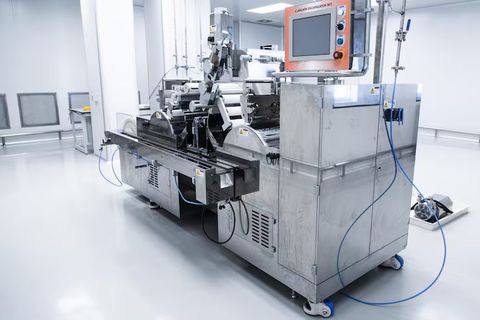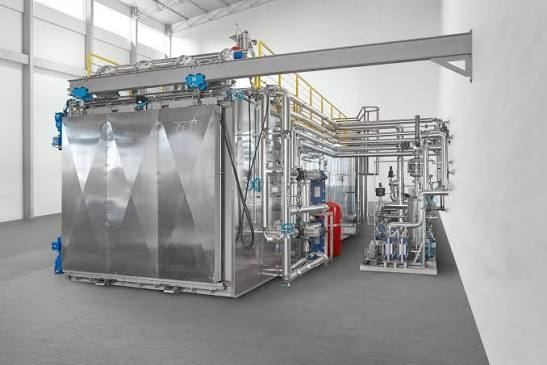
Industrial Sterilization Equipment Facts: Discover Common Methods, Technologies, and Industrial Uses
Industrial sterilization equipment is used to reduce or eliminate microorganisms from products, instruments, materials, and production environments.
Common technologies include steam, dry heat, ethylene oxide (EtO), radiation, vaporized hydrogen peroxide, and other low-temperature methods.
The appropriate method depends on factors such as material compatibility, product design, temperature sensitivity, moisture tolerance, packaging, and the required level of microbial control. This guide explains common industrial sterilization equipment, its applications, recent developments, and important regulatory considerations.
Context – Industrial Sterilization Equipment
Sterilization is a controlled process intended to destroy or eliminate all forms of microbial life. Industrial sterilization equipment provides controlled conditions such as temperature, pressure, humidity, chemical concentration, radiation dose, or exposure time to achieve the required process outcome.
Sterilization is used across healthcare, pharmaceuticals, biotechnology, food-related processing, laboratories, and other industries where microbial contamination can affect product quality or safety.
Common equipment includes:
- Steam sterilizers and autoclaves
- Dry-heat sterilization ovens
- Ethylene oxide sterilizers
- Vaporized hydrogen peroxide systems
- Radiation sterilization systems
- Low-temperature sterilization equipment
- Specialized chemical sterilization systems
Steam is widely used for heat-resistant materials. Low-temperature technologies are important for products containing plastics, electronics, optical components, or other materials that may be damaged by high heat or moisture.
| Sterilization method | Main process factor | Typical application |
|---|---|---|
| Steam | Heat, pressure, moisture | Heat-resistant instruments |
| Dry heat | High temperature | Glassware and selected materials |
| Ethylene oxide | Gas exposure | Heat-sensitive medical devices |
| Hydrogen peroxide | Low-temperature vapor or plasma | Sensitive medical equipment |
| Radiation | Controlled radiation dose | Selected packaged products |
| Peracetic acid | Chemical exposure | Certain heat-sensitive equipment |
Importance – Why Sterilization Matters
Industrial sterilization helps control microbial contamination during manufacturing and processing. In healthcare-related applications, sterile medical devices are particularly important when they contact sterile body tissues or fluids. The CDC identifies steam as a preferred method for critical instruments that can tolerate heat, steam, pressure, and moisture.
The choice of technology can affect several factors:
- Material compatibility
- Product integrity
- Microbial inactivation
- Processing conditions
- Packaging compatibility
- Residual chemical considerations
- Process monitoring requirements
For example, EtO can be used for heat- and moisture-sensitive products, while steam is generally appropriate for heat-resistant equipment. CDC guidance also identifies hydrogen peroxide gas plasma and other low-temperature technologies for suitable heat-sensitive equipment.
Industrial users therefore need to consider the characteristics of the product rather than assuming that one sterilization method is appropriate for every application.
Recent Updates – Trends and Developments
Sterilization technology continues to develop as industries work with increasingly complex products and materials. Medical devices, for example, may contain polymers, electronic components, narrow internal channels, or combinations of materials that require carefully selected processing conditions.
The FDA identifies several sterilization approaches for medical devices, including moist heat, dry heat, radiation, EtO gas, vaporized hydrogen peroxide, chlorine dioxide gas, vaporized peracetic acid, and nitrogen dioxide.
One important development is the increased attention given to low-temperature alternatives. These technologies can be useful when traditional steam processing could damage a product. At the same time, each technology has specific limitations involving product geometry, packaging, material compatibility, process monitoring, and validation.
Another important development is the publication of ISO 17665:2024. The standard establishes requirements for developing, validating, and routinely controlling moist-heat sterilization processes for medical devices.
The FDA also recognized ISO 17665:2024 as a consensus standard for medical devices in 2024.
Digital monitoring is also becoming increasingly important. Modern sterilization systems can record process parameters such as temperature, pressure, exposure time, and other cycle information, supporting documentation and process review.
Laws or Policies – Relevant Rules and Standards
Sterilization requirements vary according to the country, industry, product category, and intended use. Medical-device manufacturers, for example, may need to consider regulatory requirements together with recognized technical standards.
In the United States, the FDA provides information concerning sterilization methods for medical devices and recognizes relevant consensus standards. ISO 17665:2024 is specifically concerned with moist-heat sterilization processes for medical devices.
The CDC provides recommendations for sterilization practices in healthcare environments. Its guidance emphasizes following validated operating parameters and the applicable instructions for instruments, sterilizers, containers, and wraps.
Process verification is another important element. CDC guidance states that sterilizers may be evaluated using biological and chemical indicators during installation, relocation, redesign, major repair, and following sterilization failures.
EtO sterilization also receives particular regulatory attention because of its chemical and occupational characteristics. The FDA has discussed changes to EtO sterilization activities and related regulatory requirements, including measures associated with transitions affecting certain medical devices.
Organizations should therefore consult the regulations and standards applicable to their specific product, location, and industry rather than relying on general sterilization guidance alone.
Tools and Resources – Useful Information Sources
Several authoritative resources can help organizations understand sterilization equipment, process development, and regulatory requirements.
- FDA medical-device sterilization information for U.S. regulatory context
- CDC sterilization and disinfection guidance for healthcare environments
- ISO 17665:2024 for moist-heat sterilization of medical devices
- FDA recognized consensus standards for applicable medical-device processes
- Equipment manufacturer documentation for validated operating parameters
- Internal validation records and sterilization-cycle monitoring data
Process documentation can include temperature and pressure records, exposure times, biological indicators, chemical indicators, calibration records, maintenance information, and validation reports.
For complex applications, organizations commonly evaluate the entire sterilization process rather than examining the equipment alone. Product loading, packaging, materials, process parameters, monitoring, and post-process handling can all influence the result.
FAQs – Industrial Sterilization Equipment
What is industrial sterilization equipment?
Industrial sterilization equipment consists of systems designed to control physical, chemical, or radiation-based processes that destroy or eliminate microorganisms from products, instruments, or materials.
Which sterilization method is commonly used?
Steam sterilization is widely used for heat-resistant medical and surgical instruments. Other methods, including EtO, hydrogen peroxide, radiation, and dry heat, may be appropriate for products with different material and processing requirements.
When is low-temperature sterilization used?
Low-temperature sterilization is generally considered when a product cannot tolerate the heat or moisture associated with conventional steam sterilization. EtO and hydrogen peroxide-based technologies are examples of low-temperature approaches.
Why is process validation important?
Validation helps demonstrate that a defined sterilization process can consistently achieve its intended microbial-control requirements under specified conditions. ISO 17665:2024 addresses development, validation, and routine control for applicable moist-heat processes.
Does one sterilization method work for every product?
No. Product materials, geometry, packaging, temperature tolerance, moisture sensitivity, and intended application can affect which sterilization process is appropriate.
Conclusion – Key Facts to Remember
Industrial sterilization equipment supports controlled microbial elimination across healthcare, pharmaceutical, biotechnology, laboratory, and other industrial applications. Steam, dry heat, EtO, radiation, hydrogen peroxide, and other technologies each have different operating characteristics and applications.
The appropriate process depends on the product and its required conditions. Current standards such as ISO 17665:2024 and guidance from organizations such as the FDA and CDC provide useful frameworks for applicable sterilization processes.
Understanding the differences between sterilization technologies can help readers interpret equipment specifications, process requirements, and validation information more accurately.
For regulated applications, organizations should consult the relevant national regulations, technical standards, and validated process documentation applicable to their products and facilities.