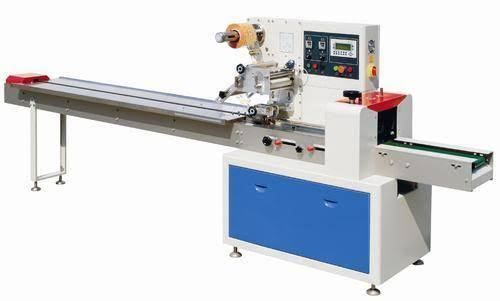
Flow Wrap Machine Guide: Explore Types, Uses, Working Principles, and Features
Flow wrap machines are automated packaging systems designed to enclose individual products in a continuous film wrapper. They are commonly used for products such as food items, bakery products, confectionery, household goods, medical items, and selected industrial products.
A flow wrap machine can improve packaging consistency by controlling product movement, film feeding, sealing, and cutting in a coordinated process. Understanding its types, uses, working principles, features, and relevant regulations helps users evaluate how this technology fits different packaging applications.
Context
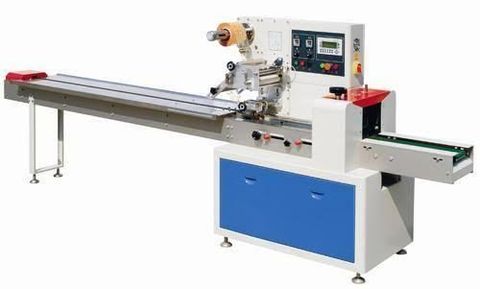
A flow wrap machine, also known as a horizontal form-fill-seal machine, creates an individual package around a product using a flexible packaging film. The product generally moves horizontally through the machine while film is formed around it.
The packaging process normally involves several stages:
- Product feeding
- Film unwinding
- Film forming
- Longitudinal sealing
- End sealing
- Cutting
- Discharge of the wrapped product
The machine can be configured for different product shapes, dimensions, packaging materials, and production requirements. Its horizontal design makes it particularly suitable for products that can remain stable while moving along a conveyor.
Flow wrap technology developed alongside automated packaging systems as manufacturers sought more consistent and efficient methods for handling individual products. Modern systems may incorporate electronic controls, sensors, servo motors, touchscreen interfaces, and automated adjustment features.
Common flow wrap machine types include:
| Machine type | General application | Main characteristic |
|---|---|---|
| Horizontal flow wrapper | Food and general products | Continuous horizontal packaging |
| Servo flow wrapper | High-precision applications | Servo-controlled movement |
| Entry-level flow wrapper | Smaller production environments | Simpler configuration |
| High-speed flow wrapper | Large-volume production | Faster product handling |
| Modified-atmosphere flow wrapper | Selected food products | Controlled package atmosphere |
| Multi-lane flow wrapper | Small products | Several products processed simultaneously |
The exact machine configuration depends on product dimensions, film characteristics, required packaging format, and production conditions.
Importance
Flow wrap machines are important in industries where individual products need consistent packaging and controlled handling. Automated packaging can reduce repetitive manual operations and create uniform package dimensions.
The technology can affect several groups, including food manufacturers, packaging teams, equipment operators, quality personnel, and maintenance technicians.
For food applications, packaging can help protect products from environmental exposure, physical contamination, moisture, and other factors. The actual level of protection depends on the packaging material, seal quality, product characteristics, and storage conditions.
Important factors when studying a flow wrap machine include:
- Product dimensions and shape
- Required packaging speed
- Film type and thickness
- Sealing temperature
- Seal strength
- Product feeding method
- Machine controls
- Cleaning requirements
- Maintenance procedures
- Safety systems
Packaging film selection is especially important. Different materials have different barrier, sealing, flexibility, and temperature characteristics. A film that works well for one product may not be appropriate for another.
Recent Updates
Recent developments in flow wrap technology have focused on automation, precision, energy management, monitoring, and easier machine operation.
Servo-driven systems are increasingly used where accurate product positioning and synchronized machine movements are required. Servo technology can independently control different machine movements and can support precise adjustments for changing product formats.
Digital control interfaces are another important development. Touchscreen panels can display operating information, machine settings, alarms, and diagnostic information. Some systems can store predefined operating parameters for different packaging formats.
Sensors also play an important role. Depending on the machine configuration, sensors can detect product position, film registration marks, package presence, or other operating conditions.
Current developments commonly include:
- Servo-controlled packaging movements
- Digital touchscreen controls
- Automatic film tracking
- Product detection sensors
- Electronic temperature monitoring
- Machine condition monitoring
- Improved changeover procedures
- Data collection for production analysis
Integration with broader manufacturing systems is also becoming more common. Industrial communication technologies can allow packaging equipment to exchange information with other production systems.
Sustainability is another area of development. Manufacturers and packaging specialists are studying thinner films, recyclable structures, material reduction, and packaging designs that maintain necessary product protection while using fewer resources. The suitability of a particular material depends on the product, packaging regulations, sealing requirements, and available recycling infrastructure.
Laws or Policies
Flow wrap machines used in food, pharmaceutical, medical, or other regulated applications may need to meet specific legal and technical requirements. The applicable rules depend on the country, industry, product, packaging material, and intended use.
For machinery safety, manufacturers and operators may need to consider requirements covering moving parts, emergency stopping, electrical systems, guarding, controls, and operator protection.
In the European Union, machinery requirements are governed through applicable EU machinery legislation and related harmonized standards. In the United States, workplace machinery safety can involve Occupational Safety and Health Administration requirements, along with relevant technical standards.
Food packaging can also be subject to requirements concerning materials that come into contact with food. These rules may address material composition, migration, labeling, hygiene, and permitted substances.
Packaging operations should therefore consider:
- Machinery safety requirements
- Electrical and control-system requirements
- Food-contact material regulations where applicable
- Hygiene and sanitation procedures
- Product labeling requirements
- Packaging waste regulations
- Workplace safety requirements
Requirements can change by jurisdiction, so organizations should consult the applicable government authorities and current regulatory documents for their specific application.
Tools and Resources
Several types of resources can help users understand and evaluate flow wrap equipment.
Manufacturer technical documentation can provide information about machine dimensions, compatible film materials, operating ranges, electrical requirements, sealing systems, and maintenance procedures.
Government regulatory websites are useful for checking current machinery, workplace safety, food packaging, and environmental requirements. Standards organizations can also provide technical references relevant to packaging equipment and materials.
Useful resources include:
- Machinery operating manuals
- Packaging film technical data sheets
- Food-contact material regulations
- Workplace safety guidance
- Packaging machinery standards
- Preventive maintenance checklists
- Product dimension worksheets
- Packaging material specifications
A basic evaluation worksheet can record product length, width, height, weight, required package dimensions, film characteristics, sealing requirements, and anticipated operating conditions. These details help determine whether a particular flow wrap configuration is technically appropriate.
FAQs
What is a flow wrap machine?
A flow wrap machine is an automated packaging system that wraps individual products in flexible film. It normally forms the film around the product and creates longitudinal and end seals.
How does a flow wrap machine work?
The product enters the machine through a conveyor or feeding system. Packaging film is unwound and formed around the product, after which sealing components create the package seals and a cutting mechanism separates individual packages.
What products can use flow wrapping?
Flow wrapping can be used for many products, including bakery items, confectionery, snacks, fresh produce, household products, medical items, and selected industrial components. Product shape and packaging requirements determine suitability.
What types of film are used?
Film selection depends on product requirements and packaging conditions. Materials can include polyethylene-based structures, polypropylene-based films, laminates, and other flexible packaging structures designed for particular sealing and barrier characteristics.
What features are important in a flow wrap machine?
Important features can include accurate product feeding, film tracking, adjustable sealing controls, sensors, electronic controls, safety guards, temperature monitoring, and suitable changeover arrangements.
Conclusion
A flow wrap machine is a horizontal packaging system that combines product feeding, film forming, sealing, and cutting into a coordinated process. Its applications range from food and confectionery products to household, medical, and industrial items.
Modern flow wrapping technology increasingly incorporates servo controls, sensors, digital interfaces, monitoring systems, and material-efficiency considerations. Selecting an appropriate configuration requires attention to product characteristics, film properties, sealing requirements, machine safety, and applicable regulations.
Understanding the working principles and technical features provides a useful foundation for evaluating flow wrap packaging systems. Regulatory requirements should always be checked according to the country and industry in which the equipment is used.