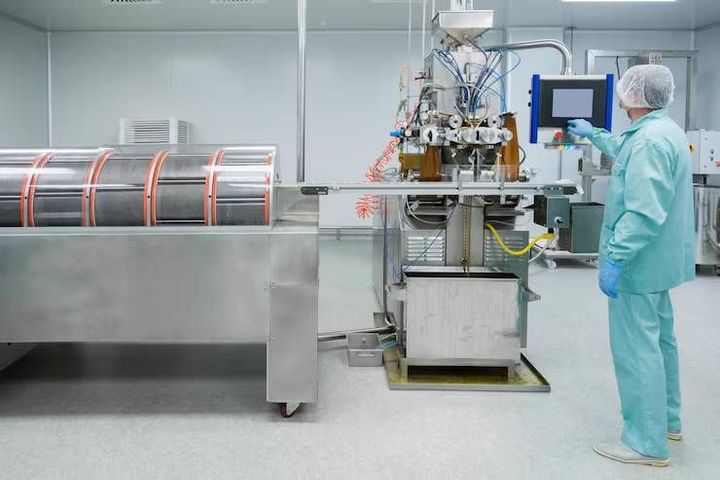
Sachet Filling Machine Insights for Beginners Exploring Automated Packaging Systems
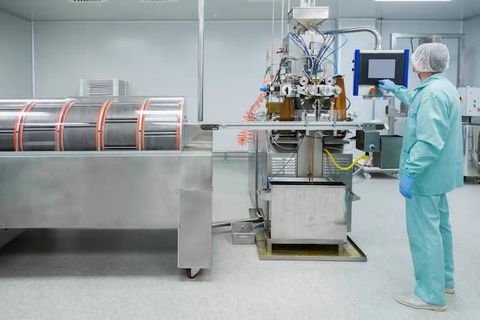
Sachet filling machines are an important part of modern packaging operations. They are designed to measure, fill, and seal products in small individual packets, commonly known as sachets.
These machines are used across food processing, pharmaceuticals, cosmetics, agriculture, and household product manufacturing. Their automated functions help maintain consistent packaging quality and support organized production processes.
As industries continue to adopt automated packaging systems, understanding sachet filling machine technology has become increasingly useful for beginners, manufacturers, engineers, and packaging professionals. Learning about machine types, operating principles, safety requirements, and recent technological developments provides a foundation for understanding how modern packaging systems work.
Context
A sachet filling machine is an automated or semi-automated packaging system that places a measured quantity of a product into small flexible packets. These packets are commonly manufactured using plastic films, laminated materials, paper-based structures, or other suitable packaging materials.
The main purpose of a sachet filling machine is to perform packaging operations accurately and consistently. Depending on its design, the equipment can handle powders, liquids, granules, pastes, and other products.
A typical automated sachet filling process includes several stages:
Film feeding: Packaging material moves through the machine from a roll.
Forming: The film is shaped into individual sachet sections.
Filling: A measured quantity of the product enters the packet.
Sealing: Heat or another suitable sealing method closes the packet.
Cutting: Individual sachets are separated from the continuous packaging material.
Inspection: Finished packets are checked for quality and packaging defects.
Different machines use different filling technologies depending on product characteristics. For example, powder filling systems may use auger mechanisms, while liquid filling machines commonly use pumps or volumetric dosing systems.
Understanding these differences helps beginners identify the equipment suitable for particular packaging applications.
Importance
Sachet filling machines play an important role in industries where products need to be distributed in small, controlled quantities. Individual packets are useful for single-use applications, product sampling, portion control, and convenient storage.
The technology affects several areas of manufacturing and packaging operations.
First, automation helps maintain consistent filling quantities. Accurate dosing is important for product quality, packaging compliance, and consumer confidence.
Second, automated systems can reduce repetitive manual activities. This allows production teams to concentrate on equipment monitoring, quality checks, material preparation, and maintenance.
Third, properly configured machines can improve packaging consistency by controlling filling, sealing, and cutting operations.
Industries that commonly use sachet filling technology include:
Food and beverages: Sugar, coffee, tea, sauces, spices, and seasoning powders.
Pharmaceuticals: Powdered medicines, oral rehydration products, and selected healthcare preparations.
Cosmetics: Creams, lotions, gels, and personal care samples.
Agriculture: Seeds, fertilizers, and selected agricultural powders.
Household products: Detergents, cleaning powders, and other measured-use products.
The importance of the equipment depends on production volume, product characteristics, packaging requirements, and applicable quality standards.
Recent Updates
Automated packaging technology continues to develop as manufacturers focus on operational flexibility, product quality, digital monitoring, and environmental considerations.
One important development is the growing use of smart automation. Modern packaging equipment can incorporate programmable logic controllers (PLCs), touchscreen interfaces, sensors, and automated monitoring systems. These components help operators manage machine settings and observe production conditions.
Another development is the use of artificial intelligence and machine vision. Inspection systems can identify certain packaging defects, including incorrect sealing, damaged packets, and printing inconsistencies. Their effectiveness depends on camera quality, software configuration, and inspection conditions.
Flexible machine designs are also receiving attention. Manufacturers increasingly need equipment that can accommodate different sachet dimensions, packaging materials, and product types. Adjustable settings and modular components can make product changeovers more manageable.
Sustainability is another important area of development. Packaging manufacturers are exploring recyclable structures, paper-based materials, and alternative flexible packaging solutions. However, these materials must be evaluated for sealing performance, product protection, barrier properties, and compatibility with filling equipment.
The 2026 packaging industry outlook also highlights the growing importance of AI applications, flexible automation, and sustainable packaging technologies.
Other developments include:
Remote equipment monitoring and digital production records.
Improved temperature control during heat sealing.
Automatic product feeding and dosing adjustments.
Integration with weighing and inspection equipment.
Energy-efficient motors and automated control systems.
These developments demonstrate how sachet filling machines are becoming more connected with wider manufacturing systems.
Laws or Policies
Sachet filling machine operations must follow applicable machinery safety, product quality, packaging, and environmental requirements. Regulations vary according to the country, industry, and type of product being packaged.
For food-related applications, packaging materials that come into contact with products must meet relevant food safety requirements. In the European Union, Regulation (EC) No 1935/2004 establishes general requirements for food contact materials. Commission Regulation (EC) No 2023/2006 addresses good manufacturing practices for these materials.
For pharmaceutical applications, manufacturers must follow applicable pharmaceutical manufacturing requirements, including hygiene, documentation, contamination prevention, and quality control procedures.
Machinery safety is another important consideration. Equipment should have appropriate guards, emergency stop mechanisms, electrical protection, and operating instructions.
In the European Union, Machinery Regulation (EU) 2023/1230 is scheduled to apply from 20 January 2027. It establishes updated requirements for machinery safety, including provisions concerning digital technologies and certain AI-related safety functions.
Packaging quantity declarations must also follow applicable weights and measures requirements. In the United States, NIST Handbook 133 provides procedures for checking the net contents of packaged goods.
For manufacturers and packaging operators, important compliance areas include:
Machinery safety and operator protection.
Food contact material requirements.
Accurate product quantity declarations.
Product traceability and batch documentation.
Appropriate packaging and environmental requirements.
Regular equipment inspection and maintenance.
Understanding the relevant national regulations is essential before operating or introducing packaging equipment.
Tools and Resources
Beginners can use several technical resources to understand sachet filling machine operations, packaging standards, and automated manufacturing systems.
The following resources provide useful educational and technical information.
| Resource | Main purpose |
|---|---|
| PLC programming guides | Understanding automated machine controls |
| Packaging material specifications | Learning about films, laminates, and sealing properties |
| Digital weighing systems | Monitoring filling accuracy |
| Machine vision technology | Understanding automated quality inspection |
| Preventive maintenance checklists | Organizing equipment inspections |
| NIST Handbook 133 | Understanding packaged quantity verification |
| FDA food safety resources | Learning about applicable food manufacturing requirements |
| European Commission regulations | Understanding European machinery and packaging requirements |
Several technical concepts are particularly useful for beginners:
Filling accuracy: Understanding how machines measure and dispense specific quantities.
Sealing temperature: Learning how heat affects packaging material and seal quality.
Production capacity: Understanding the number of sachets processed within a specified period.
Material compatibility: Identifying whether packaging films are appropriate for the product and machine.
Maintenance planning: Understanding inspection schedules, cleaning procedures, and component replacement.
A basic production monitoring spreadsheet can also help record machine operating hours, rejected packets, filling variations, downtime, and maintenance activities.
These resources support a better understanding of packaging performance and operational requirements.
FAQs
1. What is a sachet filling machine?
A sachet filling machine is packaging equipment that measures products, fills small flexible packets, and seals them. It is commonly used for food, pharmaceutical, cosmetic, and household products.
2. Which products can sachet filling machines handle?
Depending on the machine design, they can process powders, liquids, granules, pastes, and other suitable materials. Each product requires an appropriate filling mechanism.
3. How does an automatic sachet filling machine work?
An automatic sachet filling machine feeds packaging film, forms packets, measures and dispenses products, seals the packaging, and cuts individual sachets. Some models also include automated inspection systems.
4. What factors affect sachet filling accuracy?
Filling accuracy depends on product characteristics, dosing technology, machine calibration, operating speed, material flow, and regular equipment maintenance.
5. What should beginners understand before operating a sachet filling machine?
Beginners should understand machine controls, product handling, filling mechanisms, sealing conditions, safety procedures, cleaning requirements, and routine maintenance instructions.
Conclusion
Sachet filling machines are an important component of automated packaging systems. They support consistent product measurement, organized packaging operations, and efficient production across several industries. Understanding their working principles, machine types, and applications helps beginners develop practical knowledge of modern packaging technology.
As automation, artificial intelligence, digital monitoring, and sustainable packaging materials continue to develop, sachet filling systems are also evolving. Manufacturers must consider product compatibility, operational requirements, equipment safety, and regulatory compliance when evaluating packaging technologies.
For beginners, learning the fundamentals of sachet filling machine operations provides a useful starting point for understanding industrial automation and packaging processes. Continued attention to technical developments, quality standards, and maintenance practices can further improve knowledge of this important manufacturing technology.