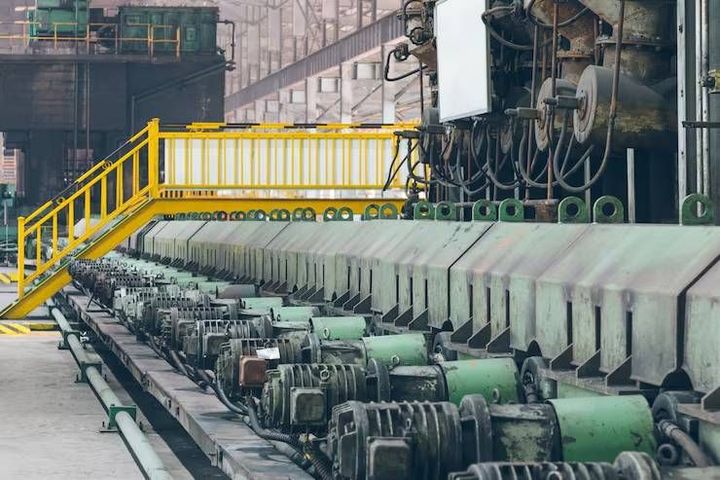
Industrial Production Equipment Overview of Machinery, Tools, and Production Systems
Industrial production equipment plays an important role in modern manufacturing by helping industries transform raw materials into finished products. From heavy machinery and precision tools to automated production systems, industrial equipment supports different stages of manufacturing, assembly, processing, and quality inspection.
Understanding industrial production equipment helps businesses, engineers, and students learn how manufacturing operations function.
As industrial technology continues to develop, production facilities are adopting advanced machinery, robotics, digital monitoring, and energy-efficient systems. These developments are changing how factories manage production activities, improve accuracy, maintain equipment, and monitor workplace safety. This guide explores the fundamentals, importance, recent updates, regulations, and useful resources related to industrial production equipment.
Context
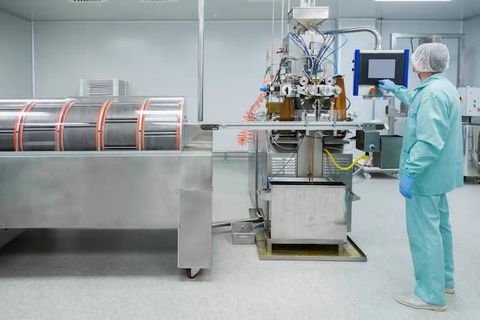
Industrial production equipment refers to the machinery, tools, instruments, and systems used to manufacture, process, assemble, and inspect products. These systems are found in industries such as automotive manufacturing, electronics, food processing, pharmaceuticals, construction materials, textiles, and metal fabrication.
The main purpose of industrial equipment is to support consistent production processes while maintaining product quality and operational efficiency. Different machines perform specific tasks depending on the materials, production requirements, and manufacturing methods.
Industrial production equipment generally includes the following categories:
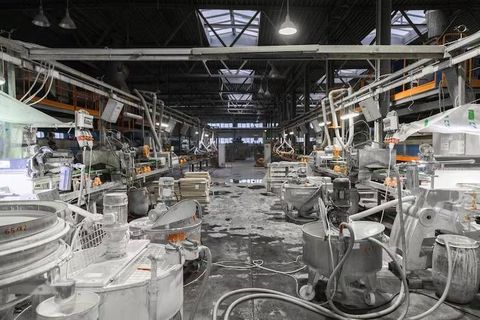
Processing machinery: Equipment used to change the shape, size, or properties of raw materials.
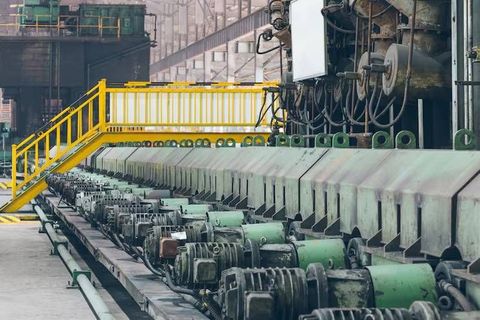
Material handling equipment: Conveyors, cranes, forklifts, and automated guided vehicles used to move materials.
Cutting and forming tools: CNC machines, laser cutters, presses, and drilling equipment.
Assembly equipment: Machinery used to connect individual components into finished products.
Inspection equipment: Measuring instruments, sensors, and testing systems used for quality control.
Packaging machinery: Systems used for filling, sealing, labeling, and packaging manufactured products.
Manufacturing facilities often combine several equipment categories into one production system. The arrangement depends on production volume, product design, available space, and technical requirements.
Importance
Industrial production equipment is important because it supports manufacturing activities across different industries. Modern factories depend on suitable machinery to maintain production schedules, achieve consistent results, and manage complex manufacturing operations.
One major advantage of industrial equipment is process consistency. Automated machines can repeat specific operations with controlled movements and settings. This helps reduce variations between manufactured components.
Industrial machinery also supports workplace productivity by performing repetitive or physically demanding activities. Workers can concentrate on monitoring, programming, inspection, and equipment maintenance.
The importance of production equipment can be understood through several factors:
Production efficiency: Machines support continuous and organized manufacturing activities.
Product quality: Precision equipment helps maintain accurate measurements and specifications.
Workplace safety: Suitable machinery can reduce exposure to certain manual handling risks.
Material management: Handling systems help organize the movement of materials.
Production monitoring: Digital systems provide information about machine performance.
Resource management: Modern equipment can help monitor electricity, water, and material consumption.
Industrial production equipment affects manufacturers, engineers, machine operators, maintenance teams, quality inspectors, and supply chain professionals.
Choosing appropriate equipment requires an understanding of production requirements, technical specifications, available space, maintenance needs, and operator capabilities.
Recent Updates
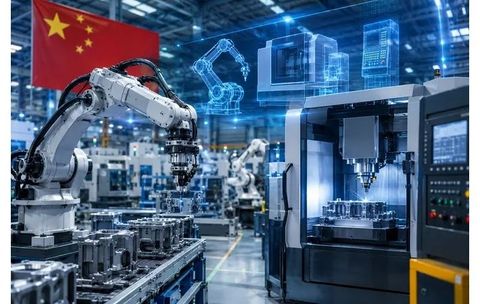
Industrial production equipment is evolving through developments in automation, artificial intelligence, connected sensors, robotics, and digital manufacturing. These technologies are helping manufacturers monitor operations and improve production planning.
Automation and Smart Manufacturing
Automation is becoming an important part of modern industrial production. Programmable logic controllers (PLCs), industrial robots, and automated material handling systems can coordinate different manufacturing activities.
Smart manufacturing combines machinery with digital technologies to collect and analyze production information. Industrial Internet of Things (IIoT) sensors can monitor temperature, vibration, pressure, speed, and energy consumption.
These measurements help operators understand equipment conditions and identify unusual operating patterns.
Artificial Intelligence and Predictive Maintenance
Artificial intelligence is increasingly used to analyze equipment data and identify potential operational problems. Predictive maintenance systems examine information from sensors to estimate when machinery may require inspection or maintenance.
Other important developments include:
Digital twins for virtual equipment monitoring and simulation.
Collaborative robots designed to work alongside human operators.
Advanced CNC systems for precision manufacturing.
Machine vision technology for automated product inspection.
Energy monitoring systems for tracking industrial electricity consumption.
Additive manufacturing equipment for producing complex components.
The following table summarizes major industrial equipment developments.
Technology | Main application | Potential benefit |
|---|---|---|
Industrial robotics | Assembly and handling | Consistent operations |
CNC machinery | Precision machining | Accurate components |
IIoT sensors | Equipment monitoring | Operational visibility |
Digital twins | Virtual simulation | Better process analysis |
Machine vision | Product inspection | Automated quality checks |
Predictive maintenance | Equipment monitoring | Early fault detection |
However, these technologies also introduce challenges involving cybersecurity, employee training, system compatibility, and data management.
Laws or Policies
Industrial production equipment must follow applicable safety, environmental, electrical, and manufacturing regulations. Requirements differ according to the country, industry, machinery type, and workplace activities.
Manufacturers and industrial facility operators should understand the regulations that apply to their equipment before installation and operation.
Some important regulatory frameworks include:
Occupational Safety and Health Administration (OSHA): In the United States, OSHA establishes workplace safety requirements, including machine guarding and hazardous energy control.
European Union Machinery Regulation: Regulation (EU) 2023/1230 establishes requirements for machinery safety and conformity within the European Union. Its main application date is 20 January 2027.
ISO 12100: Provides principles for machinery risk assessment and risk reduction.
ISO 13849: Addresses safety-related parts of machinery control systems.
IEC 60204-1: Covers electrical equipment requirements for industrial machines.
Environmental regulations: Industrial facilities may need to follow rules covering emissions, waste management, noise, and energy use.
In India, industrial machinery operations may be subject to applicable provisions of the Factories Act, 1948, relevant state factory rules, environmental legislation, and the Occupational Safety, Health and Working Conditions Code, 2020, subject to their applicable commencement and implementation status.
Important workplace practices include:
Installing appropriate machine guards and emergency stops.
Providing equipment-specific operator training.
Maintaining electrical and mechanical safety systems.
Conducting regular equipment inspections.
Keeping maintenance and safety records.
Following lockout and tagout procedures where applicable.
Understanding regulatory requirements helps industrial facilities establish safer and more organized manufacturing environments.
Tools and Resources
Several technical resources help engineers, manufacturers, students, and maintenance professionals understand industrial production equipment.
Useful resources include:
Resource | Main purpose |
|---|---|
ISO | International standards for machinery and manufacturing |
OSHA | Workplace and machine safety information |
IEC | Electrical and industrial equipment standards |
NIST | Manufacturing technology and measurement research |
Autodesk Fusion | CAD, CAM, and product design tools |
Siemens TIA Portal | Industrial automation engineering |
Rockwell Automation resources | Industrial control and automation information |
NIOSH | Workplace safety and occupational research |
Other practical tools support daily production activities.
Equipment maintenance checklists help organize regular inspections.
Production planning templates help track manufacturing schedules.
OEE calculators measure overall equipment effectiveness.
Energy monitoring tools help evaluate electricity consumption.
CAD software supports equipment layouts and component designs.
Inventory management systems help monitor spare parts and materials.
When selecting technical resources, users should consider equipment compatibility, documentation quality, industry requirements, and the experience level of operators.
FAQs
1. What is industrial production equipment?
Industrial production equipment includes machinery, tools, instruments, and automated systems used to process materials, manufacture components, assemble products, and inspect finished goods.
2. What are the main types of industrial production machinery?
Common types include CNC machines, cutting equipment, industrial robots, conveyors, hydraulic presses, packaging machines, inspection systems, and material handling equipment.
3. How does automation improve industrial production?
Automation helps coordinate repetitive manufacturing activities, maintain consistent processes, monitor equipment performance, and reduce certain forms of manual intervention.
4. What is predictive maintenance in industrial equipment?
Predictive maintenance uses equipment data, sensors, and analytical techniques to identify possible faults before they cause unexpected machinery interruptions.
5. Which safety standards apply to industrial production equipment?
Relevant standards include ISO 12100, ISO 13849, and IEC 60204-1. Applicable workplace regulations also depend on the country, machinery type, and industrial environment.
Conclusion
Industrial production equipment is an essential part of modern manufacturing. Machinery, precision tools, automated systems, and inspection technologies help industries process materials, assemble products, and maintain production quality. Understanding equipment categories and their applications provides useful knowledge for engineers, manufacturers, students, and industrial professionals.
Technological developments such as artificial intelligence, robotics, digital twins, and connected sensors are creating new possibilities for manufacturing operations. At the same time, equipment safety, regulatory compliance, maintenance planning, and workforce training remain important considerations.
A clear understanding of industrial production machinery helps organizations evaluate manufacturing processes and recognize how technology influences industrial development. Continued improvements in equipment design and production systems will remain important to the future of global manufacturing.