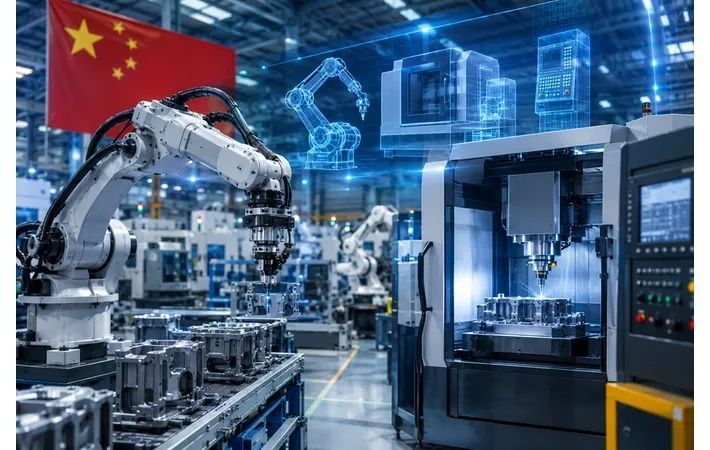
Learn About China Machinery: Types, Uses and Industry Knowledge
China machinery refers to a broad range of equipment designed for manufacturing, construction, agriculture, transportation, energy, packaging, food processing, and other industrial activities.
Learning about China machinery can help readers understand different machine categories, their applications, operating principles, and the technological changes shaping modern industrial production.
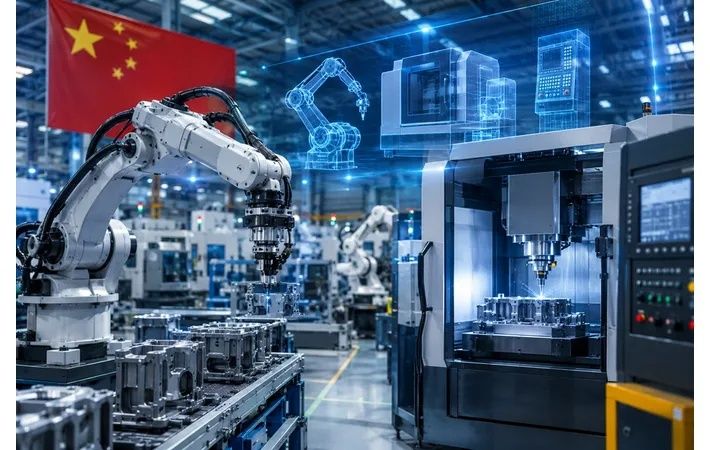
The industry includes traditional mechanical equipment as well as automated, computerized, robotic, and digitally connected systems. From machine tools and agricultural equipment to industrial robots and specialized production machinery, China machinery plays an important role in domestic manufacturing and international industrial supply chains.
Context
China machinery covers equipment used to perform physical, mechanical, electrical, or automated tasks. The category includes both general-purpose machinery and specialized equipment designed for particular industries.
Common categories include:
| Machinery Type | Typical Uses | Common Industries |
|---|---|---|
| Machine Tools | Cutting, drilling, forming and machining | Metalworking, manufacturing |
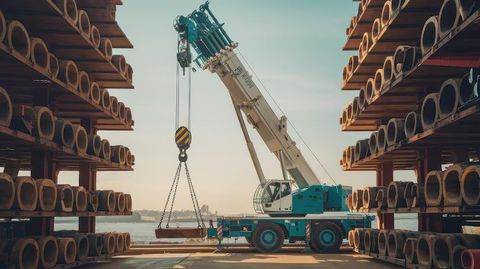
| Construction Machinery | Excavation, lifting and material movement | Construction, infrastructure |
| Agricultural Machinery | Planting, harvesting and field operations | Agriculture |
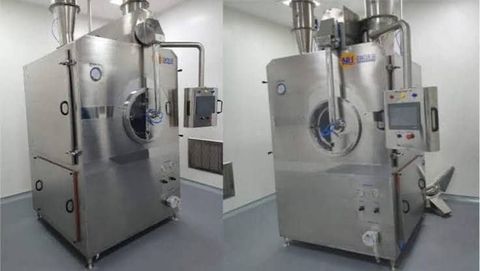
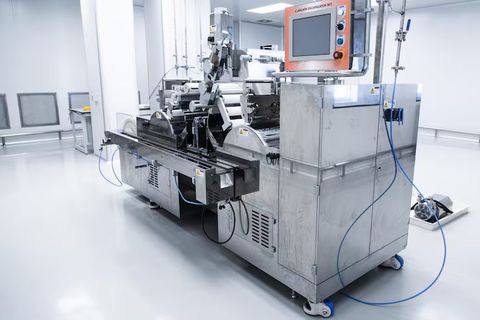
| Packaging Machinery | Filling, sealing, labeling and wrapping | Food, pharmaceuticals |
| Food Processing Machinery | Mixing, processing and preparation | Food production |
| Industrial Robots | Assembly, handling and inspection | Automotive, electronics |
| Pumps and Compressors | Fluid and gas movement | Energy, chemicals, manufacturing |
| Textile Machinery | Spinning, weaving and fabric processing | Textile production |
China's machinery sector developed alongside the country's broader industrialization. Over time, manufacturers expanded from conventional mechanical equipment into computer numerical control systems, automation, robotics, sensors, industrial software, and intelligent manufacturing technologies.
The purpose of machinery varies according to the production environment. Some machines perform a single repetitive operation, while integrated production systems can coordinate several processes using sensors, controllers, software, and automated material handling.
Importance
China machinery is important because industrial equipment directly influences manufacturing capacity, productivity, precision, energy consumption, and workplace processes. Machinery is used across both large industrial facilities and smaller production environments.
The sector also has a significant role in international trade. China's customs data shows machinery and transport equipment as a major part of the country's international trade structure. In 2024, exports included machinery categories such as agricultural machinery, packaging machinery, pumps, bearings, fasteners, and general machines.
Several groups are particularly affected by developments in China machinery:
- Manufacturing companies using production equipment
- Engineers and technical professionals
- Agricultural and construction operators
- Researchers studying industrial technology
- Logistics and supply-chain organizations
- Businesses assessing industrial equipment specifications
- Policymakers concerned with industrial modernization
Machinery also affects resource efficiency. Newer equipment can incorporate improved motors, sensors, controls, automation, and monitoring systems that may help manufacturers manage energy use and production consistency.
Recent Updates
Between 2024 and 2026, several important developments have influenced China's machinery industry. A major theme has been equipment renewal and the transition toward more digital and intelligent production.
In 2024, Chinese authorities introduced an industrial equipment renewal implementation plan. The plan encouraged the replacement of outdated equipment and promoted upgrades involving digital technologies, advanced manufacturing equipment, industrial robots, machine tools, and other production systems. It also set objectives for expanding industrial equipment investment and digitalization by 2027.
During 2025, China's machinery industry recorded continued growth. According to government-reported China Machinery Industry Federation data, the added value of major machinery enterprises increased 8.2% year over year. Industrial robot output increased 28%, reaching a record level.
A 2025–2026 machinery industry growth plan placed additional attention on:
- Manufacturing technology transformation
- Equipment renewal
- Digital transformation
- Industrial robots
- Intelligent inspection equipment
- Industrial mother machines
- Artificial intelligence applications
- Specialized industrial clusters
The plan targets average annual operating-revenue growth of more than 3.5% across 2025 and 2026.
The first quarter of 2026 also showed continued momentum in equipment manufacturing. China's equipment manufacturing industry recorded 6.2% year-on-year growth in added value, while investment and exports also showed positive developments.
These developments indicate a broader movement toward automation, digital manufacturing, intelligent inspection, energy efficiency, and integration between mechanical equipment and industrial information technologies.
Laws or Policies
China machinery is influenced by national industrial policies, technical standards, workplace safety requirements, customs rules, environmental considerations, and product-specific regulations.
One important policy direction is large-scale equipment renewal. China's 2026 equipment renewal policy continues support for equipment upgrades in areas such as industry, electronic information, energy, transportation, logistics, education, healthcare, agriculture, and environmental protection.
Machinery safety standards are another important area. China's GB/T 20850-2025 provides guidance on applying machinery safety standards and took effect on October 1, 2025.
Another relevant standard is GB 39800.10-2025, which addresses personal protective equipment requirements for the machinery industry. It took effect on July 1, 2026.
For international movement of machinery, customs procedures and product classification are important. Equipment may be subject to customs declarations, documentation requirements, technical rules, and destination-country regulations. Requirements can differ depending on the machinery category and destination.
Readers researching a particular machine should therefore check the applicable Chinese standards, customs classification, workplace safety requirements, and regulations in the country where the equipment will be used.
Tools and Resources
Reliable information is useful when researching China machinery specifications, technical standards, industry developments, and regulatory requirements.
Useful resources include:
- China's Ministry of Industry and Information Technology for industrial policies and equipment-related developments
- General Administration of Customs of China for trade statistics and customs information
- State Administration for Market Regulation and National Standards information for Chinese standards
- China Machinery Industry Federation for machinery industry statistics and analysis
- Manufacturer technical documentation for specifications, operating requirements, and machine capabilities
- Engineering calculators for power, capacity, flow rate, load, speed, and energy calculations
When comparing machinery categories, readers should examine technical factors such as rated capacity, operating speed, power requirements, automation level, control systems, materials, safety features, maintenance requirements, and compatibility with existing production processes.
Technical specifications should always be interpreted according to the intended application rather than viewed as isolated numbers.
FAQs
What is China machinery?
China machinery refers to mechanical and industrial equipment manufactured in China. It includes machine tools, construction equipment, agricultural machinery, packaging systems, pumps, robots, food-processing equipment, and many other categories.
What are the main types of China machinery?
Major categories include machine tools, construction machinery, agricultural machinery, industrial robots, packaging machinery, food-processing equipment, textile machinery, pumps, compressors, and specialized industrial machines.
Why is China machinery important to manufacturing?
Machinery supports production, automation, material handling, machining, inspection, packaging, and other industrial processes. Modern equipment can also improve process control and production consistency.
What machinery trends are developing in China?
Important trends from 2024–2026 include equipment renewal, industrial automation, robotics, digital manufacturing, intelligent inspection, artificial intelligence applications, and improved energy efficiency.
Where can technical machinery information be researched?
Government industrial agencies, customs databases, national standards databases, industry associations, engineering references, and technical documentation are useful starting points. Information should be checked against current regulations and applicable standards.
Conclusion
China machinery covers a wide range of equipment used across manufacturing, agriculture, construction, packaging, energy, food processing, and other industries. Understanding machine types, applications, technical characteristics, and safety requirements provides a useful foundation for studying the industry.
From 2024 through 2026, equipment renewal, automation, robotics, digital transformation, and intelligent manufacturing have remained important areas of development. Government policies and technical standards continue to influence how machinery is designed, operated, upgraded, and evaluated.
For readers researching a specific machinery category, the most useful approach is to combine technical specifications with information about application requirements, safety standards, operating conditions, and relevant regulations.
Reliable government databases, industry organizations, standards information, and technical documentation can help provide a more complete understanding of China machinery and its role in modern industrial development.