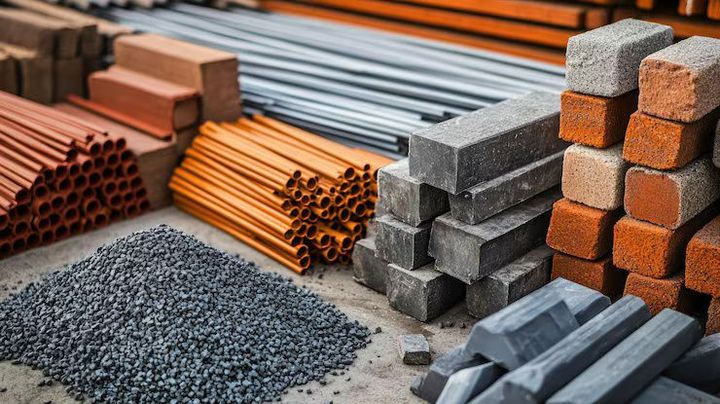
Construction Material Basics: Everything You Need to Know
Construction material forms the foundation of every building, bridge, road, and other structure people use every day. From homes and schools to offices and public spaces, every project depends on materials that match its purpose and environment. Choosing suitable materials helps create structures that remain stable, comfortable, and practical for many years. Modern construction includes a wide range of materials, each with unique characteristics.
Some are valued for strength, while others are selected for appearance, insulation, or resistance to weather. Learning about these materials helps people understand why certain options are used in different situations.
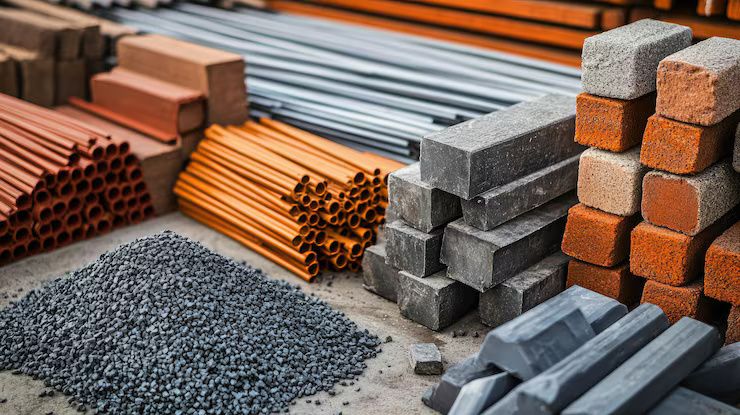
This guide explains common construction materials, their applications, key factors to consider during selection, and current developments shaping the construction industry.
What Is Construction Material?
Construction material refers to any substance used to create or support a building or infrastructure project. These materials may come from natural sources, be manufactured in factories, or combine natural and engineered components.
Every material performs a specific function. Some carry heavy structural loads, while others improve comfort, protect against moisture, reduce heat transfer, or create attractive finishes. A successful project often combines several materials to meet different needs.
Common Types of Construction Material
Many construction projects use a combination of materials rather than relying on a single option. Each material contributes something different to the finished structure.
Concrete
Concrete is one of the most widely used construction materials around the world. It is made by mixing cement, water, sand, and coarse aggregates. Once it hardens, it becomes strong enough to support buildings, bridges, pavements, and foundations.
Concrete performs well under compression and can be shaped into many forms before it sets. Reinforcing it with steel increases its ability to handle tension, making it suitable for larger structures.
Steel
Steel provides excellent strength while allowing designers to create wide spans and tall buildings. It is commonly used in commercial buildings, industrial facilities, bridges, warehouses, and high-rise structures.
Another advantage of steel is that many components are manufactured with precise dimensions before arriving at the construction site, helping improve consistency during assembly.
Brick
Brick has remained an important building material for centuries. It is commonly used for walls, partitions, chimneys, and decorative exterior finishes.
Bricks are known for their durability, fire resistance, and traditional appearance. Different colors, textures, and sizes allow architects to create distinctive designs while maintaining structural reliability.
Wood
Wood continues to play an important role in residential construction. It is frequently used for framing, flooring, roofing components, doors, windows, and interior finishes.
Its natural appearance makes it a popular choice for decorative applications, while engineered wood products provide improved stability for modern construction methods.
Stone
Natural stone is valued for its strength and attractive appearance. Granite, limestone, sandstone, and marble each have unique characteristics suited to different purposes.
Stone is often used for foundations, retaining walls, pathways, flooring, and architectural details. Proper installation helps these structures remain durable for many years.
Glass
Glass allows natural light to enter buildings while creating an open appearance. Modern construction uses various types of glass, including insulated, laminated, and tempered products.
Glass appears in windows, curtain walls, skylights, partitions, and decorative elements. Advances in manufacturing have improved energy efficiency and safety in many applications.
Factors That Influence Material Selection
Selecting construction materials involves balancing several practical considerations rather than focusing on only one characteristic.
Structural Strength
Every building must safely support its own weight along with occupants, furniture, equipment, and environmental forces. Engineers evaluate material strength carefully before making design decisions.
Climate Conditions
Weather plays an important role in material selection. Areas with heavy rainfall require materials that resist moisture, while regions with extreme temperatures benefit from materials that improve insulation and thermal performance.
Durability
Materials should withstand regular use and environmental exposure over time. Resistance to corrosion, insects, moisture, sunlight, and temperature changes contributes to long-term performance.
Maintenance Requirements
Some materials require regular inspections, cleaning, or protective coatings, while others need relatively little maintenance throughout their lifespan. Understanding these needs helps property owners plan future upkeep.
Appearance
Visual appeal remains an important consideration in many projects. Materials influence color, texture, style, and the overall character of a building. Designers often combine multiple materials to create balanced and attractive spaces.
Sustainable Construction Materials
Environmental awareness has encouraged greater interest in materials that reduce resource consumption and environmental impact.
Recycled steel, reclaimed wood, fly ash concrete, bamboo, recycled aggregates, and responsibly sourced timber are examples of materials increasingly used in construction projects.
Many modern buildings also incorporate insulation materials that improve energy efficiency by reducing heating and cooling demands. These choices support lower environmental impact throughout the building's lifespan.
Modern Developments in Construction Materials
Technology continues to improve the performance of construction materials.
Self-healing concrete is designed to reduce small cracks over time through specialized additives. High-performance concrete provides greater strength for demanding applications, while fiber-reinforced composites improve durability in certain structural components.
Three-dimensional printing has also introduced new methods for producing concrete elements with reduced material waste and greater design flexibility.
Digital modeling tools allow engineers and architects to evaluate material performance before construction begins, improving planning and reducing unexpected challenges during the project.
Safety and Quality Standards
Construction materials undergo testing to verify that they meet recognized standards for strength, durability, and safety.
Manufacturers perform laboratory testing on many products before they reach construction projects. Engineers and inspectors also review materials during construction to confirm they match project specifications.
Following recognized standards helps reduce structural risks and supports long-term building performance.
Challenges in Material Selection
Choosing suitable construction materials is not always straightforward. Every project presents unique requirements that influence the decision-making process.
Availability may vary between regions, making some materials easier to obtain than others. Transportation, environmental conditions, building regulations, and project complexity also affect material selection.
Balancing appearance, durability, environmental impact, maintenance needs, and structural performance often requires careful planning among architects, engineers, and construction professionals.
Future Trends
Construction materials continue to evolve as research introduces new technologies and manufacturing methods.
Smart materials that respond to temperature or moisture, carbon-reducing concrete mixtures, improved insulation products, and advanced composite materials are becoming more common in modern construction.
Researchers are also exploring ways to reduce construction waste while improving material efficiency. As technology progresses, buildings may become more durable, energy efficient, and environmentally responsible through continued material innovation.
Conclusion
Construction material plays a central role in every building project, influencing structural strength, appearance, durability, and long-term performance. Concrete, steel, brick, wood, stone, and glass each contribute unique characteristics that suit different applications.
Understanding these materials helps people appreciate how buildings are designed to meet safety, environmental, and functional requirements. As construction technology continues to advance, new materials and improved manufacturing methods are shaping the future of buildings and infrastructure while supporting more sustainable development.