Water Filtration Tech Explained: Types, Benefits, and How It Works
Water is part of almost every daily activity, from drinking and cooking to cleaning and gardening. While water may appear clear, it can still contain tiny particles, minerals, microorganisms, or other unwanted substances. This is why water filtration tech has become an important part of many homes, schools, workplaces, and public facilities. Modern filtration systems use different methods to improve water quality.
Some are designed to remove visible dirt, while others target microscopic contaminants that cannot be seen with the naked eye. Understanding how these technologies work helps people make informed decisions about water quality without needing advanced scientific knowledge.
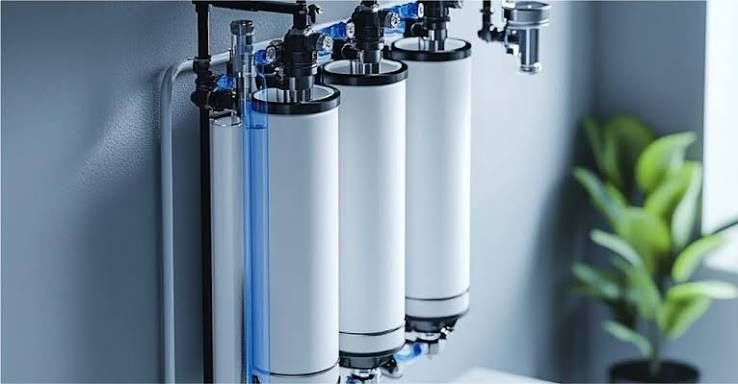
This guide explains the main types of water filtration technology, how they work, where they are commonly used, and the factors to consider when choosing a filtration system.
What Is Water Filtration Tech?
Water filtration tech refers to the tools, equipment, and methods used to remove unwanted substances from water. The goal is to improve water quality for drinking, cooking, industrial processes, agriculture, or other everyday purposes.
Different filtration systems are designed for different challenges. One system may focus on reducing sediment, while another may target bacteria, heavy metals, chlorine, or dissolved minerals. Because water sources vary from one location to another, there is no single filtration method that works for every situation.
Why Water Filtration Matters
Clean water supports health, food preparation, sanitation, and many industrial activities. Even when water meets local quality standards, filtration can improve its taste, appearance, or odor.
Water filtration also helps protect household appliances by reducing sediment and mineral buildup. In larger facilities, filtration equipment can improve operational efficiency by supplying cleaner water for manufacturing and processing activities.
How Water Filtration Works
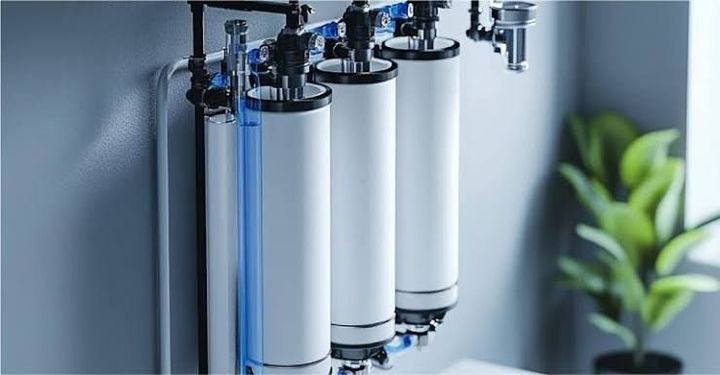
Filtration systems work by allowing water to pass through one or more treatment stages. Each stage targets specific types of contaminants.
For example:
- Physical filters capture dirt, sand, and rust.
- Carbon filters reduce chlorine and unwanted odors.
- Membranes separate tiny contaminants from water.
- Ultraviolet light helps reduce microorganisms.
- Specialized media target heavy metals or dissolved minerals.
Many modern systems combine several technologies into one unit to improve overall water quality.
Common Types of Water Filtration Technology
Sediment Filtration
Sediment filters are often the first stage in a filtration system. They capture larger particles such as sand, rust, dirt, and silt before water reaches additional treatment stages.
These filters help protect other filtration components from clogging and extend their working life.
Common applications include:
- Residential plumbing
- Well water systems
- Commercial buildings
- Industrial facilities
Activated Carbon Filtration
Activated carbon filters are widely used because they improve the taste and smell of water. Their porous structure traps many organic compounds while reducing chlorine.
These filters are commonly found in:
- Kitchen filtration units
- Refrigerator water dispensers
- Under-sink systems
- Whole-house filtration equipment
Although activated carbon improves water quality in many situations, it is often combined with additional filtration methods for broader treatment.
Reverse Osmosis
Reverse osmosis, often called RO, uses a semi-permeable membrane to separate many dissolved substances from water.
The process pushes water through extremely small openings while leaving many contaminants behind.
Reverse osmosis systems are commonly used for:
- Drinking water
- Food preparation
- Laboratory applications
- Medical facilities
- Industrial production
Because RO removes many dissolved minerals, some systems include a final stage that adjusts water characteristics before use.
Ultraviolet (UV) Purification
Ultraviolet purification uses UV light to reduce bacteria, viruses, and other microorganisms.
Instead of filtering particles physically, UV technology changes the DNA of microorganisms, limiting their ability to reproduce.
UV systems work most effectively when water is already clear, which is why they are often paired with sediment and carbon filters.
Ultrafiltration
Ultrafiltration uses membranes with slightly larger pores than reverse osmosis membranes.
It can remove:
- Suspended solids
- Many bacteria
- Some viruses
- Fine particles
Unlike reverse osmosis, ultrafiltration generally allows more naturally occurring minerals to remain in the water.
Ceramic Filters
Ceramic filters contain tiny pores that block many bacteria and suspended particles.
These filters have been used for many years and continue to be popular in locations where simple filtration systems are preferred.
Many ceramic filters include additional activated carbon layers for improved performance.
Ion Exchange Technology
Ion exchange replaces certain dissolved minerals with other ions.
This technology is commonly used to reduce water hardness caused by calcium and magnesium.
Water softening systems are one example of ion exchange technology in everyday use.
Multi-Stage Filtration Systems
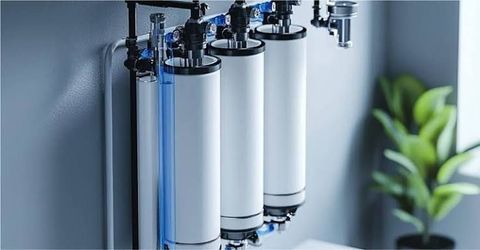
Many modern filtration units combine several technologies into one system.
A typical multi-stage system may include:
- Sediment filter
- Activated carbon filter
- Reverse osmosis membrane
- Carbon polishing filter
- UV purification
Each stage addresses different water quality concerns, creating a more comprehensive treatment process.
Water Filtration in Everyday Life
Water filtration technology is used in many different environments.
Homes
Residential systems improve drinking water, cooking water, and water used for household appliances.
Schools
Educational facilities often install filtration systems to support safe drinking water for students and staff.
Healthcare Facilities
Hospitals and clinics rely on purified water for various medical applications where water quality is especially important.
Manufacturing
Many manufacturing processes require carefully treated water to maintain product quality and protect equipment.
Agriculture
Filtration systems help irrigation equipment operate efficiently by reducing clogging caused by sediment and debris.
Choosing the Right Filtration System
Selecting a filtration system depends on several factors.
Water Source
Water from municipal supplies and private wells can have different characteristics. Understanding the source helps determine appropriate filtration methods.
Water Quality
Testing water provides useful information about minerals, sediment, chlorine, or other substances that may require treatment.
Household Size
The number of people using water each day affects the capacity needed for a filtration system.
Maintenance
Every filtration system requires regular maintenance. Replacing filter cartridges and inspecting equipment helps maintain consistent performance.
Installation Space
Some systems fit under a kitchen sink, while others require larger installation areas for whole-building filtration.
Maintaining Water Filtration Equipment
Proper maintenance supports consistent filtration performance.
Important maintenance practices include:
- Replacing filters according to manufacturer recommendations
- Cleaning system components when appropriate
- Monitoring water flow
- Inspecting for leaks
- Scheduling periodic water quality testing
Ignoring maintenance may reduce filtration effectiveness over time.
Environmental Considerations
Modern water filtration technology continues to evolve with greater attention to environmental responsibility.
Some newer systems focus on:
- Improved water efficiency
- Longer-lasting filter materials
- Reduced plastic waste
- Lower energy consumption
- More recyclable filtration components
These developments aim to improve sustainability while maintaining reliable water treatment.
Future Trends in Water Filtration Tech
Research continues to improve filtration technology through new materials and smarter monitoring systems.
Emerging developments include:
- Smart filtration systems with digital monitoring
- Advanced membrane materials
- Nanotechnology-based filtration
- Improved contaminant detection
- Automated maintenance alerts
These innovations may make water filtration more efficient and easier to monitor in homes and commercial settings.
Final Thoughts
Water filtration tech plays an important role in improving water quality across homes, schools, healthcare facilities, agriculture, and manufacturing environments. Different filtration methods are designed to address different types of contaminants, which is why many modern systems combine several technologies into one solution.
Understanding how sediment filters, activated carbon, reverse osmosis, ultraviolet purification, ultrafiltration, ceramic filters, and ion exchange work makes it easier to recognize the strengths of each approach. Regular maintenance, suitable system selection, and awareness of local water conditions all contribute to consistent filtration performance.
As technology continues to advance, water filtration systems are becoming more efficient, easier to monitor, and better suited to a wide variety of everyday applications.