Copper Jewellery Tips: How to Choose, Wear, and Maintain Copper Accessories
Copper jewellery refers to accessories made from copper metal, including rings, bracelets, necklaces, and earrings. Copper has been used in decorative items and ornaments for thousands of years due to its distinctive reddish-brown color, malleability, and durability. Ancient civilizations such as those in Egypt, Mesopotamia, and India used copper not only for tools but also for adornment and artistic expression.
Copper jewellery remains popular in modern times due to its natural aesthetic and versatility. It pairs well with both traditional and contemporary fashion styles, making it a preferred choice for many individuals.
The warm tone of copper complements a wide range of clothing colors and materials. Designers often combine copper with stones, beads, or other metals to create visually appealing accessories.
Copper jewellery is part of a broader category of metal accessories, including silver, stainless steel, brass, and gold. Unlike many other metals, copper develops a natural patina over time, creating unique color variations.
Common Types of Copper Jewellery
Copper jewellery is available in a variety of forms, ranging from simple to highly detailed designs. These variations depend on craftsmanship and design techniques.
- Copper bracelets and bangles
- Copper rings
- Copper necklaces and pendants
- Copper earrings
- Copper anklets
Why Copper Jewellery Matters Today
Copper jewellery remains relevant because it aligns with modern trends such as sustainability and handcrafted fashion. Many individuals prefer natural metals that provide a distinctive look without relying on synthetic materials.
This topic is important as it connects with multiple areas of interest in modern lifestyles. It also reflects a growing appreciation for artisanal craftsmanship.
Key Areas of Relevance
- Sustainable fashion
- Handmade craftsmanship
- Metalworking traditions
- Personal style and accessories
Copper is widely recognized as a recyclable metal, which makes it appealing in environmentally conscious markets. Its adaptability also allows it to be polished for a shiny look or left to develop a vintage patina.
Copper jewellery also holds cultural importance in regions such as South Asia, Africa, and Europe. It is often associated with traditional attire and ceremonial wear.
Practical Advantages
- Durable when properly maintained
- Unique color and texture
- Compatible with various fashion styles
- Can be reshaped and engraved
However, copper jewellery may tarnish or cause skin discoloration if not maintained properly. Proper care techniques are essential to preserve its appearance.
Recent Trends and Developments
Copper jewellery gained increased attention during 2024 and 2025 due to emerging fashion trends. Designers are experimenting with new styles and techniques to enhance its appeal.
Mixed-metal jewellery has become particularly popular, combining copper with stainless steel, silver, or brass. This approach creates contrast and adds visual interest to accessories.
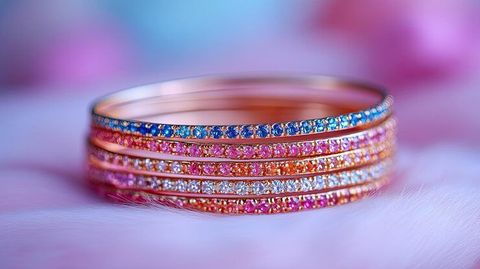
Minimalist designs are also trending, focusing on simple shapes such as thin bangles and geometric pendants. Social media platforms have further amplified interest by showcasing handcrafted metalwork processes.
Environmental awareness is influencing design choices, with recyclable metals like copper gaining importance. Technological advancements such as laser engraving also enable detailed designs while maintaining durability.
Copper Jewellery Design Trends (2025)
| Trend Category | Description | Popularity in 2025 |
|---|---|---|
| Minimalist Designs | Simple rings and bangles | High |
| Mixed Metal Jewelry | Copper combined with silver or steel | High |
| Textured Surfaces | Hammered or brushed finishes | Moderate |
| Geometric Shapes | Abstract patterns like circles and triangles | High |
Regulations and Policies Affecting Metal Jewellery
Copper jewellery production is influenced by regulations that vary by country. These regulations ensure safety and limit harmful substances in jewellery products.
Copper itself is generally safe, but alloys may contain restricted metals such as lead, cadmium, or nickel. Governments enforce standards to protect consumers and ensure product quality.
Examples of Regulations
- European Union REACH regulations limit hazardous substances
- U.S. Consumer Product Safety Commission (CPSC) monitors children’s jewellery
- Environmental laws promote responsible metal sourcing
Environmental policies also encourage recycling of metals like copper. Cultural heritage regulations in some regions protect traditional jewellery-making practices.
Helpful Tools and Resources for Copper Jewellery Care
Proper care is essential to maintain copper jewellery’s appearance and durability. Basic tools and techniques can significantly extend its lifespan.
Common Jewellery Care Tools
- Soft polishing cloths
- Anti-tarnish storage pouches
- Microfiber cleaning cloths
- Moisture-controlled storage boxes
These tools help reduce oxidation and prevent damage. Educational resources also provide guidance on cleaning and maintaining copper jewellery.
Useful Learning Resources
- Jewellery association care guides
- Online metalworking tutorials
- Maintenance checklists
- Material science websites
Copper Jewellery Maintenance Guide
| Maintenance Practice | Purpose |
|---|---|
| Regular polishing | Removes oxidation and restores shine |
| Dry storage | Reduces moisture exposure |
| Separate storage | Prevents scratches |
| Gentle cleaning | Removes dirt and oils |
Frequently Asked Questions About Copper Jewellery
Why does copper jewellery leave a green mark?
Copper reacts with moisture and sweat, forming a green residue. This is a natural and harmless reaction that can be minimized with proper care.
How can copper jewellery be cleaned safely?
Use a soft cloth and mild cleaning solution designed for metals. Avoid abrasive materials that may scratch the surface.
Does copper jewellery tarnish over time?
Yes, copper oxidizes when exposed to air and moisture. This creates a patina, which some people appreciate for its vintage look.
Can copper jewellery be worn daily?
Yes, it can be worn regularly with proper maintenance. Cleaning and correct storage help preserve its appearance.
Is copper jewellery compatible with other metals?
Yes, copper pairs well with metals like silver and stainless steel. Mixed-metal jewellery is a popular trend.
Practical Tips for Choosing and Wearing Copper Jewellery
Choosing the right copper jewellery involves considering both design and durability. These factors help ensure long-term usability and comfort.
Key Considerations
- Metal thickness for durability
- Smooth finishing to avoid scratches
- Secure clasps for safety
- Comfortable weight for extended wear
Copper jewellery pairs well with various clothing styles, including casual and traditional outfits. Its warm tone complements earthy colors like brown, green, beige, and deep red.
Individuals can choose between polished copper for a bright look or aged copper for a vintage style. Both options offer unique visual appeal depending on personal preference.
Conclusion
Copper jewellery represents a long-standing tradition that continues to evolve in modern fashion. Its distinctive color and versatility make it a popular choice for various accessories.
Growing interest in sustainability, handcrafted products, and innovative designs has increased its relevance. Proper care and awareness of regulations help maintain its quality and safety.
By understanding its features, trends, and maintenance techniques, individuals can fully appreciate copper jewellery. This knowledge ensures both aesthetic value and long-term usability.