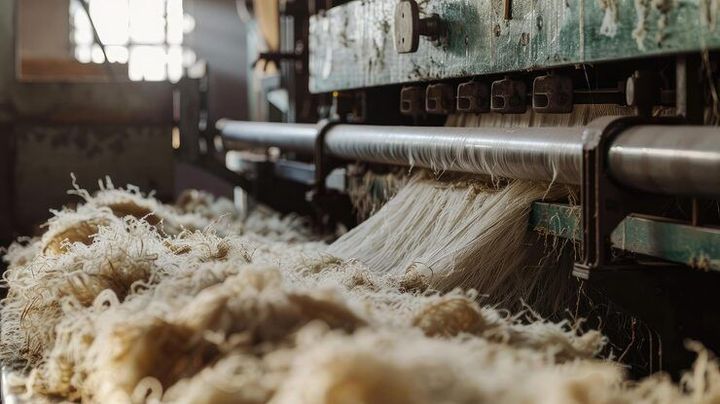
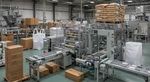
Cotton naturally grows with seeds embedded in its fibers. Cotton ginning machines are designed to efficiently remove these seeds while preserving fiber quality. The cleaned fiber is then compressed into bales and prepared for spinning into yarn .
Historically, cotton separation was done manually, making the process slow and labor-intensive. The introduction of mechanical ginning equipment significantly improved production speed and consistency. Today, modern cotton processing systems operate as integrated units for efficiency and quality control .
Key Components of Modern Ginning Systems
Modern cotton processing equipment typically includes:
-
Pre-cleaning systems
-
Drying units
-
Gin stands (roller gin or saw gin)
-
Lint cleaners
-
Baling presses
These components work together to ensure efficient fiber separation, minimal damage, and standardized output.
Importance
Cotton ginning machines play a critical role in the agricultural and textile industries. Cotton is one of the most widely used natural fibers, supporting applications in clothing, medical textiles, home furnishings, and industrial fabrics .
This topic is increasingly relevant due to rising global textile demand and the need for consistent fiber quality. Efficient ginning helps maintain crop value for farmers and ensures reliable raw materials for manufacturers.
Key Impacts of Ginning Machines
Cotton ginning machines directly influence:
-
Fiber length and strength
-
Seed recovery efficiency
-
Production throughput
-
Energy consumption
-
Environmental footprint
Poor ginning practices can damage fiber quality and lead to defects in textile products. Efficient systems improve bale uniformity and reduce contamination.
Recent Updates
Recent developments in 2024 and early 2025 have transformed cotton ginning technology. Automation and digital monitoring systems are now widely integrated into modern facilities.
Key Technological Advancements
Smart sensors are used to monitor:
-
Moisture levels
-
Fiber quality indicators
-
Machine vibration
-
Temperature fluctuations
Automated bale management systems introduced in 2025 improve traceability and reduce manual intervention. Energy-efficient motor systems and variable frequency drives (VFDs) are also being adopted to reduce electricity consumption.
Environmental sustainability has become a major focus, with improved dust control and waste management systems being implemented to meet updated regulations.
Laws and Policies
Cotton ginning operations are governed by a range of regulations related to safety, environment, and product quality. These rules vary across countries but share common objectives.
Common Regulatory Areas
-
Workplace safety standards
-
Dust emission control
-
Noise exposure limits
-
Waste management policies
-
Cotton grading standards
In countries like the United States, safety regulations focus on machine operation and air quality. In India, pollution control guidelines monitor emissions and industrial waste management .
International trade also requires compliance with bale labeling and traceability standards to ensure transparency in global supply chains.
Tools and Resources
Modern cotton ginning operations rely on various tools and digital platforms to improve efficiency and monitoring.
Common Tools Used
-
Agricultural monitoring software
-
Moisture analysis devices
-
Fiber testing systems (HVI)
-
Bale tracking software
-
Energy monitoring dashboards
-
Automation control panels
Key Technical Metrics
Important measurements during ginning include:
-
Staple length
-
Micronaire value
-
Fiber strength
-
Trash content percentage
-
Moisture level
Comparison of Ginning Systems
| Gin Type | Best For | Fiber Impact | Production Scale |
|---|
| Roller Gin | Long-staple cotton | Gentle handling | Moderate |
| Saw Gin | Short- to medium-staple | Higher throughput | Large-scale |
Basic Cotton Ginning Workflow
-
Raw cotton intake and cleaning
-
Drying and moisture adjustment
-
Fiber and seed separation
-
Lint cleaning
-
Bale pressing and labeling
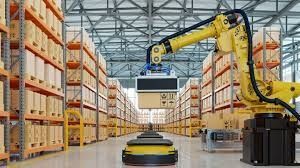
Automation systems now enable centralized control, improving data tracking and operational efficiency.
Industry Data Overview
Modern cotton ginning facilities focus on several operational priorities to stay competitive and sustainable.
Operational Priorities (2025)
| Priority Area | Industry Focus Level |
|---|
| Fiber Quality Control | High |
| Energy Efficiency | High |
| Automation Integration | High |
| Environmental Compliance | High |
| Manual Labor Reduction | Moderate |
These priorities reflect broader trends in smart manufacturing and sustainable agriculture.
Frequently Asked Questions
What is the main function of a cotton ginning machine?
A cotton ginning machine separates fibers from seeds, preparing the cotton for textile manufacturing.
What is the difference between roller gin and saw gin?
Roller gins are used for long-staple cotton and provide gentler handling. Saw gins are suitable for short- and medium-staple cotton and support higher production volumes.
Why is moisture control important during ginning?
Proper moisture levels prevent fiber damage, reduce breakage, and improve bale quality.
How does automation improve cotton ginning operations?
Automation enhances monitoring, reduces human error, and enables real-time performance tracking.
Are cotton ginning machines environmentally regulated?
Yes, regulations typically cover dust emissions, waste management, noise levels, and worker safety.
Technical Insights for Beginners
Understanding cotton ginning is essential for anyone entering the textile or agricultural sector. The ginning process directly affects fiber quality and overall textile performance.
Key Factors Influenced by Ginning
-
Fiber uniformity
-
Yarn strength
-
Fabric appearance
-
Production efficiency
Modern systems use programmable logic controllers (PLCs) to maintain consistent machine performance. These systems help ensure stable output even in high-volume operations.
Beginners should also learn basic fiber testing terms such as micronaire, staple length, and tensile strength, as these determine cotton suitability for different applications.
Conclusion
Cotton ginning machines are essential to the global textile and agricultural ecosystem. They enable efficient fiber separation while maintaining quality standards required for spinning and weaving .
Advancements in automation, energy efficiency, and environmental compliance have modernized the industry in recent years. As global demand for high-quality textiles grows, cotton ginning technology will continue to play a central role in sustainable and efficient production systems.