Industrial Fluid Control Basics: Everything You Need to Know
Industrial fluid control plays a critical role in modern manufacturing, processing, and infrastructure systems. From water treatment plants to chemical industries, managing the movement, pressure, and direction of fluids ensures efficiency, safety, and consistent output. Understanding the basics of industrial fluid control helps businesses and professionals make informed decisions about system design and performance.
Fluid control systems deal with liquids, gases, and sometimes slurries. These systems rely on a combination of valves, actuators, sensors, and controllers to regulate flow. Whether it is maintaining pressure in pipelines or controlling chemical dosing, the importance of fluid power control continues to grow across industries.
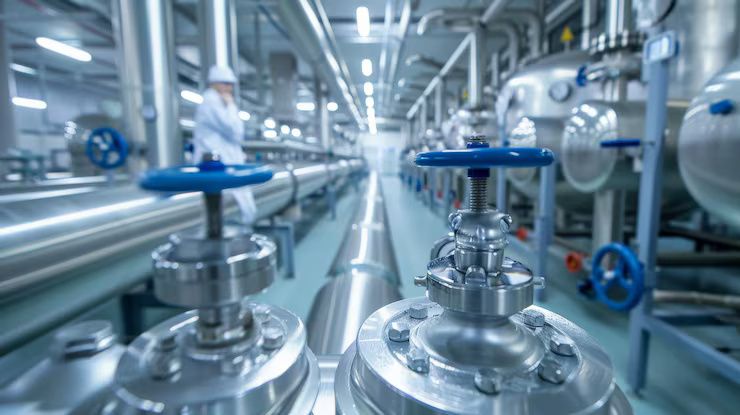
What is Industrial Fluid Control?
Industrial fluid control refers to the technologies and processes used to regulate the flow and behavior of fluids within a system. These systems are designed to ensure that fluids move in a controlled manner, maintaining the desired pressure, temperature, and direction.
Fluid control is commonly used in industries such as oil and gas, food processing, pharmaceuticals, and power generation. Companies like Burkert Fluid Control Systems and Sandur Fluid Controls are known for developing advanced solutions in this field.
The goal is not only to transport fluids but also to optimize performance while reducing waste and energy consumption. With automation becoming more widespread, industrial fluid control systems are now more precise and adaptable than ever before.
Key Components of Fluid Control Systems
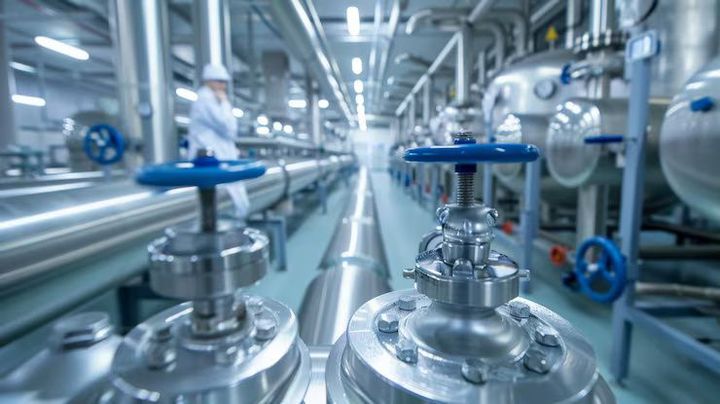
Fluid control systems consist of several interconnected components that work together to manage flow and pressure. Each part plays a specific role in ensuring smooth operation.
- Valves: Control the direction and flow rate of fluids
- Actuators: Convert energy into motion to operate valves
- Sensors: Monitor parameters like pressure, temperature, and flow
- Controllers: Process data and adjust system behavior accordingly
- Pipes and fittings: Provide pathways for fluid movement
Among these, solenoid valves are widely used for automated control. Products like the Deltrol Fluid Products Solenoid Coil are essential in enabling fast and reliable valve operation.
Types of Fluid Control Valves
Valves are one of the most important elements in any fluid control system. Different valve types are used depending on the application and fluid characteristics.
- Ball valves: Provide quick shut-off with minimal pressure drop
- Gate valves: Suitable for on/off control with low resistance
- Globe valves: Ideal for regulating flow
- Check valves: Prevent backflow
- Solenoid valves: Enable automated control using electrical signals
Each valve type is selected based on factors such as pressure rating, fluid type, and required precision.
Fluid Power Control Systems
Fluid power control uses pressurized fluids to generate and transmit power. This includes both hydraulic and pneumatic systems.
Hydraulic systems use liquids, typically oil, to transmit force. They are commonly used in heavy machinery due to their high शक्ति output. Pneumatic systems, on the other hand, use compressed air and are preferred for lighter applications due to their speed and cleanliness.
Fluid power control systems are widely used in automation, robotics, and manufacturing processes. They offer precise control and high efficiency when properly designed.
Applications of Industrial Fluid Control
Industrial fluid control systems are used in a wide range of industries. Their adaptability makes them essential in both small-scale and large-scale operations.
- Water treatment: Regulating flow and chemical dosing
- Oil and gas: Managing pipelines and refining processes
- Food and beverage: Ensuring hygiene and controlled processing
- Pharmaceuticals: Maintaining precise flow and sterile conditions
- Power plants: Controlling steam and cooling systems
These applications require systems that are reliable, durable, and capable of handling different types of fluids under varying conditions.
Benefits of Efficient Fluid Control Systems
Efficient fluid control systems provide several advantages that directly impact productivity and safety.
- Improved process accuracy
- Reduced energy consumption
- Enhanced safety and risk management
- Lower maintenance requirements
- Better system reliability
By optimizing fluid movement, industries can achieve consistent results while minimizing downtime and operational issues.
Basic Working Principle
The working principle of industrial fluid control is based on regulating flow using mechanical or automated components. Sensors collect real-time data, which is processed by controllers. These controllers then send signals to actuators, which adjust valves accordingly.
This continuous feedback loop ensures that the system maintains desired conditions. For example, if pressure exceeds a set limit, the system automatically reduces flow to stabilize it.
Common Challenges in Fluid Control
Despite its advantages, industrial fluid control comes with certain challenges that must be managed effectively.
- Leakage: Can lead to loss of efficiency and safety risks
- Corrosion: Affects system durability
- Pressure fluctuations: Can damage equipment
- Contamination: Impacts fluid quality and system performance
Addressing these challenges requires proper system design, regular monitoring, and maintenance.
Industrial Fluid Control System Overview Table
| Component Type | Function | Common Use Case |
|---|---|---|
| Valves | Control flow and direction | Pipeline systems |
| Actuators | Operate valves automatically | Automated production lines |
| Sensors | Measure system parameters | Monitoring pressure and flow |
| Controllers | Manage system operations | Process automation |
| Solenoid Coils | Enable electromagnetic actuation | Fast valve switching |
This table provides a simplified overview of the main components and their roles within a fluid control system.
Importance of Automation in Fluid Control
Automation has transformed the way fluid control systems operate. Modern systems use advanced software and digital controllers to manage complex processes with high accuracy.
Automated systems reduce human intervention, which helps minimize errors and improve consistency. They also allow remote monitoring and control, making it easier to manage large-scale operations.
In industries where precision is critical, such as pharmaceuticals and chemical processing, automation ensures that processes remain within strict parameters.
Future Trends in Industrial Fluid Control
The future of industrial fluid control is driven by innovation and technological advancements. Several trends are shaping the industry.
- Integration with IoT for real-time monitoring
- Use of smart sensors and predictive maintenance
- Increased focus on energy efficiency
- Development of compact and modular systems
- Adoption of AI for process optimization
These trends are helping industries achieve higher levels of efficiency and sustainability.
How to Choose the Right Fluid Control System
Selecting the right system depends on several factors. Understanding these considerations helps in making better decisions.
- Type of fluid (liquid, gas, or slurry)
- Operating pressure and temperature
- Required flow rate
- Level of automation needed
- Environmental conditions
A well-designed system ensures long-term reliability and performance.
Maintenance and Best Practices
Proper maintenance is essential for the smooth operation of fluid control systems. Regular inspection and timely replacement of components can prevent major issues.
- Check for leaks and wear regularly
- Clean filters and pipelines
- Monitor pressure and flow levels
- Replace damaged components promptly
Following these practices helps extend system lifespan and maintain efficiency.
Conclusion
Industrial fluid control is a fundamental aspect of modern industrial operations. It ensures that fluids are managed efficiently, safely, and accurately across various applications. With advancements in technology, fluid control systems are becoming more intelligent and adaptable.
Understanding the basics, components, and applications of fluid power control allows industries to optimize their processes and improve overall performance. As innovation continues, industrial fluid control will remain a key driver of efficiency and sustainability in multiple sectors.