The development of crop monitoring technology is closely linked to precision agriculture, which uses data, sensors, and digital tools to improve farming efficiency. These technologies enable farmers to manage crops more accurately and respond to changing environmental conditions.
Crop health monitoring sensors were introduced to overcome the limitations of traditional farming methods. Manual observation often fails to detect early signs of plant stress, while sensors can analyze environmental variables and identify issues sooner.
How Crop Monitoring Sensors Work
Role of Sensors in Agriculture
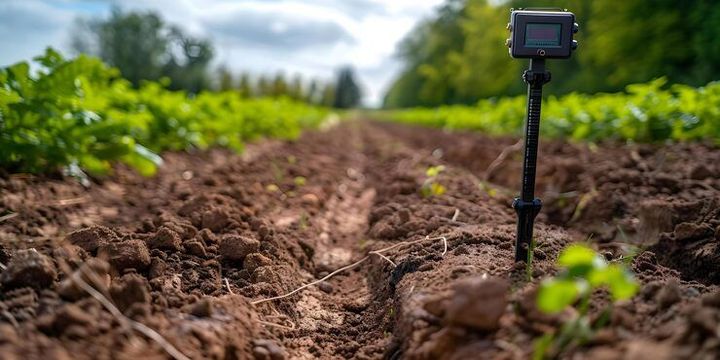
Crop monitoring sensors collect real-time data from the field, allowing farmers and researchers to understand crop performance more effectively. These sensors measure factors such as soil moisture, temperature, and plant health indicators.
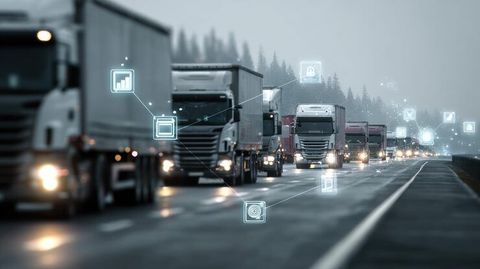
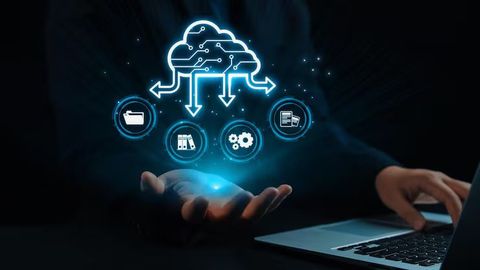
They are often integrated into connected systems that include wireless networks, satellite imagery, and farm management platforms. This integration enables continuous monitoring and better decision-making.
Common Types of Sensors
Different types of sensors are used depending on the agricultural need. Each sensor focuses on specific environmental or plant conditions.
-
Soil moisture sensors
-
Temperature and humidity sensors
-
Chlorophyll sensors
-
Multispectral and hyperspectral imaging sensors
-
Leaf wetness sensors
-
Nutrient detection sensors
These sensors can be installed in fields, mounted on drones, or integrated into irrigation and machinery systems.
Why Crop Health Monitoring Technology Matters
Modern agriculture faces challenges such as climate variability, soil degradation, and increasing food demand. Crop monitoring sensors help address these issues by providing accurate and timely data.
One of the key advantages is early detection of crop stress. Plants can experience stress due to multiple factors:
-
Water shortages
-
Nutrient deficiencies
-
Pest or disease outbreaks
-
Temperature fluctuations
-
Soil salinity
Sensors detect subtle changes before visible symptoms appear, allowing farmers to act quickly and prevent damage.
Benefits for Stakeholders
Crop monitoring technology impacts multiple groups within the agricultural ecosystem:
-
Farmers and agricultural producers
-
Agronomists and crop scientists
-
Agricultural researchers
-
Environmental monitoring organizations
-
Food supply chain stakeholders
The data collected also supports long-term planning in food security and climate adaptation strategies.
Recent Developments in Smart Farming Sensors
The agricultural technology sector saw major advancements in 2024 and 2025. Innovations in artificial intelligence, IoT, and satellite systems have improved the capabilities of crop monitoring sensors.
Key Trends
Several important trends have emerged in smart farming:
-
AI-powered crop analysis for predictive insights
-
Increased use of drone-based multispectral sensors
-
Expansion of satellite-assisted crop monitoring
-
Improved soil nutrient detection technologies
-
Real-time disease identification systems
-
Longer battery life for wireless sensors
-
Edge computing for on-farm data processing
Farmers are also adopting smart irrigation systems that automatically adjust water usage based on sensor data and weather forecasts.
Regulations and Agricultural Policies
Crop monitoring technology operates within agricultural policies designed to improve sustainability and efficiency. Governments worldwide are encouraging the use of precision agriculture tools.
Environmental regulations promote reduced use of fertilizers and pesticides. Sensors help achieve this by enabling precise application based on real-time data.
Key Policies by Country
| Country | Policy Name | Purpose |
|---|
| United States | USDA Precision Agriculture Programs | Supports digital agriculture research |
| European Union | Common Agricultural Policy (CAP) | Promotes sustainable farming practices |
| India | Digital Agriculture Mission (2021–2025) | Encourages adoption of agricultural tech |
| Australia | National Smart Farms Program | Supports technology-driven farming methods |
The Digital Agriculture Mission in India focuses on integrating sensors, remote sensing, and data platforms into farming systems.
Tools and Resources for Crop Monitoring
Modern agriculture relies on various tools to support crop monitoring and data analysis. These tools help farmers collect and interpret data efficiently.
Common Technology Tools
-
Farm management software platforms
-
Satellite crop monitoring systems
-
Agricultural data analytics dashboards
-
Soil analysis tools
-
Weather monitoring platforms
-
Agricultural mapping software
Many systems combine these tools into integrated platforms for better usability.
Example Tools and Functions
| Tool Type | Function |
|---|
| Satellite monitoring platforms | Provide large-scale crop health analysis |
| Farm management software | Organizes agricultural data and planning |
| IoT sensor networks | Collect real-time field data |
| Agricultural weather systems | Track rainfall, humidity, and temperature |
| Soil nutrient analyzers | Measure soil chemical composition |
Types of Data Collected
Crop monitoring sensors gather a wide range of environmental and plant data:
-
Soil moisture levels
-
Soil nutrient concentration
-
Leaf temperature
-
Chlorophyll content
-
Sunlight intensity
-
Rainfall and humidity
This data helps generate insights into crop growth and environmental conditions.
Frequently Asked Questions
What are crop health monitoring sensors?
Crop health monitoring sensors are devices that measure environmental and plant conditions to assess crop health. They track factors such as soil moisture, temperature, and nutrient levels.
How do these sensors help farmers?
They provide real-time data that helps farmers detect stress early, optimize irrigation, and improve overall crop management.
What technologies are used in crop monitoring?
Common technologies include IoT sensors, drones, satellite imagery, artificial intelligence, and agricultural data platforms.
Can sensors detect plant diseases?
Yes, advanced sensors and imaging systems can identify early signs of disease by analyzing plant behavior and reflectance patterns.
Are these sensors used in precision agriculture?
Yes, they are a core component of precision agriculture, enabling accurate and efficient crop management.
Data Trends in Smart Farming
The adoption of smart farming technologies continues to grow worldwide. Different technologies show varying growth trends.
| Technology Area | Growth Trend |
|---|
| IoT agricultural sensors | High growth |
| Satellite monitoring | Moderate growth |
| Drone-based imaging | High growth |
| AI agricultural analytics | Rapid growth |
These technologies together provide deeper agricultural insights and improve decision-making.
Conclusion
Crop health monitoring sensors play a vital role in modern agriculture by providing real-time insights into crop and environmental conditions. They enable farmers to respond quickly to challenges and improve productivity.
Advancements in AI, IoT, and satellite technologies are accelerating the adoption of these systems. At the same time, government policies are supporting sustainable and data-driven farming practices.
As agriculture evolves, these sensors will remain essential for improving efficiency, ensuring food security, and promoting sustainable farming.