Crystal Encrusted Bracelets Overview: Designs, Craftsmanship, and Fashion Insights
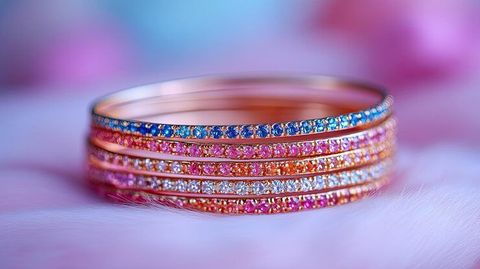
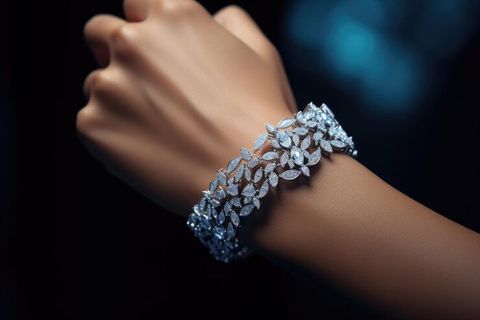
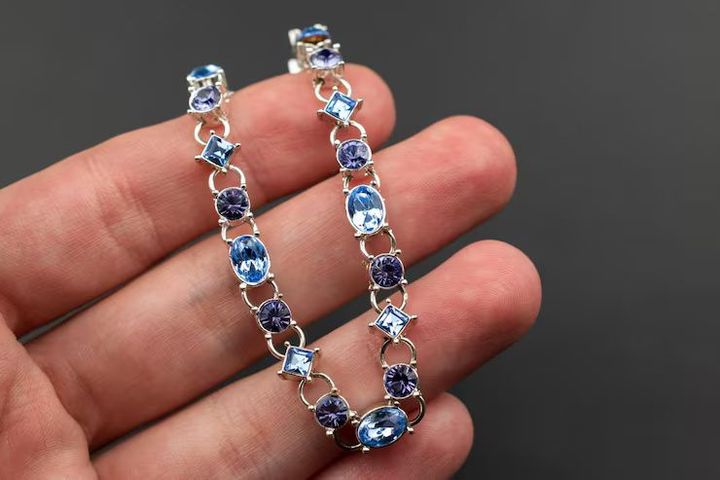
Crystal encrusted bracelets are decorative jewelry pieces that feature multiple crystals embedded into a bracelet structure. These crystals are arranged in patterns, pavé settings, or cluster formations to create reflective surfaces that enhance the bracelet’s visual appeal.
Jewelry featuring crystals has existed for centuries, evolving alongside advancements in cutting and manufacturing technologies. Modern crystal encrusted bracelets combine traditional craftsmanship with innovative design techniques, offering both durability and aesthetic appeal.
These bracelets are crafted using a variety of materials and precision-cut crystals that enhance light reflection. The result is a bright, sparkling accessory widely used in both everyday fashion and special occasions.
Common Materials Used
Crystal encrusted bracelets are typically made from the following materials:
- Stainless steel
- Sterling silver
- Gold alloys
- Platinum or plated metals
- Synthetic or natural crystals
Popular Crystal Arrangement Styles
Designers use different setting techniques to create unique visual effects:
- Pavé setting – closely set crystals for a continuous sparkle
- Channel setting – crystals aligned in a structured row
- Cluster designs – grouped crystals forming decorative patterns
- Linear rows – simple and minimalist arrangements
Why Crystal Encrusted Bracelets Matter in Modern Fashion
Crystal encrusted bracelets play a significant role in the fashion and jewelry industry. They represent a blend of craftsmanship, innovation, and personal style expression.
With increasing demand for quality and sustainability, modern bracelets now incorporate improved materials and ethical sourcing practices. This evolution reflects broader changes in consumer preferences and global fashion trends.
Key Benefits and Importance
These bracelets address several industry and consumer needs:
- Visual versatility – suitable for casual, professional, and formal wear
- Durability – modern crystals resist scratches and maintain brilliance
- Affordable luxury – offer a premium look without high costs
- Design flexibility – allow creative experimentation with colors and patterns
Industry Relevance
Crystal bracelets are important for:
- Jewelry designers and artisans
- Fashion stylists and accessory experts
- Retail analysts
- Trend-conscious consumers
Recent Jewelry Trends and Industry Developments
Recent years have brought significant innovation to the crystal jewelry market. These changes reflect advancements in sustainability, design, and technology.
Key Trends (2024–2025)
- Sustainable materials – increased use of recycled metals and eco-friendly crystals
- Minimalist designs – fewer but larger crystals gaining popularity
- Mixed materials – combinations with leather, ceramics, and resin
- Digital customization – AI tools for visualizing designs before production
- Social media influence – growing impact on styling trends
Lab-created crystals are also becoming more common due to their consistent quality and reduced environmental impact. Advanced technologies like 3D modeling and laser setting have further improved design precision.
Regulations and Jewelry Industry Standards
Crystal encrusted bracelets are subject to regulations that ensure safety, transparency, and environmental responsibility. These standards vary by region but generally focus on consumer protection.
Key Regulatory Areas
- Metal purity standards
- Nickel safety regulations
- Product labeling requirements
- Environmental compliance
Regulatory Overview Table
| Regulation Area | Purpose |
|---|---|
| Metal Hallmark Standards | Verifies purity of gold, silver, or platinum |
| Nickel Release Limits | Prevents allergic reactions |
| Environmental Rules | Ensures responsible manufacturing |
Compliance with these standards helps maintain trust and transparency in the global jewelry industry.
Tools and Resources for Jewelry Design
Modern jewelry design relies heavily on digital tools and research platforms. These resources support both creativity and precision in bracelet production.
Common Tools Used
- Jewelry CAD software
- 3D modeling tools
- Gemstone identification guides
- Metal purity calculators
- Fashion trend analysis platforms
Design Workflow Table
| Tool Category | Purpose |
|---|---|
| Jewelry CAD Software | Creates digital bracelet designs |
| 3D Rendering Tools | Visualizes crystal placement and lighting |
| Gemstone Databases | Provides crystal properties |
| Trend Platforms | Tracks emerging jewelry styles |
Typical Design Process
- Concept development
- Digital modeling
- Material selection
- Crystal preparation
- Metal setting and finishing
Jewelry Craftsmanship and Design Considerations
Creating crystal encrusted bracelets requires precision and attention to detail. Designers must balance aesthetics with durability to ensure long-lasting quality.
Key Design Factors
- Crystal cut and clarity
- Metal strength and finishing
- Bracelet comfort and flexibility
- Secure stone settings
Crystal Arrangement Comparison
| Arrangement Style | Visual Effect | Typical Use |
|---|---|---|
| Pavé | Dense sparkle | Luxury bracelets |
| Channel | Clean linear look | Modern designs |
| Cluster | Decorative shapes | Statement pieces |
| Single Row | Minimalist style | Everyday accessories |
Advanced tools like laser-guided systems and microscopic inspection improve accuracy and alignment during production.
Frequently Asked Questions
What materials are used in crystal encrusted bracelets?
They are commonly made from metals such as stainless steel, sterling silver, gold alloys, and plated metals, combined with natural or synthetic crystals.
Are crystals natural or synthetic?
Crystals can be either natural or lab-created. Lab-created crystals are widely used due to their consistency and durability.
What is a pavé setting?
A pavé setting involves placing small crystals closely together across a surface to create a continuous sparkling effect.
How are crystals attached?
They are secured using prongs, channels, adhesives, or micro-setting techniques depending on the design.
Why are these bracelets popular?
They offer versatility, decorative appeal, and compatibility with various styles and occasions.
Conclusion
Crystal encrusted bracelets represent a fusion of craftsmanship, innovation, and fashion design. Their appeal lies in the combination of sparkling crystals and durable metal structures.
These bracelets continue to evolve with advancements in sustainable materials, digital design tools, and manufacturing technologies. They remain a key category in modern fashion accessories, offering both style and functionality.