Dental Implants Guide: Essential Information for Understanding Tooth Replacement Options
Dental implants are a modern tooth replacement option designed to replace missing teeth by placing a small titanium or ceramic post into the jawbone.
Over time, this post integrates with the bone and supports a replacement tooth, bridge, or denture. Dental implants were developed to provide a stable alternative to traditional removable dentures and fixed bridges.
Today, dental implants are widely used in restorative dentistry to help people who have lost one or more teeth due to injury, decay, gum disease, or other oral health conditions. Treatment options have expanded significantly and now include single tooth dental implant procedures, full mouth dental implants, all on 4 dental implants, all on 6 dental implants, and same day dental implants for selected patients.
The goal of dental implant treatment is to restore oral function and appearance while helping preserve the structure of the jawbone. Because treatment plans vary from person to person, dental implant specialists evaluate factors such as bone density, overall oral health, and the number of teeth being replaced before recommending an approach.
How Dental Implants Work
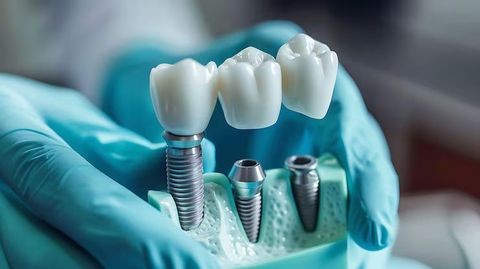
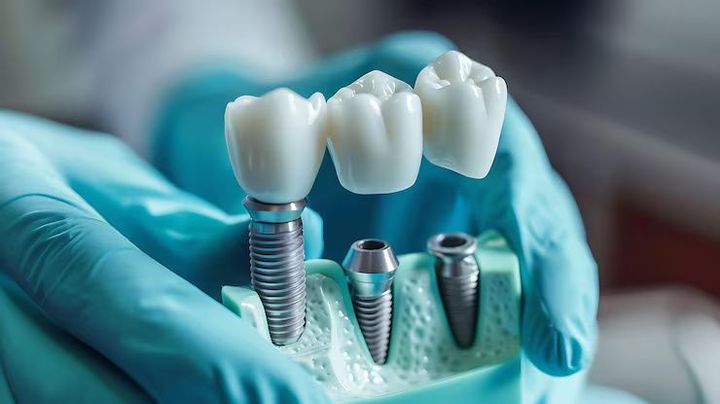
A dental implant typically consists of three main parts:
- Implant post placed into the jawbone
- Abutment that connects the implant to the replacement tooth
- Crown, bridge, or denture attached to the abutment
After placement, the implant gradually fuses with the surrounding bone through a process called osseointegration. This creates a stable foundation for the replacement tooth.
Common Types of Dental Implants
Several treatment options are available depending on the patient's needs:
| Type | Purpose |
|---|---|
| Single tooth dental implant | Replaces one missing tooth |
| Multiple dental implants | Replaces several missing teeth |
| Full mouth dental implants | Replaces all teeth in one or both arches |
| All on 4 dental implants | Supports a full arch using four implants |
| All on 6 dental implants | Supports a full arch using six implants |
| Same day dental implants | Allows implant placement and temporary restoration during the same visit in suitable cases |
| Cosmetic dental implants | Focuses on restoring appearance while maintaining function |
| Permanent dental implants | Long-term replacement option designed to remain in place for many years |
Importance
Missing teeth can affect more than appearance. They may influence chewing, speech, jawbone health, and overall quality of life. As a result, tooth replacement options continue to be an important area of modern dental care.
Effects of Tooth Loss
When a tooth is missing, several changes may occur:
- Neighboring teeth can shift position
- Jawbone volume may gradually decrease
- Chewing efficiency may be reduced
- Speech patterns may change
- Facial structure may appear altered over time
Dental implants were developed to address many of these challenges by providing a replacement root structure that interacts with the jawbone.
Why Different Implant Options Exist
Not every patient has the same dental needs. Someone missing a single tooth may benefit from a single tooth dental implant, while a person missing all teeth in an arch may require full mouth dental implants.
All on 4 dental implants and all on 6 dental implants were introduced to provide alternatives for individuals who need extensive tooth replacement. These approaches use strategically positioned implants to support a complete arch of replacement teeth.
The Role of Dental Implant Specialists
Treatment planning often involves dental implant specialists who have advanced training in implant placement and restoration. Their responsibilities may include:
- Evaluating oral and bone health
- Reviewing imaging scans
- Planning implant positioning
- Coordinating restorative treatment
- Monitoring healing and long-term maintenance
A dental implant clinic may also involve collaboration between oral surgeons, periodontists, prosthodontists, and general dentists.
Recent Updates
Dental implant technology continues to evolve. Recent developments have focused on improving planning accuracy, patient comfort, and treatment efficiency.
Digital Treatment Planning
Many dental professionals now use digital imaging and three-dimensional scanning to plan implant placement. These tools help create detailed views of the jawbone and surrounding structures before tooth implant surgery begins.
Digital planning can support more precise implant positioning and help practitioners visualize treatment outcomes.
Advances in Implant Materials
Research continues to explore materials that promote strong integration with the jawbone. Titanium remains the most commonly used implant material, while ceramic implants have gained attention as an alternative option for certain patients.
Manufacturers have also refined implant surface designs to support healing and stability.
Growth of Same Day Dental Implants
Same day dental implants have become more common in carefully selected cases. This approach may allow temporary replacement teeth to be attached shortly after implant placement.
Not every patient qualifies for this procedure, as bone quality, implant stability, and overall oral health must be evaluated beforehand.
Increased Interest in Full-Arch Solutions
There has been growing interest in full mouth dental implants, especially among individuals seeking alternatives to removable dentures.
Both all on 4 dental implants and all on 6 dental implants continue to be widely discussed because they provide fixed full-arch restoration options. Treatment planning remains highly individualized, and suitability varies between patients.
Focus on Accessibility
Many patients research affordable dental implants when exploring treatment options. In response, dental providers increasingly use digital workflows and streamlined planning methods that may improve efficiency while maintaining clinical standards.
Laws or Policies
Dental implant treatment is regulated through healthcare and dental practice regulations in many countries. These rules are intended to promote patient safety and professional accountability.
Professional Licensing Requirements
Dentists performing implant procedures are generally required to hold valid professional licenses issued by national or regional regulatory authorities.
Many jurisdictions also establish continuing education requirements to help practitioners stay informed about current clinical standards.
Medical Device Regulations
Dental implants are classified as medical devices in many countries. Manufacturers must typically comply with safety, quality, and performance standards before products can be marketed.
Regulatory agencies may review implant materials, manufacturing processes, and clinical evidence before approval.
Patient Consent and Information
Healthcare regulations commonly require informed consent before tooth implant surgery. Patients are generally provided with information about:
- Treatment procedures
- Potential benefits
- Possible risks
- Alternative treatment options
- Expected maintenance requirements
This process helps individuals make informed healthcare decisions.
Data Protection and Digital Records
As digital imaging and treatment planning become more common, dental clinics must often follow privacy and data protection regulations regarding patient records and imaging data.
Tools and Resources
Several resources can help individuals learn more about dental implants and understand treatment options.
Educational Websites
Reliable information may be available through:
- National dental associations
- Public health organizations
- University dental schools
- Government health agencies
These sources often explain procedures, oral health topics, and implant maintenance recommendations.
Digital Imaging Technologies
Modern dental implant clinic environments frequently use:
- Cone beam computed tomography (CBCT)
- Intraoral scanners
- Three-dimensional treatment planning software
- Digital smile design systems
These tools support diagnosis and treatment planning.
Oral Health Tracking Resources
Many dental practices provide educational materials and maintenance schedules that help patients monitor oral hygiene and follow recommended care routines after implant placement.
Consultation Checklists
Patients often use checklists to organize questions regarding:
- Treatment stages
- Healing timelines
- Oral hygiene requirements
- Implant maintenance
- Follow-up appointments
These resources can help improve communication during consultations.
FAQs
What are dental implants?
Dental implants are artificial tooth roots placed into the jawbone to support replacement teeth. They are commonly used to replace one or more missing teeth and can support crowns, bridges, or dentures.
What is the difference between all on 4 dental implants and all on 6 dental implants?
Both methods support a full arch of replacement teeth. All on 4 dental implants use four implant posts, while all on 6 dental implants use six posts. The appropriate option depends on individual clinical factors and treatment planning.
How long does tooth implant surgery take?
The length of tooth implant surgery varies depending on the number of implants placed and the complexity of the procedure. Some treatments involve multiple stages over several months, while certain patients may qualify for same day dental implants.
Are permanent dental implants truly permanent?
Permanent dental implants are designed as a long-term tooth replacement solution. Their longevity depends on factors such as oral hygiene, overall health, regular dental care, and individual biological conditions.
Can a single tooth dental implant replace one missing tooth without affecting nearby teeth?
Yes. A single tooth dental implant is designed to replace one missing tooth independently. Unlike some traditional bridge treatments, it generally does not require modification of adjacent healthy teeth.
Conclusion
Dental implants have become an important option for replacing missing teeth and restoring oral function. Modern treatment approaches include single tooth dental implant procedures, full mouth dental implants, all on 4 dental implants, all on 6 dental implants, and same day dental implants for selected patients. Advances in digital planning, imaging, and implant materials continue to shape the field. Understanding available options, regulations, and educational resources can help individuals make informed decisions about tooth replacement treatments.
Disclaimer: The information provided in this article is for informational purposes only. We do not make any claims or guarantees regarding the accuracy, reliability, or completeness of the information presented. The content is not intended as professional advice and should not be relied upon as such. Readers are encouraged to conduct their own research and consult with appropriate professionals before making any decisions based on the information provided in this article.