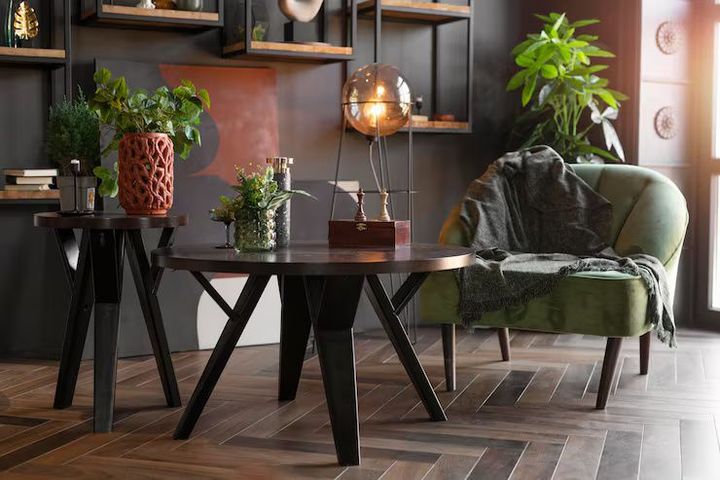
Designer Furniture: A Complete Guide to Modern Style and Comfort
Designer furniture refers to carefully crafted pieces that combine visual appeal, functionality, and thoughtful design. Unlike mass-produced items, designer furniture often reflects the vision of a specific designer or design movement, blending materials, shapes, and techniques to create distinctive results. Over time, it has evolved from exclusive handcrafted items to a broader category that includes both artisanal and modern production methods.
The concept of designer furniture emerged alongside the development of modern interior design in the 20th century. Influences from movements such as Bauhaus, mid-century modern, and contemporary minimalism have shaped how furniture is designed today. These movements emphasized simplicity, usability, and the relationship between form and function.
Today, designer furniture is not limited to luxury interiors. It appears in homes, offices, and public spaces, reflecting a growing interest in well-designed environments. The focus is often on comfort, durability, and aesthetic balance, making it relevant for a wide range of users.
Importance
Designer furniture plays a role in shaping how people experience their living and working spaces. It goes beyond appearance by addressing practical needs such as comfort, storage, and efficient use of space. For individuals, well-designed furniture can improve daily routines by making spaces more organized and easier to use.
Modern lifestyles often involve smaller living areas, remote work setups, and flexible environments. In such cases, designer furniture helps solve challenges like limited space and multi-purpose usage. For example, modular seating or foldable tables can adapt to changing needs without compromising usability.
Another important aspect is long-term usability. Thoughtfully designed furniture tends to focus on materials and construction methods that support durability. This reduces the need for frequent replacement and supports more sustainable consumption patterns.
In shared environments such as offices or public spaces, designer furniture contributes to comfort and accessibility. Features like ergonomic seating and adaptable layouts can support productivity and well-being for a wide range of users.
Recent Updates
In recent years, designer furniture has seen several developments influenced by changing lifestyles and environmental awareness. One noticeable trend is the growing use of sustainable materials. Designers are increasingly working with recycled wood, metal, and eco-conscious fabrics to reduce environmental impact.
Another trend is the integration of technology. Smart furniture, such as desks with built-in charging ports or adjustable height mechanisms, reflects the needs of modern users. These designs aim to combine convenience with functionality without overwhelming the overall aesthetic.
Customization has also become more common. Many manufacturers now provide modular systems that allow users to configure furniture based on their space and preferences. This flexibility aligns with the demand for personalized interiors.
Minimalist design continues to remain popular, with clean lines and neutral tones dominating modern interiors. At the same time, there is a gradual return of bold shapes and textures, offering a balance between simplicity and visual interest.
The following table highlights some key trends and their characteristics:
| Trend | Key Features | Purpose |
|---|---|---|
| Sustainable materials | Recycled wood, eco-friendly fabrics | Reduce environmental impact |
| Smart furniture | Built-in tech, adjustable features | Improve usability and comfort |
| Modular design | Flexible components, reconfigurable units | Adapt to different spaces |
| Minimalist aesthetics | Clean lines, neutral colors | Create calm and organized spaces |
| Textured designs | Mixed materials, bold finishes | Add visual depth |
Laws or Policies
Designer furniture is influenced by various regulations that ensure safety, quality, and environmental responsibility. In many countries, furniture must meet standards related to material safety, fire resistance, and structural stability. These regulations are designed to protect users and ensure that products meet basic safety requirements.
Environmental policies also play a role in shaping how furniture is produced. Guidelines related to sustainable sourcing of wood, emissions from manufacturing processes, and waste management affect both designers and manufacturers. Certifications related to eco-friendly materials are often used to indicate compliance with such standards.
In regions like India, furniture production may also be influenced by policies promoting local craftsmanship and small-scale industries. These initiatives aim to support traditional skills while encouraging modern design practices.
For imported furniture, customs regulations and quality checks ensure that products meet local standards before entering the market. This helps maintain consistency in safety and quality across different sources.
Tools and Resources
Understanding designer furniture and making informed decisions can be easier with the help of various tools and resources. These resources provide guidance on design principles, space planning, and material selection.
Some commonly used tools include:
- Interior design software, such as room planning applications, which allow users to visualize furniture placement and layout before making changes.
- Material guides and catalogs, which explain the properties of different materials like wood, metal, and fabric, helping users understand durability and maintenance needs.
- Ergonomic assessment tools, which help evaluate whether furniture supports proper posture and comfort.
- Online design platforms and forums, where users can explore design ideas, trends, and practical tips shared by professionals and enthusiasts.
- Measurement templates and checklists, which assist in planning furniture dimensions relative to room size.
These tools support better planning and help users align their choices with both functional and aesthetic goals.
FAQs
What is designer furniture and how is it different from regular furniture?
Designer furniture refers to pieces created with a strong focus on design, functionality, and material quality. It often reflects specific design concepts or styles, while regular furniture may prioritize basic functionality over design detail.
Is designer furniture suitable for small spaces?
Yes, many designer furniture pieces are created with space efficiency in mind. Modular sofas, foldable tables, and multi-functional units are examples that can work well in compact environments.
How does modern designer furniture improve comfort?
Modern designer furniture often incorporates ergonomic principles. This includes features like proper back support, adjustable components, and materials that enhance comfort during extended use.
What materials are commonly used in designer furniture?
Common materials include solid wood, engineered wood, metal, glass, and various types of fabric. Recent trends also include recycled and sustainable materials that aim to reduce environmental impact.
Are there sustainable options in designer furniture?
Yes, many designers now focus on sustainability by using responsibly sourced materials and environmentally conscious production methods. This approach supports long-term usability and reduced environmental impact.
Conclusion
Designer furniture represents a balance between style, comfort, and functionality. It has evolved to meet modern needs, including space efficiency and environmental awareness. With ongoing developments in materials and design approaches, it continues to adapt to changing lifestyles. Understanding its features and trends can help individuals make informed choices about their living and working spaces.