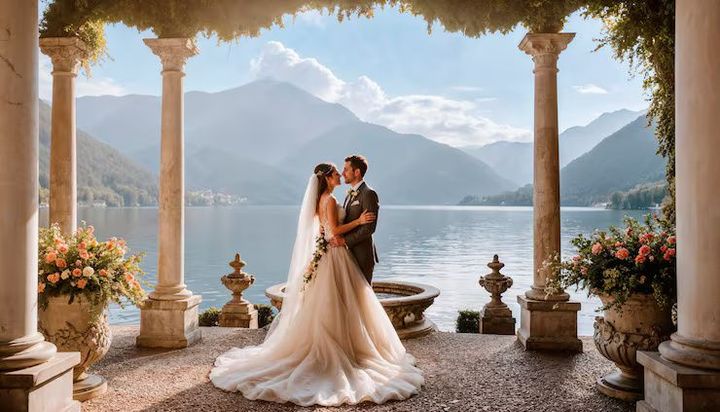
Destination Wedding Guide to Planning a Memorable Celebration in Beautiful Locations
A wedding is one of life's most meaningful celebrations, and choosing a unique location can make the occasion even more memorable.
A destination wedding combines a traditional ceremony with the excitement of travel, allowing couples and their guests to celebrate in scenic surroundings while creating lasting memories together. From tropical beaches and mountain retreats to historic cities and countryside estates, destination weddings offer countless possibilities for creating a personalized experience.
Planning a wedding away from home involves additional considerations beyond selecting a venue. Travel arrangements, accommodations, local customs, weather conditions, and guest logistics all contribute to the overall success of the event. Careful preparation helps create a smooth and enjoyable celebration for everyone involved. This destination wedding guide explains the essential aspects of planning a memorable wedding in beautiful locations while highlighting practical factors that influence the experience.
This article explores venue selection, travel planning, budgeting, guest experience, legal considerations, seasonal planning, emerging trends, and key decision-making factors for destination weddings.
What Is a Destination Wedding?
A destination wedding is a marriage celebration held in a location away from the couple's hometown or primary place of residence. The destination may be within the same country or in another part of the world, depending on personal preferences and travel plans.
Unlike traditional local weddings, destination celebrations often combine the wedding ceremony with several days of shared experiences, allowing family and friends to enjoy sightseeing, cultural activities, and relaxation alongside the main event.
Many couples view the wedding and vacation as a single memorable journey.
Choosing the Right Destination
Selecting the location is one of the most important planning decisions.
Coastal destinations provide beautiful ocean views, warm climates, and relaxed atmospheres that are popular for outdoor ceremonies.
Mountain venues offer dramatic landscapes, peaceful surroundings, and opportunities for nature-inspired celebrations throughout the year.
Historic cities combine elegant architecture, cultural attractions, and unique photography opportunities.
Countryside estates and vineyards create charming settings with scenic gardens, open landscapes, and timeless appeal.
The ideal destination depends on the couple's vision, travel preferences, guest accessibility, and seasonal conditions.
Finding the Perfect Venue
The venue shapes both the ceremony and the overall guest experience.
Luxury resorts often simplify planning by providing ceremony locations, accommodations, dining facilities, and event coordination within one property.
Boutique hotels offer personalized service and distinctive architectural character suitable for smaller gatherings.
Private villas provide exclusivity and flexibility for intimate celebrations.
Historic estates, botanical gardens, and waterfront venues create memorable backdrops while reflecting different wedding styles.
The chosen venue should complement the desired atmosphere while supporting practical event requirements.
Travel and Guest Planning
Guest experience plays an important role in destination weddings.
Providing travel information well in advance allows guests to organize transportation, accommodations, and vacation schedules more comfortably.
Many couples prepare detailed itineraries that include arrival information, local transportation, ceremony schedules, and optional group activities.
Welcome gatherings, sightseeing excursions, and farewell brunches often help transform the wedding into a shared travel experience.
Thoughtful planning contributes to greater convenience and enjoyment for everyone attending.
Budget Considerations
Destination wedding budgets typically include several additional factors beyond traditional wedding expenses.
Venue costs, travel arrangements, accommodations, local transportation, photography, catering, floral design, entertainment, and event coordination all contribute to the overall investment.
Currency exchange rates, seasonal pricing, and destination popularity may also influence costs.
Preparing a comprehensive budget helps balance priorities while minimizing unexpected expenses during the planning process.
Legal and Cultural Considerations
Marriage requirements vary between destinations.
Some locations require advance documentation, residency periods, or official translations before a legal ceremony can take place.
Understanding local regulations early in the planning process helps avoid administrative complications.
Couples may also choose to incorporate local traditions, cuisine, music, or cultural elements into the celebration to create a more meaningful connection with the destination.
Respecting local customs contributes to a positive experience for both visitors and host communities.
Decision Guide: Choosing the Right Destination Wedding
Selecting the best destination wedding depends on travel preferences, guest accessibility, seasonal weather, venue style, budget, and desired celebration size.
Couples planning intimate ceremonies often prefer boutique venues or private villas that provide privacy and personalized service. Larger celebrations may benefit from luxury resorts with extensive accommodation options and event facilities.
A destination wedding comparison between beach, mountain, countryside, and historic city venues highlights different advantages. Beach weddings offer relaxed coastal settings, while mountain locations provide spectacular scenery and cooler climates. Historic cities emphasize culture and architecture, whereas countryside venues create peaceful natural environments.
In many cases, choosing a destination that balances beautiful scenery with practical travel arrangements tends to work well for both couples and guests.
The real difference appears when the location, venue, and guest experience align naturally with the couple's vision while creating lasting memories for everyone involved.
Real-World Celebration Ideas
Destination weddings often include activities that extend beyond the ceremony itself.
Couples may organize welcome dinners featuring regional cuisine, guided sightseeing tours, beach gatherings, vineyard visits, or cultural performances that introduce guests to the local area.
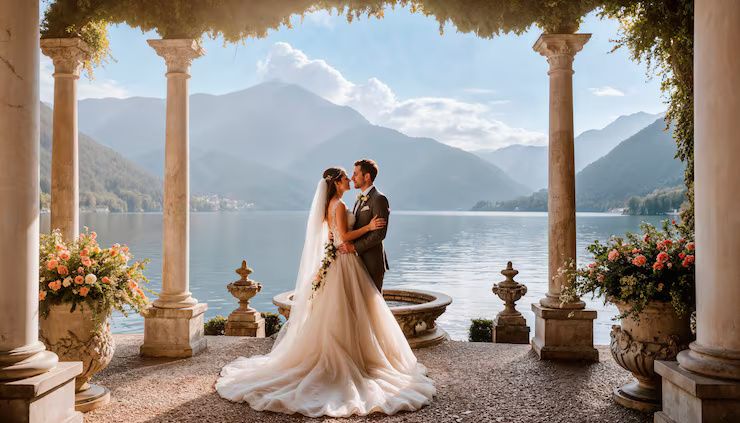
Outdoor ceremonies overlooking coastlines, lakes, mountains, or gardens create memorable photographic opportunities throughout the celebration.
Some destinations also offer wellness experiences, spa treatments, adventure activities, or local workshops that guests can enjoy before or after the wedding.
These additional experiences transform the event into a shared travel adventure rather than a single-day celebration.
Emerging Trends in Destination Weddings
Destination weddings continue evolving as travel preferences change.
Sustainable weddings are becoming increasingly popular, with many couples selecting eco-friendly venues, locally sourced flowers, seasonal menus, and environmentally responsible event practices.
Smaller guest lists allow for more personalized celebrations while creating meaningful experiences for close family and friends.
Technology now supports virtual planning meetings, digital invitations, online guest management, and live-streamed ceremonies for guests unable to travel.
Personalized itineraries, wellness experiences, and cultural immersion activities are also shaping modern destination wedding celebrations.
These trends reflect a growing emphasis on quality experiences and meaningful connections.
Frequently Asked Questions
1. What is a destination wedding?
A destination wedding is a wedding celebration held away from the couple's hometown, often combining the ceremony with a travel experience for family and friends.
2. What locations are popular for destination weddings?
Beaches, mountain resorts, historic cities, countryside estates, vineyards, tropical islands, and luxury resorts are among the most popular choices.
3. Why is early planning important?
Early planning allows time to organize travel, accommodations, legal requirements, guest arrangements, and venue reservations.
4. What should couples consider when selecting a destination?
Travel accessibility, weather, venue style, guest experience, legal requirements, seasonal conditions, and budget should all be carefully evaluated.
5. How can destination weddings create memorable guest experiences?
Group activities, cultural experiences, sightseeing, local cuisine, welcome events, and relaxed itineraries help guests enjoy both the wedding and the destination.
Conclusion
Planning a destination wedding involves much more than selecting a beautiful location. Thoughtful preparation, careful venue selection, guest planning, and attention to local details all contribute to creating a meaningful celebration that extends beyond the wedding day itself. This comprehensive destination wedding guide demonstrates how combining scenic destinations with memorable experiences allows couples and their guests to celebrate together in extraordinary surroundings. As destination weddings continue growing in popularity, personalized travel experiences, cultural exploration, and unforgettable locations remain at the heart of these remarkable celebrations.