Yoga Classes Guide to Popular Yoga Styles and Practice Techniques
Yoga has become one of the most widely practiced wellness activities across the world because it combines physical movement, breathing techniques, and mindfulness into a single practice.
Whether someone wants to improve flexibility, develop strength, reduce daily stress, or simply create a healthier routine, yoga offers options suitable for different ages, fitness levels, and personal goals.
Today, learners can participate in traditional studio sessions, online yoga classes, virtual yoga classes, or structured online fitness programs, making yoga more accessible than ever before. However, with so many styles and class formats available, choosing the right approach can sometimes feel overwhelming.
This guide explains the most popular yoga styles, essential practice techniques, different class formats, and practical tips for beginners and experienced practitioners alike. The goal is to help readers understand yoga in a clear, balanced, and educational way so they can build a practice that fits their lifestyle.
What Are Yoga Classes?
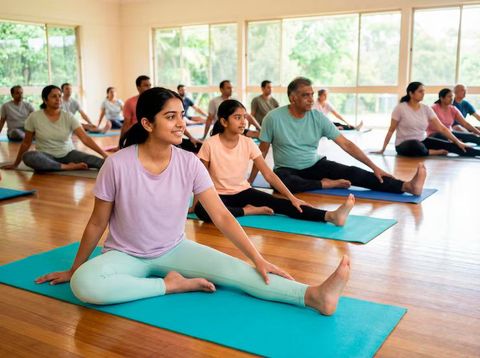
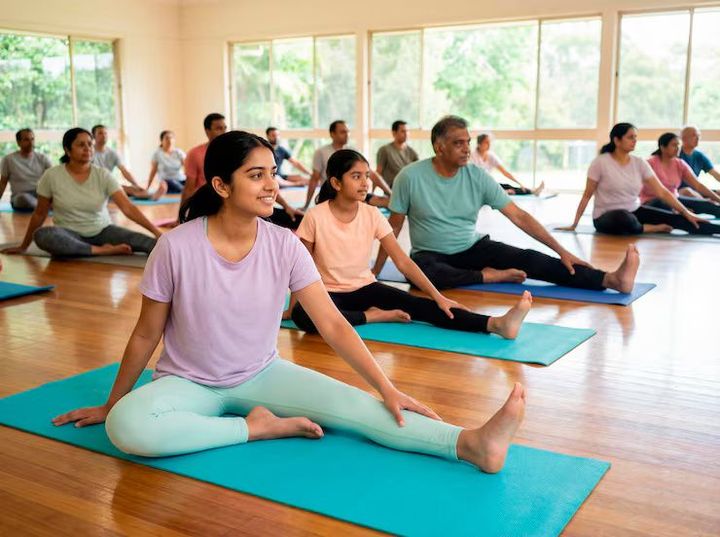
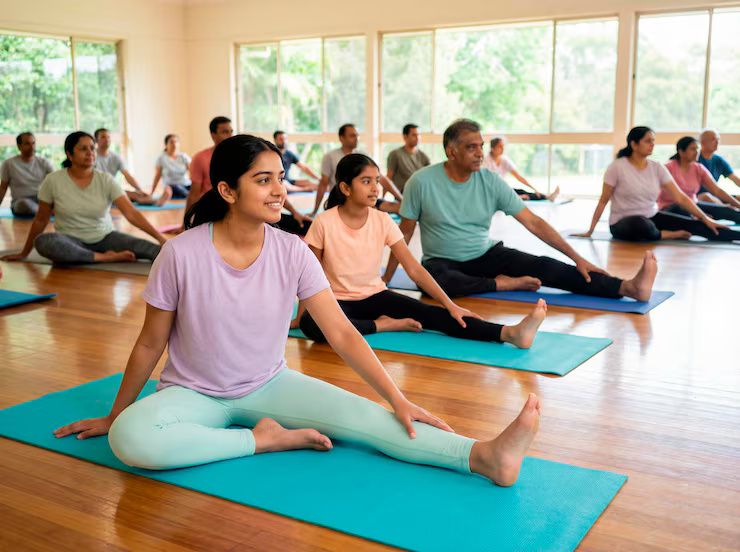
Yoga classes are structured sessions led by an instructor who guides participants through a combination of physical postures (asanas), breathing exercises (pranayama), relaxation methods, and mindfulness practices. Each class may focus on different objectives depending on the style of yoga and the experience level of the participants.
Some classes emphasize gentle stretching and relaxation, while others focus on strength, endurance, balance, or flexibility. The variety of teaching methods allows individuals to select classes that align with their personal wellness goals rather than following a one-size-fits-all approach.
Why Many People Practice Yoga
People begin practicing yoga for many different reasons, and those motivations often evolve over time.
Common reasons include:
- Improving flexibility and mobility
- Developing balance and coordination
- Supporting muscular strength
- Encouraging better posture
- Creating time for relaxation
- Practicing mindful breathing
- Establishing a consistent wellness routine
- Complementing other forms of physical activity
Since yoga can be adapted to different fitness levels, it remains accessible to beginners while continuing to challenge experienced practitioners.
Popular Types of Yoga Classes
Understanding the different yoga styles makes it easier to choose classes that match personal interests and physical abilities.
Hatha Yoga
Hatha Yoga is often recommended for beginners because it introduces foundational poses at a comfortable pace.
Typical characteristics include:
- Gentle movements
- Basic breathing exercises
- Longer posture holds
- Focus on alignment
- Relaxed learning environment
This style provides a strong foundation before exploring more dynamic forms of yoga.
Vinyasa Yoga
Vinyasa Yoga connects movement with breathing through continuous sequences.
Practitioners often appreciate:
- Smooth transitions
- Dynamic movement
- Variety in each class
- Improved coordination
- Moderate cardiovascular activity
Each session may differ depending on the instructor's sequencing.
Ashtanga Yoga
Ashtanga follows a structured series of postures performed in a specific order.
This style is generally suitable for those seeking:
- Consistency
- Physical endurance
- Strength development
- Discipline
- Regular practice routines
Because of its physically demanding nature, newcomers may benefit from introductory instruction before joining full sessions.
Yin Yoga
Yin Yoga emphasizes slow movement and extended posture holds.
It commonly focuses on:
- Deep stretching
- Joint mobility
- Relaxation
- Mindfulness
- Breath awareness
The slower pace makes it an effective complement to more active exercise routines.
Restorative Yoga
Restorative Yoga prioritizes recovery and relaxation through fully supported poses.
Participants often use props to comfortably maintain positions while encouraging both physical and mental relaxation.
This style is particularly suited to individuals seeking gentle movement and stress reduction.
Power Yoga
Power Yoga combines traditional yoga principles with more physically active sequences.
It often includes:
- Strength-focused movements
- Faster transitions
- Balance challenges
- Core engagement
- Functional fitness elements
Power Yoga appeals to individuals looking for a more energetic workout while maintaining yoga-based movement patterns.
Understanding Different Class Formats
Modern technology has expanded how yoga instruction is delivered.
Studio Yoga Classes
Traditional studio classes provide direct instructor guidance and opportunities for real-time posture correction.
Advantages include:
- In-person instruction
- Community interaction
- Immediate feedback
- Structured learning environment
Many beginners appreciate the opportunity to ask questions during class.
Online Yoga Classes
Online yoga classes allow participants to practice from home using computers, tablets, or smartphones.
Benefits include:
- Flexible scheduling
- Home convenience
- Wide variety of instructors
- Access from different locations
- Self-paced learning opportunities
This format is particularly useful for individuals with busy schedules.
Virtual Yoga Classes
Virtual yoga classes are often conducted live through video conferencing platforms.
Participants receive:
- Real-time instruction
- Interactive communication
- Scheduled sessions
- Group participation from remote locations
This combines many benefits of studio instruction with the convenience of home practice.
Private Yoga Classes
Private yoga classes provide personalized instruction tailored to individual goals and experience levels.
These sessions may focus on:
- Personalized technique improvement
- Specific mobility goals
- Beginner instruction
- Advanced practice refinement
- Individual pacing
Private instruction allows teachers to adjust movements according to personal needs.
Practice Techniques Every Beginner Should Learn
Successful yoga practice depends on proper technique rather than simply completing poses.
Focus on Breathing
Controlled breathing forms the foundation of yoga.
Steady breathing helps:
- Improve concentration
- Support movement
- Encourage relaxation
- Maintain rhythm throughout practice
Many beginners find that learning breathing techniques improves their overall experience.
Prioritize Proper Alignment
Correct posture alignment contributes to both comfort and effective movement.
Rather than attempting advanced positions immediately, practitioners benefit from learning accurate positioning for foundational poses.
Move at a Comfortable Pace
Yoga is not a competition.
Individuals should respect their current flexibility, balance, and strength while gradually progressing through consistent practice.
Listen to Your Body
Every person's physical abilities differ.
Adjusting movements when needed helps create a sustainable long-term practice while reducing unnecessary strain.
Beginner Yoga Classes: What to Expect
Many beginner yoga classes are designed to introduce essential concepts gradually.
A typical session may include:
- Gentle warm-up exercises
- Breathing instruction
- Basic standing poses
- Balance exercises
- Seated stretches
- Relaxation techniques
- Guided cool-down
Instructors often explain movement modifications to accommodate different ability levels.
Essential Equipment for Yoga Practice
Yoga requires relatively little equipment compared to many fitness activities.
Common items include:
| Equipment | Purpose |
|---|---|
| Yoga mat | Provides stability and comfort |
| Comfortable clothing | Allows unrestricted movement |
| Yoga blocks | Assist with flexibility and alignment |
| Yoga strap | Supports stretching exercises |
| Cushion or bolster | Improves comfort during seated poses |
| Water bottle | Maintains hydration |
Many beginners start with only a yoga mat before adding additional accessories if needed.
Building a Consistent Yoga Routine
Consistency often produces better long-term results than occasional intensive sessions.
Helpful strategies include:
- Practicing at regular times
- Setting realistic goals
- Beginning with shorter sessions
- Tracking personal progress
- Combining yoga with other healthy habits
Developing a routine that fits everyday life makes continued practice easier.
Combining Yoga with Online Fitness Programs
Many people include yoga within broader online fitness programs that also feature strength training, mobility exercises, and cardiovascular workouts.
Yoga complements these programs by supporting:
- Recovery days
- Flexibility improvement
- Mobility development
- Balance training
- Stress management
Integrating multiple forms of exercise creates a more balanced wellness routine.
Common Mistakes New Practitioners Should Avoid
Learning gradually helps build confidence while reducing unnecessary frustration.
Some common beginner mistakes include:
- Comparing progress with others
- Holding the breath during poses
- Skipping warm-up exercises
- Practicing too aggressively
- Ignoring proper alignment
- Expecting immediate flexibility improvements
Focusing on steady improvement encourages long-term success.
Factors to Consider When Choosing Yoga Classes
Selecting appropriate yoga classes depends on several personal considerations.
| Consideration | Why It Matters |
|---|---|
| Experience level | Helps determine suitable class difficulty |
| Personal goals | Influences style selection |
| Schedule | Supports regular attendance |
| Preferred learning format | Studio, online, or private instruction |
| Physical abilities | Encourages safe participation |
| Practice intensity | Matches energy and fitness preferences |
Choosing classes based on individual needs creates a more enjoyable learning experience.
Long-Term Benefits of Regular Yoga Practice
With consistent participation, yoga can become part of a balanced lifestyle.
Many practitioners report improvements in:
- Flexibility
- Balance
- Body awareness
- Movement quality
- Daily posture
- Mindfulness
- Physical confidence
- Overall wellness habits
These outcomes typically develop gradually through regular and mindful practice rather than rapid progression.
Frequently Asked Questions
Which yoga style is best for beginners?
Hatha Yoga is commonly recommended for beginners because it introduces fundamental poses, breathing techniques, and alignment at a comfortable pace.
Are online yoga classes effective?
Yes. Online yoga classes provide flexibility and convenience, allowing individuals to practice from home while following structured instruction.
What is the difference between virtual yoga classes and online yoga classes?
Online yoga classes may include live or recorded sessions, while virtual yoga classes typically refer to live instructor-led sessions that allow real-time interaction.
How often should beginners practice yoga?
Many beginners benefit from practicing two to four sessions each week, gradually increasing consistency as they become more comfortable with the movements.
Can yoga be combined with other fitness activities?
Yes. Yoga complements many online fitness programs and other forms of exercise by improving flexibility, mobility, recovery, balance, and body awareness.
Conclusion
Yoga offers a flexible and accessible approach to improving physical movement, breathing awareness, and overall wellness. With a wide range of styles—from the gentle pace of Hatha Yoga to the dynamic flow of Vinyasa and the deep stretching of Yin Yoga—individuals can select practices that align with their personal goals and experience levels. Modern learning options, including studio sessions, online yoga classes, virtual yoga classes, beginner yoga classes, and private yoga classes, make it easier than ever to build a consistent routine regardless of schedule or location.
By understanding the purpose of each yoga style, practicing proper techniques, maintaining realistic expectations, and progressing at a comfortable pace, individuals can develop a sustainable practice that supports long-term health and well-being. Whether yoga is pursued as a standalone activity or as part of broader online fitness programs, thoughtful practice and consistency remain the keys to meaningful progress.