Detox and Relaxation Spas Explained: Treatments and Wellness Insights
Modern life often brings long working hours, digital overload, limited physical activity, and daily stress. Many people look for healthy ways to recharge both physically and mentally. One option that has gained attention is visiting detox and relaxation spas. These wellness spaces focus on creating a calm environment where people can unwind, support healthy routines, and enjoy treatments designed to encourage relaxation. It is important to understand that the word "detox" can mean different things. While many spa treatments are designed to promote comfort, reduce stress, and encourage healthy habits, the human body already has natural detoxification systems through the liver, kidneys, lungs, digestive system, and skin.
Spa experiences should be viewed as part of an overall wellness routine rather than a replacement for medical care or healthy living.
This guide explains what detox and relaxation spas are, how common treatments work, their possible benefits, how to prepare for a visit, and how to choose a spa that matches your wellness goals.
What Are Detox and Relaxation Spas?
Detox and relaxation spas are wellness facilities that provide treatments intended to help people relax, reduce stress, and encourage overall well-being. These locations often combine calming environments with therapies that focus on comfort, mindfulness, and body care.
Depending on the spa, visitors may find:
- Massage therapies
- Steam rooms
- Saunas
- Hydrotherapy pools
- Aromatherapy
- Body wraps
- Meditation sessions
- Gentle yoga classes
- Skin care treatments
Rather than promising dramatic health changes, these treatments generally aim to create a peaceful experience that supports healthy lifestyle habits.
Understanding Detox in a Wellness Setting
The word "detox" is commonly used in wellness discussions. In medical science, the body naturally removes waste through several organs without requiring specialized spa treatments.
In a spa environment, detox often refers to activities that may help people:
- Relax after stressful periods
- Encourage healthy hydration habits
- Support better sleep routines
- Feel refreshed after wellness treatments
- Practice mindfulness and self-care
Keeping realistic expectations helps people appreciate these experiences for what they are—a supportive part of a balanced wellness routine.
Common Treatments Found in Detox and Relaxation Spas
Massage Therapy
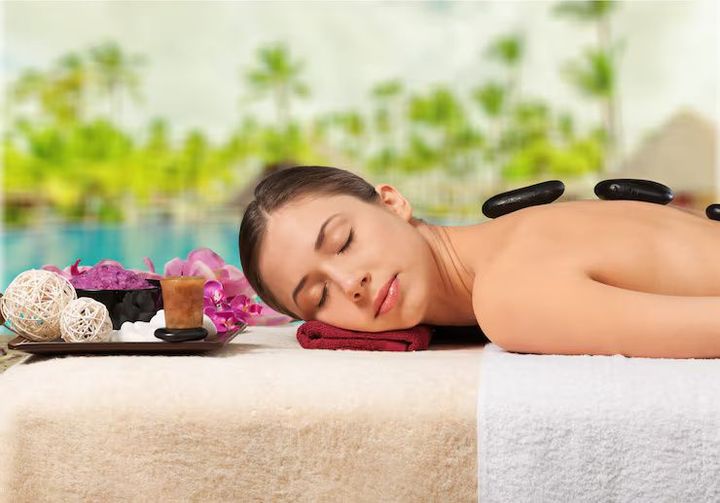
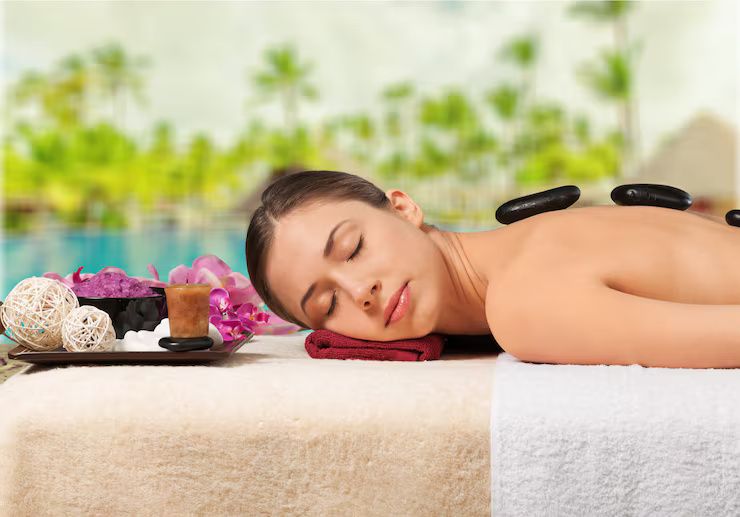
Massage remains one of the most popular spa treatments. Different massage styles use various techniques to reduce muscle tension and encourage relaxation.
Common types include:
- Swedish massage
- Deep tissue massage
- Hot stone massage
- Aromatherapy massage
- Sports massage
Many people report feeling calmer and more comfortable after massage sessions.
Sauna Sessions
Saunas use dry heat to warm the body. People often enjoy saunas after exercise or before massage therapy.
Possible effects include:
- Temporary muscle relaxation
- Increased sweating
- A feeling of warmth and comfort
- Mental relaxation
Visitors should drink enough water before and after sauna use.
Steam Rooms
Steam rooms create warm, humid environments that many people find relaxing.
Some individuals enjoy steam rooms because they may:
- Promote temporary muscle comfort
- Help people feel refreshed
- Encourage relaxation before treatments
Steam rooms may not be suitable for everyone, especially individuals with certain medical conditions.
Hydrotherapy
Hydrotherapy uses water at different temperatures to encourage relaxation.
Examples include:
- Warm pools
- Whirlpool baths
- Contrast water therapy
- Mineral baths
Warm water often helps people feel physically relaxed while reducing everyday tension.
Body Wraps
Body wraps involve applying natural ingredients before wrapping the body in towels or blankets for a short period.
Common ingredients include:
- Clay
- Seaweed
- Mud
- Natural oils
Many visitors enjoy the soothing feeling and skin care benefits associated with these treatments.
Aromatherapy
Aromatherapy uses essential oils with pleasant fragrances during massages or relaxation sessions.
Popular scents include:
- Lavender
- Eucalyptus
- Peppermint
- Chamomile
- Citrus oils
Different fragrances may contribute to a calming atmosphere.
Potential Benefits of Detox and Relaxation Spas
Although experiences differ from person to person, many people visit spas because they may help support overall wellness.
Stress Reduction
Quiet surroundings, calming music, gentle lighting, and relaxing treatments may help reduce everyday stress levels.
Muscle Comfort
Massage, warm water, and heat therapies may temporarily ease muscle tightness after physical activity or long periods of sitting.
Better Sleep Habits
Many visitors report sleeping more comfortably after relaxing spa sessions, especially when stress levels decrease.
Mindfulness
Spa visits often encourage people to disconnect from phones, work, and daily responsibilities for a short period.
This quiet time may help improve focus and emotional balance.
Skin Care
Some treatments gently cleanse and moisturize the skin, leaving it feeling refreshed and hydrated.
Preparing for a Spa Visit
Preparing in advance can help create a more comfortable experience.
Helpful suggestions include:
- Drink enough water throughout the day.
- Wear comfortable clothing.
- Arrive early to relax before treatments.
- Avoid large meals immediately beforehand.
- Share any medical conditions with spa staff before treatments begin.
- Remove jewelry before body treatments.
Simple preparation allows visitors to enjoy their scheduled treatments without unnecessary stress.
Who May Benefit From Spa Visits?
Many adults enjoy occasional spa experiences as part of healthy self-care routines.
Spa visits may appeal to people who:
- Experience everyday stress
- Spend long hours sitting at work
- Participate in regular exercise
- Want quiet time for relaxation
- Enjoy wellness activities
- Need a short break from busy schedules
People with ongoing medical conditions should consult an appropriate healthcare professional before participating in heat therapies or specialized treatments.
Healthy Habits That Support Wellness
Spa visits work well when combined with healthy daily habits.
Examples include:
| Healthy Habit | Wellness Contribution |
|---|---|
| Drinking water | Supports normal body functions |
| Balanced nutrition | Provides essential nutrients |
| Regular physical activity | Helps maintain overall fitness |
| Quality sleep | Supports recovery and energy |
| Stress management | Encourages emotional well-being |
| Mindfulness | Promotes mental relaxation |
These everyday practices play a larger role in long-term wellness than occasional treatments alone.
Choosing a Detox and Relaxation Spa
Different spas provide different experiences. Looking at several factors can help narrow the options.
Consider:
- Cleanliness throughout the facility
- Qualified therapists
- Transparent treatment information
- Comfortable environment
- Clear safety guidelines
- Positive visitor feedback
- Available wellness programs
Taking time to compare these details can help people select a spa that aligns with their comfort level and wellness interests.
Safety Considerations
Most spa treatments are generally well tolerated by healthy adults, but certain precautions are important.
Extra care may be needed for people who:
- Are pregnant
- Have heart conditions
- Experience uncontrolled high blood pressure
- Have contagious skin conditions
- Recently underwent surgery
- Have severe medical concerns
Discussing health history before treatments helps ensure appropriate recommendations.
Common Myths About Detox Spas
Myth 1: Spa Treatments Remove All Body Toxins
The body naturally processes and removes waste through organs such as the liver and kidneys. Spa treatments mainly focus on relaxation and wellness rather than replacing these natural functions.
Myth 2: More Heat Means Better Results
Long periods in hot environments can lead to dehydration or discomfort. Moderate sessions with proper hydration are generally more appropriate.
Myth 3: One Visit Changes Everything
Wellness usually develops through consistent healthy habits over time. Spa visits may complement those habits rather than replace them.
Creating a Relaxation Routine at Home
People can continue many wellness practices between spa visits.
Simple ideas include:
- Stretching for a few minutes daily
- Practicing deep breathing
- Taking warm baths
- Reading before bedtime
- Limiting screen time in the evening
- Listening to calming music
- Spending time outdoors
These routines support relaxation without requiring specialized equipment.
Conclusion
Detox and relaxation spas provide a peaceful setting where people can step away from daily pressures and focus on personal well-being. Treatments such as massage, hydrotherapy, saunas, steam rooms, body wraps, and aromatherapy may encourage relaxation, muscle comfort, and mindfulness. While these experiences should not be viewed as medical detoxification, they can complement healthy lifestyle habits that include balanced nutrition, regular exercise, hydration, quality sleep, and stress management.
Understanding what these spas can realistically provide helps people make informed decisions. With appropriate expectations and healthy routines, spa visits can become one enjoyable part of an overall wellness lifestyle.