Discover Construction Material Types Used in Residential Commercial and Industrial Projects
Construction materials form the foundation of every building project, from single-family homes and office complexes to manufacturing facilities and large-scale infrastructure developments.
The selection of appropriate materials influences a structure's durability, functionality, safety, efficiency, and long-term performance.
As construction methods continue evolving, builders and project planners have access to a wide range of traditional and modern materials designed for different applications. Each material offers unique characteristics that make it suitable for specific structural, architectural, and operational requirements.
What really matters is understanding how various construction materials contribute to the overall success of a project. The right combination of materials can help improve structural integrity, support sustainability goals, and enhance building performance throughout its lifecycle.
This guide explores common construction material types, explains their characteristics, highlights their applications across residential, commercial, and industrial projects, and examines emerging trends shaping the future of construction.
Understanding Construction Materials
Construction materials are the substances and products used to create buildings, structures, and infrastructure systems.
These materials serve different functions within a project. Some provide structural support, while others contribute to insulation, weather resistance, aesthetics, or specialized operational requirements.
This matters because every building component must perform a specific role while working effectively with surrounding materials.
A practical example is a residential home that combines concrete foundations, steel reinforcement, wood framing, insulation materials, and roofing systems to create a complete structure.
Why Material Selection Is Important
Material selection affects nearly every aspect of a construction project.
Factors such as durability, environmental conditions, maintenance requirements, structural demands, and project objectives often influence material choices. Selecting appropriate materials can help support safety, efficiency, and long-term building performance.
The real difference appears when materials are chosen based on project needs rather than simply availability or familiarity.
A real-world example is a commercial building using steel framing to support large open spaces while incorporating energy-efficient exterior materials for improved performance.
Concrete: One of the Most Widely Used Materials
Concrete is among the most commonly used construction materials worldwide.
It is valued for its strength, versatility, and ability to support a wide range of structural applications. Concrete is frequently used in foundations, floors, walls, bridges, and infrastructure projects.
Common advantages include:
- High compressive strength
- Design flexibility
- Durability
- Broad application potential
A practical example is a residential foundation designed to provide stable support for the entire structure.
Concrete continues to play a critical role in modern construction across multiple sectors.
Steel and Structural Applications
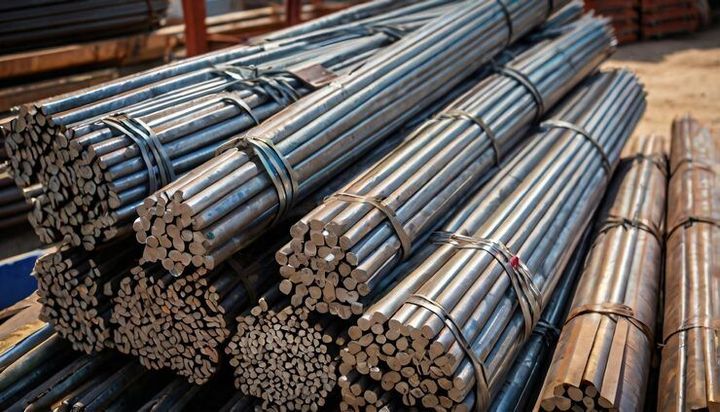
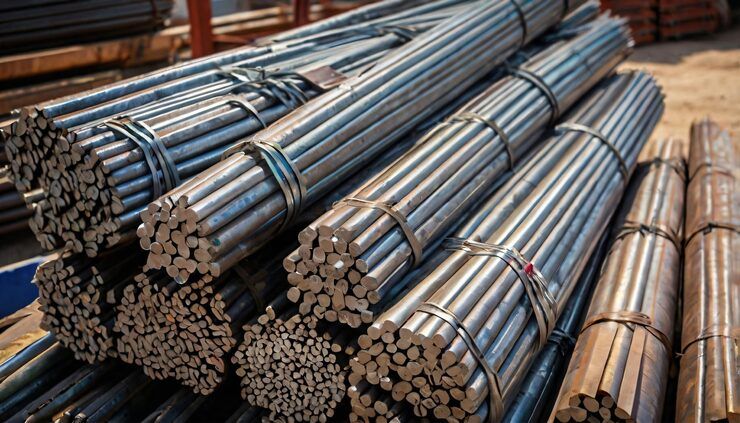
Steel is another essential construction material widely used in commercial and industrial projects.
Its strength-to-weight characteristics make it particularly suitable for large buildings, industrial facilities, warehouses, and infrastructure systems. Steel can support substantial loads while enabling flexible architectural designs.
Structural Frameworks
Steel is often used to create primary building frameworks.
Large Span Construction
It supports open spaces with fewer structural obstacles.
Industrial Facilities
Manufacturing and processing environments frequently utilize steel structures.
Infrastructure Projects
Bridges and transportation systems commonly incorporate steel components.
These capabilities make steel a valuable material in many construction environments.
Wood and Timber Construction
Wood remains an important building material, particularly in residential construction.
Its natural appearance, workability, and versatility contribute to its continued popularity. Wood can be used for framing, flooring, interior finishes, and decorative architectural features.
This matters because wood often provides both structural and aesthetic benefits within the same project.
A practical example is a residential home utilizing timber framing combined with engineered wood products for additional structural support.
The real difference appears when wood is integrated thoughtfully within overall building design.
Masonry Materials in Construction
Masonry materials include products such as brick, stone, and concrete blocks.
These materials are often selected for their durability, appearance, and ability to contribute to structural and architectural objectives. Masonry systems have been used in construction for centuries and remain relevant in modern building projects.
Common masonry applications include:
- Exterior walls
- Decorative facades
- Structural elements
- Landscape features
These materials can provide both functional and visual value within a project.
Glass in Modern Building Design
Glass has become an increasingly important material in contemporary architecture.
Beyond providing natural light and visibility, modern glass technologies contribute to energy efficiency, aesthetics, and occupant comfort. Commercial buildings frequently utilize extensive glass systems to create open and visually appealing environments.
A real-world example is an office building incorporating large glass facades to enhance daylight access while maintaining interior comfort.
Glass continues evolving through advancements in performance and design flexibility.
Insulation and Building Performance Materials
Insulation materials help regulate indoor environmental conditions.
Effective insulation contributes to energy efficiency, occupant comfort, and building performance. Different insulation products are used depending on climate conditions, building type, and design objectives.
Important insulation functions include:
- Temperature regulation
- Energy conservation
- Moisture management
- Acoustic control
These benefits make insulation a critical component of modern construction systems.
Comparing Common Construction Materials
| Material | Primary Use | Key Characteristic |
|---|---|---|
| Concrete | Foundations and Structures | High Strength |
| Steel | Structural Frameworks | Load-Bearing Capacity |
| Wood | Residential Construction | Versatility |
| Masonry | Walls and Facades | Durability |
| Glass | Building Envelopes | Natural Light Access |
| Insulation | Environmental Control | Energy Efficiency |
The real difference appears when materials are selected according to specific project requirements and performance goals.
Construction Materials in Residential Projects
Residential buildings often utilize a combination of materials designed to support comfort, durability, and functionality.
Common materials include concrete foundations, timber framing, insulation systems, roofing materials, and interior finishing products. Material selection may vary based on climate, design preferences, and local construction practices.
A practical example is a single-family home that combines concrete, wood, glass, and insulation materials to create a comfortable living environment.
Construction Materials in Commercial Buildings
Commercial projects often require materials capable of supporting larger structures and higher occupancy levels.
Steel frameworks, reinforced concrete systems, advanced glass solutions, and specialized building envelopes are commonly used in offices, retail centers, hotels, and institutional facilities.
This matters because commercial buildings frequently face different operational demands than residential structures.
A real-world example is a high-rise office building utilizing steel and concrete systems to support structural performance and architectural flexibility.
Construction Materials in Industrial Facilities
Industrial projects often prioritize durability, operational efficiency, and specialized performance requirements.
Steel structures, reinforced concrete flooring systems, protective coatings, and industrial-grade materials are commonly incorporated into manufacturing facilities, warehouses, and processing plants.
These environments may require materials capable of supporting equipment loads, environmental exposure, and demanding operational conditions.
The real difference appears when material choices align with industrial performance requirements and facility objectives.
Sustainable Construction Materials
Sustainability has become an increasingly important consideration in construction.
Many projects now incorporate materials that support resource efficiency, reduced environmental impact, and long-term building performance. Advances in manufacturing and material science continue expanding the range of sustainable construction options.
Examples include:
- Recycled materials
- Engineered wood products
- Energy-efficient building systems
- Low-impact construction materials
These innovations contribute to evolving approaches to responsible building practices.
Future Trends in Construction Materials
Construction materials continue advancing through innovation and technological development.
Smart materials capable of responding to environmental conditions are attracting increased attention. Improved manufacturing processes are enhancing material performance while supporting sustainability objectives.
Advanced composites, energy-efficient building systems, and digitally optimized construction materials are expected to influence future projects across residential, commercial, and industrial sectors.
What really matters is how these developments help create safer, more efficient, and higher-performing buildings while supporting evolving construction requirements.
FAQ
1. What are construction materials?
Construction materials are products and substances used to build structures, buildings, and infrastructure systems.
2. Why is material selection important?
Material selection influences durability, safety, functionality, efficiency, and overall building performance.
3. What are the most common construction materials?
Concrete, steel, wood, masonry products, glass, and insulation materials are among the most widely used.
4. How do residential and industrial material requirements differ?
Residential projects often emphasize comfort and aesthetics, while industrial facilities typically prioritize durability and operational performance.
5. What role do sustainable materials play in modern construction?
Sustainable materials help support environmental goals, resource efficiency, and long-term building performance.
Conclusion
Construction materials are fundamental to the success of residential, commercial, and industrial projects. From concrete and steel to wood, masonry, glass, and insulation systems, each material contributes unique characteristics that support structural integrity, functionality, and building performance.
As technology and sustainability initiatives continue shaping the construction industry, material innovations are creating new opportunities for efficiency, durability, and environmental responsibility. Understanding the various types of construction materials provides valuable insight into how modern buildings are designed, constructed, and maintained to meet evolving needs.