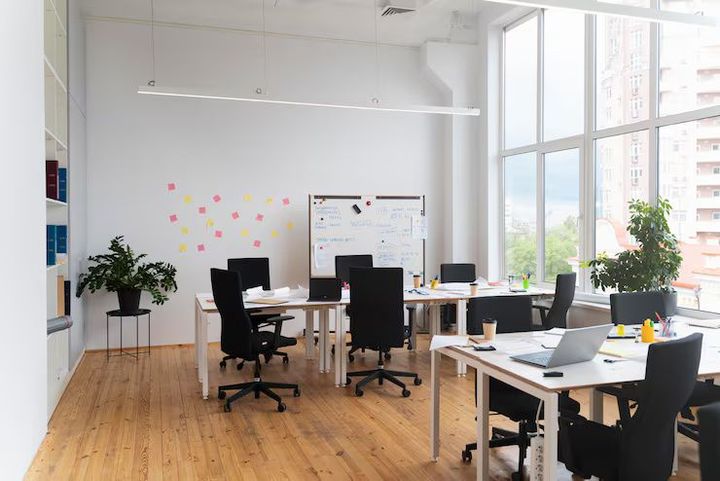
Discover Coworking Spaces: Suggestions, Productivity Tips, and Workstyle Ideas
Coworking spaces have become an important part of modern work culture, especially as flexible work arrangements continue to grow. The idea of shared work environments began as a way for independent professionals, freelancers, and small teams to work outside traditional offices while still benefiting from a structured setting. Today, coworking spaces are used by a wide range of people, including remote employees, entrepreneurs, and students.
These spaces typically provide desks, meeting rooms, internet access, and common areas that encourage collaboration. Over time, the concept has expanded beyond simple shared desks to include diverse layouts and work environments designed to suit different workstyles. As a result, coworking spaces now represent a shift toward more adaptable and community-oriented ways of working.
Understanding coworking spaces involves exploring how they function, what they provide, and how individuals can use them effectively. It also includes recognizing how work habits, productivity strategies, and environmental preferences play a role in shaping a productive workspace.
Importance
The growing popularity of coworking spaces reflects changes in how people approach work. Traditional office setups are no longer the only option, and many individuals seek environments that balance flexibility with structure. Coworking spaces help address common challenges such as isolation, distractions at home, and lack of professional infrastructure.
For remote workers, these spaces provide a clear separation between personal and professional life. This separation can improve focus and reduce burnout. For small teams and startups, coworking environments allow access to shared resources without long-term commitments associated with traditional office leases.
Coworking spaces also promote networking and collaboration. Being surrounded by professionals from different industries can lead to knowledge sharing and new ideas. This environment can be particularly useful for individuals who value interaction but do not require a fixed office.
Some common challenges addressed by coworking spaces include:
- Limited workspace at home, which can affect concentration and productivity
- Lack of access to meeting rooms or professional environments for discussions
- Feelings of isolation when working alone for extended periods
- Difficulty maintaining a consistent work routine
By providing structured yet flexible environments, coworking spaces help individuals adapt to evolving work demands.
Recent Updates
Recent years have seen notable developments in coworking spaces, influenced by changes in technology and work culture. One major trend is the rise of hybrid work models, where individuals split their time between home and shared workspaces. This shift has increased demand for flexible workspace solutions that can accommodate varying schedules.
Another trend is the diversification of coworking spaces. Some locations now focus on specific industries, such as creative fields, technology, or education. Others are designed for quiet, focused work, while some emphasize collaboration and community activities.
Technology integration has also improved the functionality of coworking environments. Features such as mobile access systems, digital booking for meeting rooms, and high-speed connectivity are now common. Additionally, many spaces are incorporating ergonomic furniture and wellness-focused designs to support long working hours.
Sustainability has become an important consideration as well. Many coworking spaces are adopting eco-friendly practices, such as energy-efficient lighting and shared resource management, to reduce environmental impact.
Laws or Policies
Coworking spaces operate within broader regulatory frameworks that vary by country and region. In many places, these spaces are classified under commercial property regulations, which define safety standards, occupancy limits, and building compliance requirements.
Health and safety rules play a key role in shaping coworking environments. These may include guidelines related to fire safety, sanitation, ventilation, and accessibility. Following public health concerns in recent years, many coworking spaces have also adopted additional hygiene protocols.
Data protection and privacy regulations are another important aspect. Since coworking spaces often involve shared networks and open environments, operators must ensure that user data and digital activities are handled responsibly. This may involve secure internet access and compliance with national data protection laws.
In some regions, government programs support flexible work environments as part of broader economic development strategies. These initiatives may encourage the use of shared workspaces in urban and semi-urban areas to promote entrepreneurship and reduce congestion in central business districts.
Tools and Resources
A variety of tools and resources can help individuals make better use of coworking spaces and improve productivity. These tools are designed to support time management, collaboration, and workspace organization.
Workspace Selection Tools
Online directories and platforms allow users to explore different coworking spaces based on location, amenities, and user reviews. These tools help individuals compare options and identify spaces that match their workstyle.
Productivity Applications
Digital tools can enhance focus and efficiency while working in shared environments. Examples include:
- Time-tracking apps that monitor work sessions and breaks
- Task management tools that organize daily activities
- Note-taking applications that store ideas and meeting notes
Booking and Scheduling Platforms
Many coworking spaces use digital systems for reserving desks and meeting rooms. These platforms help users plan their workdays and avoid scheduling conflicts.
Communication Tools
Shared workspaces often require coordination with team members or clients. Communication platforms enable messaging, video calls, and file sharing, supporting seamless collaboration.
Example Comparison Table
Below is a general comparison of different coworking space types based on common features:
| Workspace Type | Suitable For | Key Features | Workstyle Focus |
|---|---|---|---|
| Open Desk Areas | Freelancers, individuals | Shared seating, flexible usage | Flexible and social |
| Dedicated Desks | Regular users | Assigned desk, personal setup | Consistent routine |
| Private Cabins | Small teams | Enclosed space, privacy | Focused teamwork |
| Meeting Rooms | Group discussions | Presentation tools, seating capacity | Collaboration |
| Quiet Zones | Deep work | Noise control, minimal interruptions | High concentration |
These options allow individuals to choose environments that align with their tasks and preferences.
FAQs
What are coworking spaces and how do they work?
Coworking spaces are shared work environments where individuals or teams use common facilities such as desks, meeting rooms, and internet access. Users typically choose a workspace type based on their needs and schedule.
How can coworking spaces improve productivity?
Coworking spaces reduce common distractions found at home and provide a structured environment. Access to dedicated work areas, professional settings, and a routine can help individuals stay focused and manage their time effectively.
Are coworking spaces suitable for different workstyles?
Yes, coworking spaces are designed to accommodate various workstyles. Some areas are quiet and suited for focused tasks, while others encourage collaboration and interaction. This flexibility allows users to adapt their environment to their work needs.
What should I consider when choosing coworking spaces?
Important factors include location, available amenities, workspace layout, and overall environment. Individuals should consider whether they need quiet areas, collaborative zones, or access to meeting facilities.
Do coworking spaces support remote work trends?
Coworking spaces play a significant role in supporting remote and hybrid work models. They provide an alternative to home offices while maintaining flexibility and access to shared resources.
Conclusion
Coworking spaces represent a practical response to changing work patterns, offering flexible environments that support a wide range of professional needs. They address challenges such as isolation, lack of structure, and limited resources by providing shared infrastructure and community interaction. As workstyles continue to evolve, these spaces are adapting through technology, design, and sustainability efforts. Understanding how to use coworking spaces effectively can help individuals create more balanced and productive work routines.