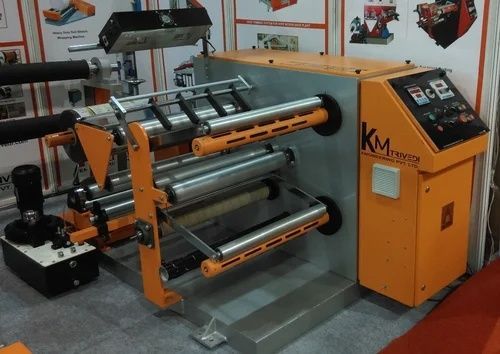
Discover Doctoring Machine Technology for Modern Manufacturing Processes
Doctoring machine technology plays an important role in many manufacturing industries where thin, even layers of material are applied to paper, films, textiles, metals, and other surfaces.
A doctoring machine uses a carefully positioned blade, commonly known as a doctor blade, to control the thickness of coatings and remove excess material. This process helps create consistent surface finishes that meet production requirements.
Modern industrial doctoring machine systems are used in paper production, packaging materials, flexible films, electronics, and many other manufacturing environments. As production standards continue to evolve, manufacturers rely on automated equipment to improve consistency while reducing unnecessary material waste. Understanding how a doctor blade machine works provides valuable insight into modern industrial coating processes and the technology behind many everyday products.
Context
Understanding doctoring machine technology
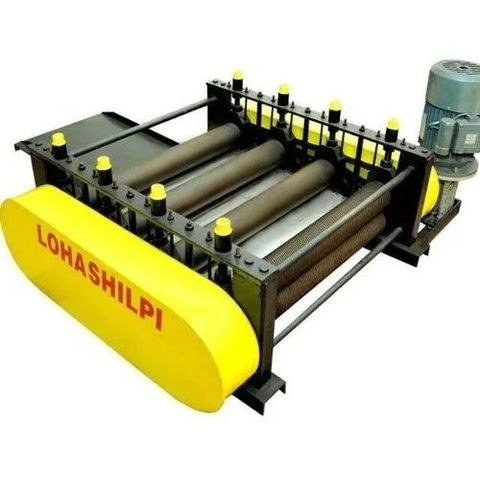
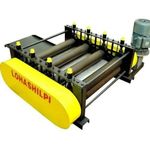
A doctoring machine is industrial equipment designed to spread, regulate, or remove liquid coatings from a moving surface. The primary working component is the doctor blade coating system, which precisely controls the amount of coating left on the material after excess material is removed.
The process originated in traditional paper manufacturing, where blades were used to smooth paper surfaces and improve print quality. Over time, the same principle expanded into many industries, including packaging, electronics, battery production, medical materials, and specialty films.
Today, precision coating machine technology combines mechanical engineering, automation, sensors, and computerized controls to produce uniform coatings across large production runs.
How the process works
Although different industries use different coating materials, the basic operating sequence remains similar.
- A substrate such as paper, plastic film, foil, or fabric moves through the production line.
- Liquid coating is applied to the surface.
- The doctor blade machine removes excess coating.
- The remaining coating forms a controlled and uniform layer.
- Drying or curing equipment completes the finishing process.
The thickness of the coating depends on several factors, including blade angle, pressure, coating viscosity, production speed, and machine settings.
Common materials processed
Modern web coating machinery can process a wide range of materials, including:
- Paper
- Plastic films
- Aluminum foil
- Textile fabrics
- Nonwoven materials
- Metal sheets
- Specialty composite materials
Different coating materials may include adhesives, protective coatings, inks, polymers, barrier coatings, silicone, and specialty chemical formulations.
Common machine types
| Machine Type | Typical Application | Main Purpose |
|---|---|---|
| Paper coating machine | Printing paper and packaging | Smooth surface coating |
| Film coating machine | Flexible plastic films | Barrier and protective layers |
| Precision coating machine | Electronics and specialty products | Uniform thin coatings |
| Web coating machinery | Continuous roll materials | High-volume production |
| Surface coating equipment | Various industrial materials | Protective surface finishing |
Importance
Supporting consistent manufacturing quality
One of the primary reasons industries use industrial coating equipment is consistency. Even slight differences in coating thickness may affect product performance, appearance, or durability.
Doctor blade coating systems help manufacturers maintain uniform coatings across long production runs, making finished materials more predictable for later processing.
Reducing material waste
Coating materials can represent a significant portion of manufacturing resources. A properly adjusted industrial doctoring machine removes unnecessary excess while leaving the required amount on the product surface.
This controlled application supports efficient material use and helps reduce unnecessary production waste.
Improving product performance
Many products depend on carefully controlled coatings rather than the base material alone.
Examples include:
- Moisture-resistant packaging
- Printable paper
- Protective industrial films
- Electronic insulation layers
- Decorative surface finishes
- Medical packaging materials
Uniform coatings often contribute to reliable product performance throughout manufacturing and later use.
Supporting automated production
Modern manufacturing increasingly depends on automated coating systems that can operate continuously with limited manual adjustment.
Automation helps manufacturers:
- Maintain consistent production speeds
- Monitor coating thickness
- Detect production variations
- Record manufacturing data
- Improve repeatability between production batches
These capabilities are particularly valuable in industries producing large volumes of coated materials.
Industries using doctoring technology
Industrial coating systems are commonly found in:
- Paper manufacturing
- Packaging production
- Flexible film manufacturing
- Printing industries
- Electronics manufacturing
- Battery component production
- Textile finishing
- Automotive materials
- Construction products
- Medical material manufacturing
Although each industry applies coatings differently, the underlying doctoring principle remains similar.
Recent Updates
Greater automation across production lines
Current trends show increasing integration between doctor blade machines and digital monitoring systems. Automated sensors can monitor coating thickness, web alignment, blade pressure, and production speed in real time.
These monitoring systems allow operators to identify variations more quickly while maintaining stable production conditions.
Improved precision coating
Manufacturers continue developing precision coating machine designs capable of handling increasingly thin coatings required for advanced materials.
Improved blade materials, motion control systems, and computerized adjustments contribute to more accurate coating application across various industrial sectors.
Smart monitoring systems
Many modern industrial coating equipment installations include digital monitoring features such as:
- Thickness measurement
- Production dashboards
- Quality tracking
- Predictive maintenance alerts
- Process data recording
These technologies support better process visibility without changing the basic doctor blade operating principle.
Sustainable manufacturing trends
Manufacturing industries continue exploring methods that reduce unnecessary material use while improving production efficiency.
Current development areas include:
- Lower material waste
- Improved coating accuracy
- Longer-lasting doctor blades
- Energy-efficient drying processes
- Increased recycling compatibility
These trends reflect broader manufacturing goals focused on resource efficiency.
Laws or Policies
Manufacturing standards
Industrial coating systems operate within manufacturing regulations that vary by country and industry. Requirements generally focus on worker safety, environmental protection, equipment reliability, and product quality.
Manufacturers often follow internationally recognized quality management systems alongside national industrial regulations.
Environmental regulations
Many countries regulate emissions, chemical handling, and waste generated during coating operations.
Depending on the coating materials involved, manufacturers may need to comply with regulations covering:
- Air emissions
- Wastewater treatment
- Chemical storage
- Worker exposure limits
- Hazard communication
- Industrial waste management
The exact requirements depend on local environmental authorities and the materials used during production.
Product quality standards
Products manufactured using a paper coating machine, film coating machine, or other surface coating equipment may also follow industry-specific technical standards.
Examples include packaging standards, food-contact material regulations, electronics manufacturing specifications, and construction material requirements.
These standards help ensure that coated materials meet intended performance requirements.
Tools and Resources
Several digital resources assist engineers, operators, researchers, and students in understanding coating processes and industrial equipment.
Helpful resources include:
- Computer-aided design (CAD) software for equipment layouts
- Production simulation software
- Coating thickness calculators
- Material compatibility databases
- Industrial automation platforms
- Quality management software
- Maintenance scheduling applications
- Manufacturing standards documentation
- Process monitoring dashboards
Educational materials from engineering organizations and manufacturing associations also provide practical explanations of doctor blade technology, web coating machinery, and industrial coating systems.
Many equipment manufacturers publish technical manuals explaining blade selection, machine adjustments, maintenance procedures, and production guidelines.
FAQs
What is a doctoring machine?
A doctoring machine is industrial equipment that controls the thickness of liquid coatings by using a doctor blade to remove excess material from a moving surface. It is widely used in paper, film, packaging, and other manufacturing industries.
How does a doctor blade machine improve coating quality?
A doctor blade machine helps create a more uniform coating thickness across the material surface. Consistent coating improves appearance, supports later manufacturing steps, and reduces variations in finished products.
What is the difference between a paper coating machine and a film coating machine?
A paper coating machine is designed primarily for paper-based materials, while a film coating machine processes plastic films and similar flexible materials. Both may use a doctor blade coating system, although machine configurations vary according to the material being processed.
Where is industrial coating equipment commonly used?
Industrial coating equipment is used in paper production, packaging, electronics, flexible films, textiles, automotive materials, medical manufacturing, and construction products where controlled surface coatings are required.
What is web coating machinery?
Web coating machinery processes continuous rolls of material rather than individual sheets. It allows coatings to be applied efficiently across long production runs while maintaining consistent thickness through automated coating systems.
Conclusion
Doctoring machine technology remains an important part of modern manufacturing because it helps produce consistent surface coatings across many industrial materials. Advances in automation, digital monitoring, and precision engineering continue to improve the performance of industrial coating equipment while supporting efficient production processes. From paper coating machines to film coating machines, these systems contribute to the production of numerous everyday products. Understanding their operation provides useful insight into how modern manufacturing creates reliable coated materials.