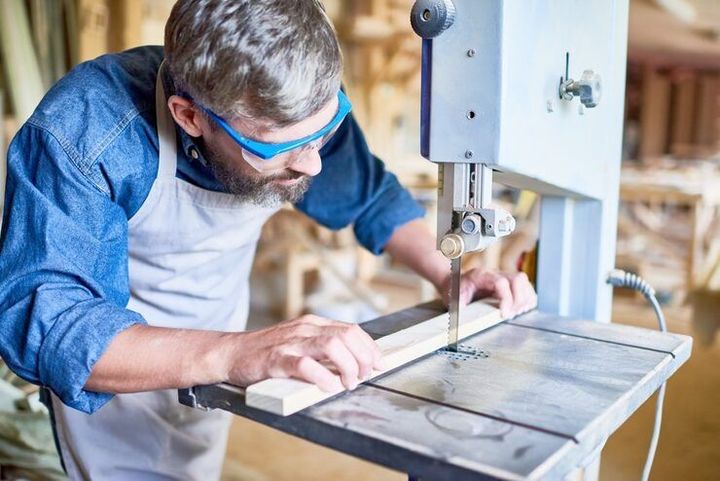
Complete Introduction to Band Saw Machines and Their Uses
Band saw machines are widely used cutting tools designed to cut different materials with accuracy and efficiency. They use a continuous looped blade that moves around two or more wheels, allowing smooth and consistent cutting. Today, band saw machines are found in manufacturing, woodworking, metalworking, construction, and educational workshops because they can create straight, curved, and irregular cuts with minimal material waste.
Understanding band saw machines helps individuals, students, and professionals recognize their role in modern production and fabrication. Whether cutting wood, metal, plastic, or composite materials, these machines support precision work across many industries. Learning about their features, applications, and safe operation provides valuable knowledge for anyone interested in industrial equipment.
Context
A band saw machine is a power-driven cutting machine that uses a long, flexible blade with teeth along one edge. The blade rotates continuously around wheels, creating an uninterrupted cutting motion. This design allows smoother cuts compared to many other cutting machines and reduces material waste.
Band saw machines have been used for many decades, with continuous improvements in blade materials, motor efficiency, and safety systems. Modern machines are available in different sizes for industrial production, educational workshops, maintenance facilities, and small fabrication environments.
Types of Band Saw Machines
The most common types include:
- Vertical band saw machines for detailed and curved cutting.
- Horizontal band saw machines for cutting bars, pipes, and structural materials.
- Portable band saw machines for field applications and maintenance work.
- Automatic and semi-automatic band saw machines used in repetitive industrial cutting.
Each type is designed to meet specific cutting requirements depending on the material, thickness, and production volume.
Common Materials Cut by Band Saw Machines
| Material | Typical Application |
|---|---|
| Wood | Furniture, cabinets, decorative work |
| Steel | Structural fabrication and manufacturing |
| Aluminum | Engineering components |
| Plastic | Industrial parts and prototypes |
| Composite materials | Specialized manufacturing |
Importance
Band saw machines play an important role in modern manufacturing because they improve cutting accuracy while reducing unnecessary material removal. Their continuous cutting motion helps produce smoother edges, making additional finishing work easier in many applications.
These machines affect a wide range of industries, including:
- Manufacturing and fabrication
- Construction
- Woodworking
- Metalworking
- Automotive component production
- Aerospace manufacturing
- Educational and technical training institutions
One important advantage is their versatility. A single machine can often process multiple materials simply by changing the blade type and adjusting operating settings.
Band saw machines also contribute to efficient material utilization. Narrow cutting paths reduce waste, which helps conserve raw materials during production.
Safety has become another significant focus. Modern equipment includes blade guards, emergency stop buttons, automatic shutoff systems, and improved blade tension monitoring to reduce operational risks.
Recent Updates
The band saw machine industry has experienced several developments between 2024 and 2026 as manufacturers continue improving efficiency, precision, and workplace safety.
Many newer machines now include digital control panels that simplify speed adjustments and operating settings. These systems allow operators to select cutting parameters more accurately for different materials.
Automation has also become more common. Automatic feeding systems and programmable cutting cycles improve consistency during repetitive operations while reducing manual handling.
Blade technology has continued to advance through improved carbide-tipped blades and bi-metal blade designs. These developments increase blade durability and support cleaner cutting across various materials.
Energy efficiency has received increased attention. Modern motors are designed to consume less electricity while maintaining consistent cutting performance, supporting sustainability goals in manufacturing.
Another growing trend is predictive maintenance. Some industrial band saw machines now include sensors that monitor blade condition, vibration, and machine performance, helping identify maintenance needs before unexpected downtime occurs.
Laws or Policies
The operation of band saw machines is governed by workplace safety regulations rather than machine-specific legislation alone. Requirements vary by country, but several common principles apply internationally.
Employers are generally expected to provide appropriate operator training before allowing machine operation. Training typically covers safe operating procedures, emergency response, maintenance practices, and personal protective equipment.
Machine guarding is another common requirement. Protective guards help reduce accidental contact with moving blades while maintaining visibility during operation.
Routine inspection and preventive maintenance are also recommended under many workplace safety standards. Proper blade tension, wheel alignment, lubrication, and electrical inspection contribute to safe and reliable operation.
Personal protective equipment commonly includes:
- Safety glasses
- Hearing protection where necessary
- Appropriate protective footwear
- Suitable work clothing without loose fabric
Many organizations also follow internationally recognized standards for machinery safety and quality management to improve workplace safety and operational consistency.
Tools and Resources
Several resources help users understand band saw machines, maintenance practices, and workplace safety.
Useful resources include:
- Occupational safety authority guidance documents
- Manufacturing industry associations
- Technical training institutions
- Equipment maintenance manuals
- Engineering reference publications
Some helpful tools include:
| Tool or Resource | Purpose |
| Blade speed calculators | Determine appropriate cutting speed |
| Material cutting charts | Match blade selection with materials |
| Maintenance checklists | Support routine inspections |
| Operator manuals | Explain machine operation and safety |
| Technical training guides | Improve knowledge and operating skills |
Many educational organizations also provide introductory learning materials covering machine setup, blade selection, cutting techniques, and maintenance practices.
FAQs
What is a band saw machine used for?
A band saw machine is used for cutting materials such as wood, metal, plastic, and composites with high accuracy. It can produce straight, curved, and irregular cuts depending on the machine type.
How does a band saw machine work?
A continuous toothed blade rotates around wheels while the material is guided into the blade. The uninterrupted cutting motion provides smooth and efficient cutting.
What materials can be cut using a band saw?
Depending on the blade type, band saw machines can cut wood, steel, aluminum, plastic, composite materials, and certain non-ferrous metals.
Why is blade selection important?
Different materials require different blade tooth sizes, materials, and cutting speeds. Proper blade selection improves cutting quality, efficiency, and blade life.
What safety practices should operators follow?
Operators should wear appropriate protective equipment, inspect the machine before use, keep guards in place, follow operating instructions, and receive proper training before operating the equipment.
Conclusion
Band saw machines remain an essential part of modern manufacturing, fabrication, woodworking, and engineering operations. Their continuous cutting action provides accurate results while supporting efficient material usage across many industries.
Ongoing technological improvements between 2024 and 2026 have introduced smarter controls, improved blade technology, enhanced automation, and better safety features. Understanding how band saw machines work, following workplace safety practices, and using appropriate resources helps users operate these machines effectively and responsibly.

You May Also Like