Discover Pyrolysis Machines: Modern Technology for Waste Conversion
Waste management has become an important topic as communities and industries look for practical ways to reduce landfill waste and recover useful materials.
A pyrolysis machine is one example of technology designed to process certain types of waste under controlled heating conditions without direct oxygen exposure. This approach is used in different industries to convert selected waste materials into products such as oil, gas, carbon-rich solids, or other by-products, depending on the feedstock and system design.
A waste pyrolysis machine can process materials including used tires, certain plastics, biomass, and other organic materials that are suitable for thermal decomposition. Different systems are available for different applications, ranging from small research units to large industrial pyrolysis equipment. Understanding how these systems work helps explain their role in modern waste management and environmental recycling solutions.
Context
Understanding Pyrolysis Technology
Pyrolysis is a thermal process in which organic materials are heated in an environment with little or no oxygen. Unlike open burning or traditional combustion, the material does not burn in the usual way. Instead, heat causes the material to break down into different chemical compounds.
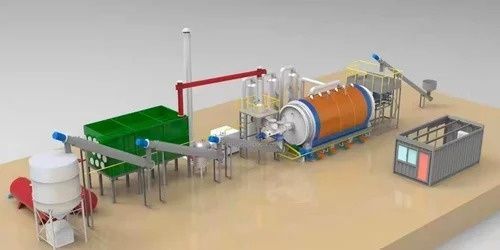
A pyrolysis plant typically includes several connected components that work together throughout the process. Common parts include:
- Feed preparation equipment
- A pyrolysis reactor
- Heating systems
- Gas collection units
- Oil condensation systems
- Carbon residue collection
- Emission treatment equipment
- Control and monitoring systems
The design of each system depends on the type of material being processed and the intended application.
Types of Pyrolysis Machines
Several categories of pyrolysis equipment exist for different waste streams.
A tire pyrolysis machine is designed to process end-of-life vehicle tires. Tires contain rubber, carbon black, steel, and other materials that can be separated during processing.
A plastic pyrolysis machine is intended for selected plastic materials that are suitable for thermal decomposition. Not every plastic type is appropriate, so sorting is usually required before processing.
A biomass pyrolysis machine processes natural materials such as agricultural residues, wood waste, coconut shells, rice husks, and similar organic feedstocks.
Large industrial facilities often use a continuous pyrolysis plant, where material moves through the system continuously rather than being processed in separate batches. This design can support larger processing volumes.
How the Process Works
Although system designs vary, the basic process usually follows several stages.
| Process Stage | Purpose |
|---|---|
| Material preparation | Sorting, cleaning, and size reduction of suitable waste |
| Feeding | Material enters the reactor |
| Heating | Temperature increases in a low-oxygen environment |
| Thermal decomposition | Material breaks into gases, liquids, and solid residue |
| Condensation | Vapors cool into liquid products |
| Gas handling | Non-condensable gases are collected or reused |
| Residue removal | Carbon-rich solids and metals are separated |
The operating temperature depends on the material being processed and the intended outcome.
Importance
Supporting Waste Management
Many regions continue to experience growing volumes of plastic waste, used tires, and agricultural residues. Traditional disposal methods such as landfill storage occupy land over long periods, while uncontrolled burning may contribute to environmental concerns.
Waste recycling equipment that includes pyrolysis systems represents one of several approaches used to manage suitable waste materials. Rather than treating all waste in the same way, different recycling technologies can be selected based on material type.
Resource Recovery
One reason pyrolysis receives attention is its ability to recover materials from selected waste streams. Depending on the feedstock and processing conditions, outputs may include:
- Liquid hydrocarbons
- Carbon-rich solids
- Steel recovered from tires
- Process gases that may support heating requirements within the system
These recovered materials may undergo additional processing before being used in various industrial applications.
Industrial Applications
Industrial recycling equipment is used across multiple sectors, including:
- Municipal waste management
- Tire processing facilities
- Plastic recovery operations
- Agricultural residue management
- Biomass processing
- Research institutions
- Manufacturing industries
The exact application depends on local waste availability, environmental regulations, and industrial requirements.
Environmental Considerations
Environmental recycling solutions continue to develop as governments and industries seek ways to reduce waste generation and improve resource recovery.
Modern systems generally include emission control equipment designed to reduce environmental impact. Proper operation, maintenance, and regulatory compliance remain important for safe operation.
It is also important to recognize that pyrolysis is only one part of broader waste management strategies that include waste reduction, material reuse, mechanical recycling, composting, and energy recovery.
Recent Updates
Improved Automation
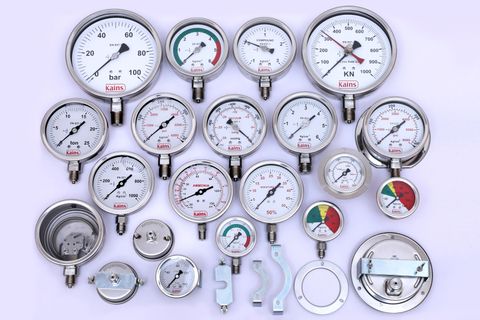
Current industrial pyrolysis equipment increasingly incorporates digital monitoring systems that continuously track operating conditions. Temperature sensors, pressure monitoring, automated controls, and remote system supervision have become more common.
These improvements help operators maintain stable operating conditions while collecting operational data for maintenance planning and process analysis.
Better Feedstock Preparation
Recent developments place greater emphasis on preparing materials before processing. Improved sorting technologies help separate unsuitable materials from plastics, tires, and biomass.
Better feedstock preparation contributes to more consistent operation and supports improved product quality.
Growth of Continuous Processing
Many newer industrial facilities are adopting continuous pyrolysis plant designs instead of relying entirely on batch systems. Continuous processing allows material to move steadily through the reactor while maintaining stable operating temperatures.
This approach may support larger processing capacities for industrial applications.
Integration with Recycling Systems
Rather than functioning independently, pyrolysis plants are increasingly integrated into broader waste management systems. Mechanical recycling, material recovery facilities, sorting technologies, and thermal processing may work together depending on the characteristics of incoming waste.
This integrated approach recognizes that different recycling methods are appropriate for different materials.
Laws or Policies
Environmental Regulations
Many countries regulate pyrolysis operations through environmental protection laws. These regulations typically address areas such as:
- Air emission standards
- Waste handling procedures
- Industrial safety requirements
- Environmental monitoring
- Equipment inspections
- Record keeping
Operators are generally expected to comply with local environmental requirements before beginning operation.
Waste Management Policies
Governments continue to introduce policies encouraging improved waste management and resource recovery. While specific regulations differ between countries, common objectives include:
- Reducing landfill dependence
- Increasing recycling rates
- Improving waste separation
- Supporting responsible industrial waste processing
- Encouraging circular economy practices
Pyrolysis facilities usually operate within these broader waste management frameworks.
Safety Standards
Because pyrolysis involves elevated temperatures and industrial equipment, safety standards play an important role.
Typical areas covered by industrial regulations include equipment design, pressure systems, fire prevention, worker protection, emergency procedures, and routine maintenance requirements.
Tools and Resources
Several tools and information resources help individuals, researchers, and organizations better understand pyrolysis technology.
Useful resources include:
- Government environmental agency websites explaining waste management regulations.
- Industrial engineering publications discussing thermal processing methods.
- Environmental impact assessment templates used during project planning.
- Material compatibility guides that identify plastics and biomass suitable for thermal processing.
- Engineering software used for process simulation and equipment design.
- Carbon footprint calculators that estimate emissions associated with different waste management methods.
- Academic research databases containing studies on pyrolysis technology.
- Waste characterization guides used for identifying recyclable materials.
These resources support learning, planning, and research related to waste recycling equipment and environmental recycling solutions.
FAQs
What is a pyrolysis machine?
A pyrolysis machine is industrial equipment that heats suitable organic materials in a low-oxygen environment. The process converts selected waste into gases, liquid products, and carbon-rich solids through thermal decomposition rather than traditional burning.
How does a waste pyrolysis machine differ from a plastic recycling machine?
A waste pyrolysis machine uses heat to chemically break down suitable materials, while a plastic recycling machine used in mechanical recycling generally cleans, shreds, melts, and reshapes compatible plastics without changing their chemical structure.
What materials can a tire pyrolysis machine process?
A tire pyrolysis machine is designed to process end-of-life rubber tires. During processing, rubber decomposes into different products while steel components are separated for additional handling.
What is a continuous pyrolysis plant?
A continuous pyrolysis plant processes material continuously instead of in separate batches. Material moves steadily through the pyrolysis reactor, supporting uninterrupted operation for larger industrial applications.
Is biomass pyrolysis machine technology used only for energy production?
No. A biomass pyrolysis machine may produce different outputs depending on operating conditions and feedstock. Applications include research, material recovery, biochar production, industrial processing, and waste management.
Conclusion
Pyrolysis technology provides one approach for processing selected waste materials through controlled thermal decomposition. Different systems, including tire pyrolysis machines, plastic pyrolysis machines, biomass pyrolysis machines, and continuous pyrolysis plants, serve different industrial applications. Modern industrial pyrolysis equipment increasingly incorporates automation, environmental monitoring, and improved process controls. As waste management continues to evolve, pyrolysis remains one of several technologies used within broader environmental recycling solutions.