Industrial Condensers Explanation: Facts Every Engineer and Facility Manager Should Know
Industrial condensers are an important part of many manufacturing and processing environments.
They are designed to remove heat from vapor and convert it back into liquid through a controlled cooling process. This principle is widely used in power generation, industrial refrigeration, chemical processing, food production, and many other industries where temperature control plays a significant role.
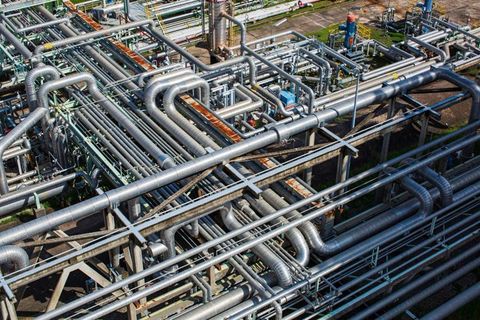
The concept of condensation has been used for many decades as industries searched for efficient ways to recover liquids, improve thermal efficiency, and reduce unnecessary heat within production systems. Today, industrial condensers work alongside industrial cooling systems and process cooling equipment to support stable operation in a wide range of facilities.
Several condenser designs exist because different industries have different operating conditions. A shell and tube condenser is commonly used where large heat loads and liquid cooling are required, while an air cooled condenser is often selected in locations where water availability is limited. A water cooled condenser remains common in facilities with reliable cooling water supplies, especially where continuous operation is important.
Industrial condenser manufacturers and industrial condenser suppliers produce equipment designed for various industrial applications. Their equipment may be found in chemical plants, manufacturing facilities, refrigeration systems, processing plants, and power generation facilities.
Importance
Industrial condensers play a significant role in maintaining safe and efficient industrial processes. Without proper heat removal, many production systems would experience unstable temperatures, reduced operating efficiency, and additional strain on connected equipment.
Supporting Heat Transfer
Heat naturally moves from hotter materials to cooler ones. A heat exchanger condenser is designed to transfer this heat efficiently, allowing steam or vapor to return to a liquid state. This continuous cycle helps maintain stable operating conditions.
Improving Process Stability
Many industrial operations depend on precise temperature control. Process condenser equipment helps maintain these conditions by removing excess heat generated during production.
Industries that commonly use industrial condensers include:
- Power generation
- Chemical manufacturing
- Food processing
- Pharmaceutical manufacturing
- Petrochemical processing
- Paper production
- Industrial refrigeration
- Metal processing
Supporting Energy Efficiency
When steam is condensed and recovered, facilities may reuse water within certain systems instead of continuously introducing new supplies. Steam condenser systems therefore contribute to improved thermal management while supporting efficient plant operation.
Different Condenser Types
The following table summarizes several common condenser designs.
| Condenser Type | Cooling Method | Common Applications | Typical Characteristics |
|---|---|---|---|
| Shell and tube condenser | Water | Chemical plants, power stations | Handles high pressures and temperatures |
| Air cooled condenser | Ambient air | Water-limited locations | Reduced dependence on cooling water |
| Water cooled condenser | Cooling water | Manufacturing facilities | High heat transfer efficiency |
| Industrial refrigeration condensers | Air or water | Cold storage and refrigeration | Supports refrigeration cycles |
| Heat exchanger condenser | Various cooling media | Multiple industries | Transfers heat between fluids |
Supporting Industrial Equipment
Industrial condensers work alongside many other systems, including:
- Pumps
- Cooling towers
- Boilers
- Compressors
- Industrial cooling systems
- Process cooling equipment
- Heat exchangers
- Steam generation equipment
Together, these components help maintain reliable process temperatures throughout production facilities.
Recent Updates
Greater Focus on Energy Management
Current industrial development continues to emphasize efficient heat recovery and improved thermal management. Many newer condenser designs aim to improve heat transfer while reducing unnecessary energy losses.
Digital monitoring has also become more common. Modern monitoring systems can observe temperatures, pressure levels, and cooling performance, allowing operators to identify changes before they affect production.
Increased Automation
Automation continues to expand across industrial facilities. Many steam condenser systems now integrate with plant monitoring platforms that continuously collect operating information.
Examples include:
- Temperature monitoring
- Pressure measurement
- Flow monitoring
- Remote diagnostics
- Predictive maintenance software
These tools help operators better understand equipment performance during daily operation.
Improved Materials
Manufacturers increasingly use corrosion-resistant materials suited for demanding industrial environments. Depending on the application, condensers may include stainless steel, titanium, copper alloys, or specialized coatings that improve durability under specific operating conditions.
Environmental Considerations
Industrial facilities are placing additional attention on reducing water consumption and improving overall thermal efficiency. Air cooled condenser systems continue to receive interest in regions where water conservation is an important consideration.
Meanwhile, water cooled condenser technology continues to evolve through improved heat transfer designs and better water management practices.
Laws or Policies
Industrial condenser operation is influenced by engineering standards, workplace safety requirements, and environmental regulations. Exact requirements differ between countries, industries, and facility types.
Workplace Safety
Many countries require industrial facilities to follow occupational safety regulations related to pressure systems, steam equipment, and heat-producing machinery. Regular inspection and maintenance help verify that equipment continues operating within approved limits.
Environmental Regulations
Cooling systems may also be affected by environmental rules involving:
- Water usage
- Wastewater management
- Thermal discharge
- Energy efficiency
- Industrial emissions
Facilities often monitor cooling processes to remain consistent with applicable environmental requirements.
Equipment Standards
Industrial equipment is frequently designed according to recognized engineering standards covering pressure vessels, piping systems, heat exchangers, and welding practices. These standards provide guidance for design, manufacturing, testing, and inspection.
Industry Documentation
Facility managers commonly maintain documentation including:
- Equipment specifications
- Inspection records
- Maintenance schedules
- Operating procedures
- Safety documentation
Accurate records support consistent equipment management throughout the operating life of the condenser.
Tools and Resources
Various engineering resources help engineers and facility managers understand industrial condensers and related cooling equipment.
Engineering Design Software
Computer-aided engineering software assists with equipment layout, piping design, thermal calculations, and system modeling.
Heat Transfer Calculators
Heat transfer calculators estimate important values such as:
- Heat load
- Cooling capacity
- Temperature difference
- Flow requirements
- Condensation rates
These calculations support planning during equipment selection and system design.
Process Simulation Platforms
Simulation software allows engineers to model chemical process condensers, steam condenser systems, and industrial refrigeration condensers before implementation. These digital models help visualize system behavior under different operating conditions.
Equipment Documentation
Industrial condenser manufacturers commonly publish technical documentation that explains:
- Operating limits
- Material specifications
- Installation guidance
- Inspection intervals
- Maintenance procedures
Such documents provide technical information for engineers responsible for equipment management.
Industry Organizations
Engineering organizations regularly publish educational materials covering:
- Heat exchanger technology
- Process cooling equipment
- Industrial cooling systems
- Pressure equipment guidance
- Thermal engineering principles
These publications help readers understand current engineering practices without focusing on any particular manufacturer.
FAQs
What are industrial condensers used for?
Industrial condensers remove heat from vapor so that it condenses into liquid. They are commonly used in power generation, manufacturing, chemical processing, industrial refrigeration, and many other industrial environments.
What is the difference between a shell and tube condenser and an air cooled condenser?
A shell and tube condenser usually transfers heat using cooling water flowing through tubes, while an air cooled condenser removes heat using ambient air and cooling fans. The appropriate design depends on the operating environment and cooling requirements.
How do industrial condenser manufacturers design equipment for different industries?
Industrial condenser manufacturers design equipment according to factors such as operating temperature, pressure, cooling medium, corrosion resistance, and process requirements. Different industries require different materials and condenser configurations.
Where are process condenser equipment and chemical process condensers commonly used?
Process condenser equipment and chemical process condensers are commonly used in chemical manufacturing, petrochemical production, pharmaceutical manufacturing, food processing, and industrial processing facilities where controlled condensation is part of production.
How do industrial cooling systems work with steam condenser systems?
Industrial cooling systems remove heat from the condenser through water, air, or another cooling medium. Steam condenser systems then convert steam back into liquid, allowing the process cycle to continue under controlled operating conditions.
Conclusion
Industrial condensers are essential components within many industrial processes because they remove heat and convert vapor back into liquid. Different condenser designs, including shell and tube condenser, air cooled condenser, water cooled condenser, and industrial refrigeration condensers, support different operating conditions. Advances in monitoring technology, materials, and thermal management continue to improve process cooling equipment and industrial cooling systems. Understanding their operation, applicable regulations, and supporting engineering resources helps explain their important role across modern industrial facilities.