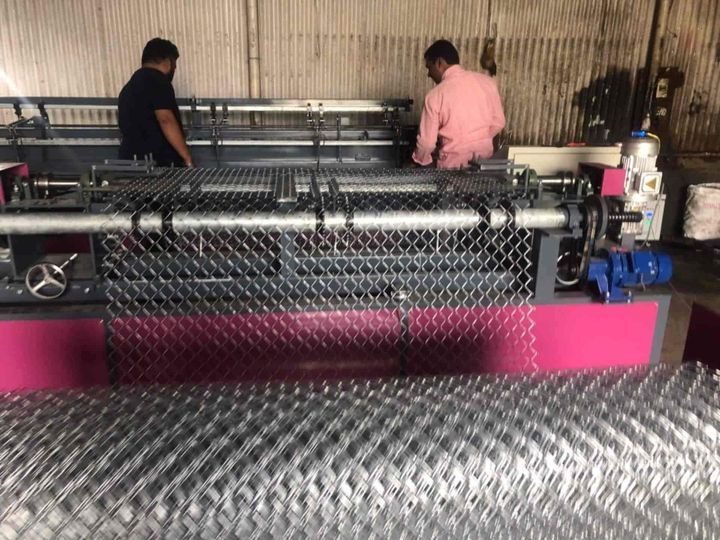
Chain Link Fencing Machine Overview: Production Process and Performance Insights
Chain link fencing is widely used to create secure boundaries around residential areas, industrial facilities, sports grounds, schools, farms, and public spaces.
A chain link fencing machine is designed to transform metal wire into a woven mesh pattern that forms this familiar style of fencing. As manufacturing methods have developed over time, these machines have become more automated while maintaining consistent production quality.
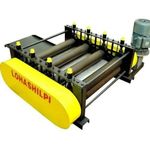
A modern chain link fence machine combines wire feeding, weaving, cutting, and roll formation into a structured production process. Depending on the design, equipment may operate with varying levels of automation, allowing manufacturers to produce fencing in different mesh sizes, wire diameters, and roll lengths. Understanding how these machines work helps readers appreciate the technology behind an everyday product that serves many practical purposes.
Context
Understanding the Manufacturing Process
A chain link fence making machine creates interwoven wire patterns by bending and twisting metal wire into a diamond-shaped mesh. The process starts with prepared wire, which is guided into the machine through rollers before being woven into the desired pattern.
Many production facilities use an automatic chain link fencing machine because automation can improve production consistency while reducing manual handling. Different machine models may support various production capacities depending on their intended industrial application.
Main Components
Although designs differ among manufacturers, most machines include similar sections:
- Wire feeding system that guides raw wire into the machine.
- Straightening mechanism that prepares wire before weaving.
- Weaving section where the mesh pattern is formed.
- Cutting system that separates completed sections.
- Rolling mechanism that forms finished fence rolls.
- Control panel for adjusting operating settings.
Together, these components allow continuous production while maintaining consistent mesh dimensions.
Types of Machines
Several machine categories are available depending on manufacturing requirements.
| Machine Type | Typical Application | Automation Level |
|---|---|---|
| Manual-assisted | Small production volumes | Low |
| Semi-automatic | Medium-scale production | Moderate |
| Fully automatic | Large industrial production | High |
| Multi-wire production systems | Continuous manufacturing | High |
A chain link mesh machine may also support different wire materials, including galvanized steel and coated wire, depending on production requirements.
Importance
Supporting Infrastructure Development
Fencing remains an important part of infrastructure projects worldwide. Roads, factories, airports, agricultural land, sports facilities, and public institutions commonly use chain link fencing because of its practical design.
As construction activities continue in many regions, demand for reliable manufacturing equipment has also grown. A chain link weaving machine helps manufacturers produce fencing efficiently for projects requiring large quantities of mesh.
Improving Production Consistency
Industrial manufacturing often depends on repeatable processes. A fence manufacturing machine allows operators to maintain consistent mesh spacing, wire tension, and roll dimensions throughout production.
Automation also reduces variation that may occur during repeated manual operations. This consistency is particularly important when fencing must meet specific project requirements.
Supporting Different Industries
Many sectors use chain link fencing for different purposes, including:
- Agriculture for field boundaries.
- Transportation facilities for perimeter security.
- Sports complexes for playing field enclosures.
- Industrial facilities for restricted areas.
- Residential developments for property boundaries.
- Educational institutions for outdoor spaces.
Because these applications differ in size and design, manufacturers often require flexible production equipment capable of producing multiple mesh specifications.
Recent Updates
Growing Use of Automation
Industrial machinery continues moving toward greater automation. Many chain link production machine models now include programmable control systems that allow operators to adjust production settings more efficiently.
Automation also supports continuous operation while reducing manual adjustments during manufacturing.
Improved Digital Controls
Modern wire mesh making machine designs increasingly incorporate digital interfaces that simplify machine monitoring. Operators can observe production parameters such as speed, wire feed, and machine status through integrated control systems.
Digital monitoring also assists with routine maintenance planning by identifying operating conditions before production interruptions occur.
Focus on Energy Efficiency
Manufacturers of industrial equipment continue developing machinery with improved energy management. Updated drive systems, motors, and control technologies aim to reduce unnecessary power consumption while maintaining production output.
Although efficiency varies between machine models, energy management has become an important consideration across industrial wire processing machinery.
Flexible Production Capabilities
Recent manufacturing trends also emphasize flexibility. Many machines are designed to accommodate multiple wire diameters and mesh sizes with relatively straightforward mechanical adjustments.
This flexibility allows manufacturers to produce fencing for different applications without requiring separate production equipment for every specification.
Laws or Policies
Machinery Safety Standards
Industrial machinery is generally subject to workplace safety regulations that vary by country. These rules often address operator protection, machine guarding, emergency stop systems, electrical safety, and maintenance procedures.
Manufacturers and operators typically follow recognized industrial safety standards to reduce workplace risks during machine operation.
Product Quality Requirements
Chain link fencing produced using industrial mesh production systems may be expected to meet national or regional product specifications depending on its intended application. These standards often describe acceptable wire dimensions, coating characteristics, mesh spacing, and manufacturing tolerances.
Construction projects sometimes specify compliance with recognized quality standards before fencing materials are approved for installation.
Environmental Considerations
Many manufacturing facilities follow environmental regulations related to:
- Industrial waste management.
- Metal recycling.
- Noise control.
- Air emissions.
- Energy management.
- Responsible material handling.
Environmental expectations differ across countries, but sustainable manufacturing practices continue becoming more common throughout the industry.
Workplace Safety Programs
Many governments encourage workplace safety through inspection programs and occupational health regulations. Machine operators often receive training covering equipment operation, maintenance procedures, emergency responses, and safe handling of metal wire.
These practices contribute to safer production environments while supporting consistent manufacturing quality.
Tools and Resources
Computer-Aided Design Software
Many manufacturers use computer-aided design software when developing fencing layouts or planning production specifications. Digital design tools help visualize dimensions before manufacturing begins.
Production Monitoring Systems
Modern manufacturing facilities frequently use production monitoring software that tracks operating performance, production quantities, machine efficiency, and maintenance schedules.
These systems provide useful operational information without interrupting manufacturing activities.
Material Calculation Tools
Wire length calculators and mesh calculation templates help estimate production requirements based on fence height, mesh size, roll length, and wire diameter.
Such planning tools assist manufacturers in organizing production schedules more efficiently.
Quality Inspection Equipment
Production facilities commonly use measuring equipment such as:
- Digital calipers.
- Wire diameter gauges.
- Mesh dimension templates.
- Roll measuring devices.
- Tension measurement tools.
These instruments help verify that finished fencing meets planned specifications.
Industry Information Platforms
Engineering publications, manufacturing associations, technical documentation, and machinery manuals provide valuable information about equipment operation, maintenance, production methods, and safety practices. These resources help users stay informed about developments within the wire mesh manufacturing machine industry.
FAQs
What is a chain link fencing machine?
A chain link fencing machine is industrial equipment that transforms metal wire into woven diamond-shaped fencing. The machine feeds, bends, twists, and rolls the wire into finished fence sections suitable for many applications.
How does an automatic chain link fencing machine work?
An automatic chain link fencing machine feeds prepared wire through straightening, weaving, cutting, and rolling stages with limited manual intervention. Automated controls help maintain consistent production throughout the manufacturing process.
What materials can a chain link fence making machine process?
Many machines are designed to process galvanized steel wire, coated wire, and other suitable metal wire used in fencing production. Material compatibility depends on machine design and operating specifications.
What is the difference between a chain link mesh machine and a wire mesh making machine?
A chain link mesh machine is specifically designed for woven diamond-pattern fencing, while a wire mesh making machine may produce several different mesh styles depending on its design and manufacturing purpose.
Why are industrial wire processing machinery systems becoming more automated?
Automation supports consistent production, simplified machine control, improved monitoring, and reduced manual handling during manufacturing. Many modern industrial fencing machine designs include digital control systems that assist operators with production management.
Conclusion
Chain link fencing remains an important construction material used across residential, agricultural, commercial, and industrial environments. The machinery used to manufacture this fencing has evolved from basic mechanical equipment into automated production systems with digital controls and improved operational efficiency. Understanding the production process, equipment components, industry practices, and regulatory considerations provides a clearer picture of how modern fencing is manufactured. Ongoing developments continue to focus on consistency, safety, flexibility, and efficient production across the manufacturing sector.