Cabinet Making Machines Overview: Important Details Every Woodworking Professional Should Know
Cabinet making has changed significantly over the years as woodworking has moved from manual craftsmanship.
Modern cabinet making machines are designed to improve accuracy, consistency, and production efficiency while supporting different cabinet styles and materials. Today, these machines are commonly found in workshops, furniture factories, and manufacturing facilities that produce kitchen cabinets, office furniture, wardrobes, and storage systems.
An industrial cabinet making machine typically performs specific operations such as cutting, drilling, routing, shaping, or edge finishing. Many facilities also use an automated cabinet production line that connects several machines into one continuous workflow. This approach reduces manual handling and improves production consistency across large numbers of cabinet components.
Cabinet manufacturing equipment now includes many specialized systems. Examples include a CNC router for cabinet making, cabinet machining center, panel saw machine, edge banding machine, cabinet drilling machine, and other industrial woodworking machinery. Each machine focuses on a particular stage of production while working together as part of a woodworking production line.
As furniture designs become more customized and materials continue to evolve, cabinet production equipment has also developed to accommodate various panel sizes, wood types, laminates, engineered boards, and decorative finishes.
Importance
Supporting Consistent Production
Modern furniture manufacturing machine systems help produce cabinet parts with consistent dimensions and repeatable quality. Accurate measurements are particularly important because cabinet doors, drawers, shelves, and panels must fit together correctly during assembly.
Improving Material Efficiency
Industrial wood processing equipment helps optimize the use of wood panels and engineered materials. Computer-controlled cutting patterns can reduce unnecessary waste while making better use of available material.
Reducing Manual Work
Many manufacturing tasks that once required repeated manual operations can now be completed using automated equipment. Machines handle repetitive cutting, drilling, routing, and edge finishing with consistent precision while operators supervise production processes.
Meeting Different Design Requirements
Cabinet production today includes many different styles and sizes. Equipment can often accommodate:
- Modular kitchen cabinets
- Office storage units
- Bathroom cabinets
- Wardrobes
- Display cabinets
- Commercial storage furniture
- Educational furniture
- Healthcare cabinetry
Flexible programming allows manufacturers to produce both standardized and customized cabinet components.
Improving Workplace Organization
A woodworking production line organizes production into clear stages. Materials move from cutting to machining, drilling, edge finishing, and final assembly preparation in a structured sequence that helps reduce production delays.
Common Types of Cabinet Making Machines
Panel Saw Machine
A panel saw machine is typically the starting point of cabinet production. It cuts large sheets of plywood, MDF, particle board, or laminated panels into accurately sized pieces according to production requirements.
CNC Router for Cabinet Making
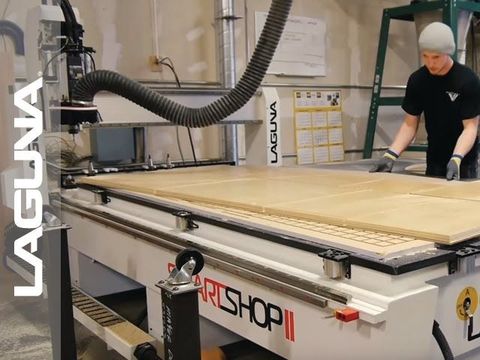
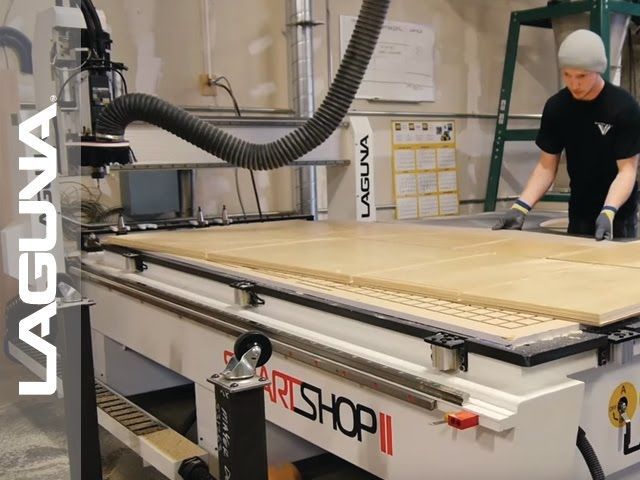
A CNC router for cabinet making performs automated cutting, routing, slotting, grooving, engraving, and shaping operations. Computer-controlled programming allows the machine to produce identical components repeatedly with precise measurements.
Cabinet Drilling Machine
A cabinet drilling machine creates holes for hinges, shelf supports, drawer slides, connectors, and assembly hardware. Multi-spindle drilling systems allow several holes to be produced simultaneously according to programmed layouts.
Edge Banding Machine
After cutting, exposed panel edges are typically finished using an edge banding machine. The machine applies edge material to improve appearance while protecting exposed board edges.
An automatic edge bander combines multiple operations such as adhesive application, trimming, pressing, corner rounding, scraping, and polishing within one continuous process.
Cabinet Machining Center
A cabinet machining center combines several machining functions into one system. Cutting, routing, drilling, and shaping operations can often be completed without moving the workpiece between multiple machines.
Automated Cabinet Production Line
An automated cabinet production line connects various machines through conveyors or handling systems. Material moves efficiently through cutting, machining, drilling, edge finishing, labeling, and sorting before assembly preparation.
Typical Cabinet Manufacturing Workflow
The following table summarizes how cabinet manufacturing equipment is commonly organized.
| Production Stage | Common Machine | Primary Function |
|---|---|---|
| Material Preparation | Panel saw machine | Cuts large boards into panels |
| Component Shaping | CNC router for cabinet making | Cuts and shapes cabinet parts |
| Drilling | Cabinet drilling machine | Produces hardware and assembly holes |
| Edge Finishing | Edge banding machine | Applies protective edge material |
| Advanced Machining | Cabinet machining center | Performs multiple machining operations |
| Material Handling | Cabinet production equipment | Organizes finished components |
| Assembly Preparation | Woodworking production line | Sorts parts before cabinet assembly |
Importance of Automation in Cabinet Production
Better Workflow Coordination
Automation allows different machines to communicate through production software. This coordination helps maintain an organized workflow from raw material preparation through finished cabinet components.
Consistent Component Accuracy
Since cabinet parts often fit together with very small tolerances, automated machining reduces dimensional variation between components.
Easier Production Planning
Many industrial woodworking machinery systems work with digital production files. Design information can be transferred directly from planning software into machine programs, reducing manual data entry.
Material Tracking
Modern cabinet production equipment often includes labeling systems that identify individual panels throughout production. Labels help track each component until final cabinet assembly.
Recent Updates
Greater Use of Smart Manufacturing
Many manufacturers are integrating industrial woodworking machinery with digital production management systems. Machine monitoring, production scheduling, and maintenance planning are becoming increasingly connected through centralized software platforms.
Expanded Automation
Automated cabinet production line systems continue to become more flexible. Robotic material handling, automatic loading systems, and conveyor integration are becoming more common in larger manufacturing environments.
Improved CNC Software
Programming software for CNC router for cabinet making equipment continues to become easier to use. Visual interfaces simplify design preparation while improving compatibility with cabinet design software.
Energy Management Features
Many newer cabinet manufacturing equipment models include energy-saving operating modes, automatic standby functions, and improved motor efficiency to reduce overall power consumption during production.
Better Data Integration
Manufacturers increasingly connect cabinet machining center equipment with production databases. This integration helps monitor production progress, maintenance schedules, and machine utilization using digital reporting tools.
Laws or Policies
Cabinet manufacturing is influenced by workplace safety, environmental protection, and product quality regulations. While specific requirements differ between countries, several general areas commonly apply.
Workplace Safety
Industrial woodworking machinery normally operates under occupational safety regulations. These rules often address:
- Machine guarding
- Emergency stop systems
- Dust collection
- Operator training
- Personal protective equipment
- Electrical safety
- Noise management
Environmental Requirements
Many countries regulate wood dust emissions, waste disposal, and air quality in manufacturing facilities. Dust extraction systems are commonly incorporated into cabinet production equipment to help maintain cleaner working environments.
Electrical Standards
Machines generally follow electrical safety standards covering wiring, control systems, grounding, and emergency shutdown procedures.
Product Standards
Finished cabinets may need to satisfy quality requirements related to durability, material safety, formaldehyde emissions from engineered wood products, and structural performance depending on regional regulations.
Tools and Resources
Various digital resources assist cabinet manufacturing and production planning.
CAD Software
Computer-aided design software allows designers to create cabinet layouts, dimensions, and component drawings before production begins.
CAM Software
Computer-aided manufacturing software converts design files into machine instructions used by a CNC router for cabinet making and other automated equipment.
Production Management Systems
Manufacturing execution software tracks production schedules, machine utilization, work orders, and inventory throughout the woodworking production line.
Nesting Software
Material nesting software arranges cabinet parts efficiently on large wood panels to improve material utilization before cutting begins.
Maintenance Planning Tools
Digital maintenance platforms help organize inspection schedules, equipment records, lubrication intervals, and replacement parts management for industrial wood processing equipment.
Measurement and Quality Inspection Equipment
Common inspection tools include:
- Digital calipers
- Laser measuring devices
- Moisture meters
- Precision squares
- Surface inspection gauges
- Thickness measuring instruments
These tools help verify dimensions and maintain consistent production quality.
FAQs
What are cabinet making machines used for?
Cabinet making machines are used to cut, drill, shape, route, and finish wood panels that become cabinets, wardrobes, shelving units, office furniture, and similar products. Different machines perform different production tasks throughout the manufacturing process.
What is an industrial cabinet making machine?
An industrial cabinet making machine is equipment designed for continuous cabinet production in manufacturing facilities. Depending on its purpose, it may perform cutting, drilling, routing, machining, or edge finishing operations.
How does a CNC router for cabinet making improve production?
A CNC router for cabinet making follows computer-generated instructions to produce accurate cuts, grooves, pockets, and shapes. This helps maintain consistent dimensions across multiple cabinet components while reducing manual measurement.
What is the purpose of an automatic edge bander?
An automatic edge bander applies protective edge material to exposed cabinet panels. It can complete adhesive application, trimming, pressing, polishing, and finishing within one continuous production process.
What machines are included in an automated cabinet production line?
An automated cabinet production line may include a panel saw machine, cabinet drilling machine, cabinet machining center, edge banding machine, conveyors, labeling systems, sorting equipment, and other cabinet production equipment depending on manufacturing requirements.
Conclusion
Cabinet making machines have become an important part of modern woodworking by improving production consistency, material utilization, and manufacturing organization. Different types of cabinet manufacturing equipment perform specialized tasks that work together throughout the production process. Advances in automation, digital software, and industrial woodworking machinery continue to shape how cabinets are manufactured across a wide range of applications. Understanding these machines provides useful background for anyone interested in woodworking, furniture production, or industrial manufacturing.