Flow Line Piping Overview: Important Features, Functions, and System Benefits
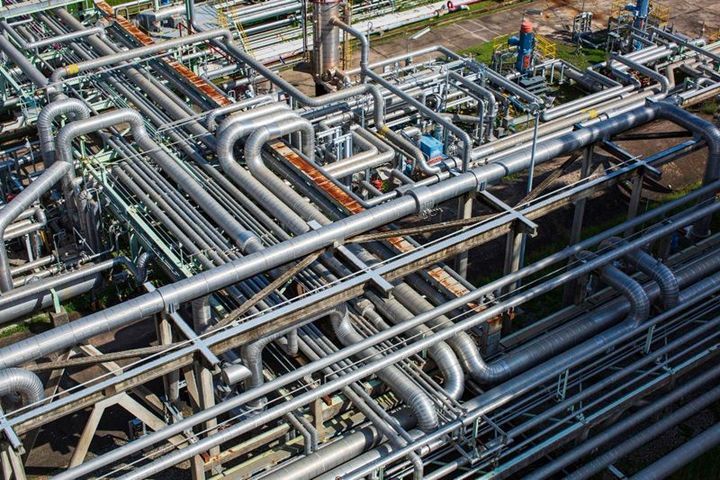
Flow line piping plays an important role in moving oil, gas, water, and other fluids between production.
These pipelines are designed to transport materials safely and efficiently while operating under different environmental and pressure conditions. As energy production continues to evolve, industrial flow line piping remains an essential part of upstream and downstream infrastructure.
Modern flowline piping systems are developed to handle changing production needs while supporting operational reliability. Depending on the application, an oil and gas flowline may transport crude oil, natural gas, produced water, or mixed fluids from wellheads to gathering stations or processing units. Different materials, layouts, and monitoring methods are selected according to operating conditions.
Context
Understanding Flow Line Piping
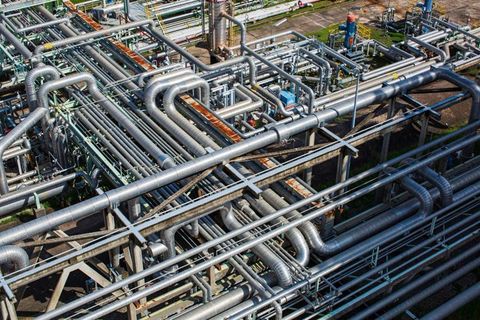
Flow line piping refers to pipelines that connect production equipment and transport fluids from one point to another within an energy production system. A production flowline often begins at a wellhead and carries fluids toward separators, storage facilities, or larger transmission pipelines.
Unlike long-distance pipelines, a flowline pipeline usually covers shorter distances but often operates under demanding conditions. Temperature changes, varying pressure, and fluid composition all influence pipeline design.
Where It Is Commonly Used
Flowline piping systems are widely used in several industries, including:
- Oil and natural gas production
- Offshore energy platforms
- Onshore drilling operations
- Petrochemical processing
- Water injection systems
- Industrial processing facilities
In offshore environments, subsea flowline systems transport produced fluids across the seabed between underwater wells and production platforms.
Main Components
A typical industrial flow line piping system includes several connected components.
| Component | Primary Function |
|---|---|
| Flowline pipe | Transports fluids between facilities |
| Valves | Control or isolate fluid movement |
| Connectors | Join pipeline sections |
| Pressure monitoring devices | Observe operating conditions |
| Flow measurement equipment | Track production volumes |
| Protective coatings | Reduce corrosion exposure |
Material selection depends on operating requirements. Carbon steel flowline pipe is commonly used for general applications because of its strength, while stainless steel flowline is often selected where corrosion resistance is particularly important.
Importance
Supporting Energy Production
Every stage of oil and gas production depends on reliable transportation of fluids. Upstream flowline systems connect production wells to gathering equipment, making continuous production possible under varying operating conditions.
Without properly designed flowlines, production efficiency may decrease due to pressure losses, maintenance challenges, or interruptions.
Managing High Operating Pressure
Many production environments involve significant pressure differences. High pressure flowline installations are engineered with materials, wall thickness, and fittings suitable for demanding operating environments.
Engineers evaluate several factors before selecting pipeline specifications, including:
- Operating pressure
- Fluid temperature
- Corrosion potential
- Chemical composition
- Terrain conditions
- Maintenance accessibility
Protecting Equipment
Pipeline flow control helps regulate fluid movement throughout the system. Proper flow control reduces excessive pressure fluctuations and supports smoother operation of pumps, separators, and processing equipment.
Oilfield flowline equipment also includes monitoring instruments that detect changes in operating conditions before they develop into larger operational concerns.
Supporting Environmental Protection
Properly maintained flowline piping systems contribute to safer handling of production fluids. Pipeline integrity management programs help operators inspect, monitor, and maintain pipelines throughout their operational life.
Regular inspections may include:
- Visual examinations
- Pressure testing
- Corrosion monitoring
- Leak detection
- Internal inspection technologies
- Material condition assessments
Recent Updates
Increased Digital Monitoring
Recent industry trends show growing use of digital monitoring technologies throughout flowline piping systems. Sensors continuously collect information about pressure, temperature, vibration, and flow rates, allowing operators to observe changing conditions more efficiently.
Remote monitoring also supports faster identification of abnormal operating conditions.
Improved Corrosion Protection
Pipeline materials continue to improve through advanced coatings and corrosion-resistant alloys. Stainless steel flowline installations and specialized protective coatings are increasingly selected for environments with corrosive fluids or harsh weather exposure.
These improvements support longer operational performance while reducing maintenance frequency.
Growth of Flow Assurance Systems
Flow assurance systems have become increasingly important in complex production environments. These systems help maintain continuous fluid movement by reducing conditions that may contribute to blockages caused by wax, hydrates, scale, or sediment accumulation.
Flow assurance combines engineering design, monitoring, insulation, and operational planning throughout the production process.
Expansion of Offshore Development
Subsea flowline systems continue expanding as offshore production projects become more technically advanced. Modern underwater pipelines include improved connection methods, enhanced inspection technologies, and stronger materials designed for deep-water environments.
Automation in Pipeline Management
Automation is becoming more common across pipeline operations. Digital platforms combine information from multiple monitoring devices to assist engineers in evaluating equipment condition and planning maintenance activities.
Laws or Policies
Safety Regulations
Flow line piping is generally regulated through national pipeline safety requirements, engineering standards, and environmental regulations. These rules establish expectations for pipeline design, construction, operation, inspection, and maintenance.
Regulatory agencies often require operators to demonstrate that pipelines meet established engineering practices before operation.
Pipeline Integrity Requirements
Pipeline integrity management programs are widely recognized as an important part of regulatory compliance. These programs typically include:
- Risk assessment
- Routine inspections
- Corrosion management
- Leak prevention measures
- Emergency response planning
- Maintenance documentation
Environmental Protection
Environmental regulations often require operators to minimize the possibility of leaks and reduce environmental impacts during construction and operation. Monitoring systems, inspection schedules, and protective measures help support these objectives.
Construction Standards
Pipeline construction equipment used during installation must comply with engineering specifications and workplace safety practices. Construction activities may include trench preparation, welding, pipe laying, coating application, pressure testing, and final inspection before operation begins.
Tools and Resources
Several technical resources assist engineers, project planners, and maintenance teams when working with flowline piping systems.
Engineering Software
Engineering software helps create pipeline layouts, perform hydraulic analysis, and evaluate operating conditions. These applications support design planning and documentation.
Flow Calculators
Pipeline flow calculators estimate:
- Flow velocity
- Pressure loss
- Fluid capacity
- Pipe diameter requirements
- Temperature effects
These calculations support planning during project development.
Geographic Information Systems
Geographic Information Systems (GIS) assist with mapping pipeline routes, monitoring infrastructure, and documenting inspection records. GIS platforms are widely used for pipeline asset management.
Pipeline Monitoring Platforms
Digital monitoring platforms gather information from sensors installed throughout the pipeline network. These systems assist with observing pressure, temperature, and operational performance.
Industry Standards and Technical Documents
Engineers frequently consult technical standards and guidance documents developed by recognized engineering organizations. These references provide information regarding material selection, welding procedures, inspection methods, testing practices, and operational safety.
FAQs
What is flow line piping?
Flow line piping is a network of pipes that transports oil, gas, water, or other production fluids between wells, processing equipment, storage facilities, or gathering systems during energy production.
How do industrial flow line piping systems differ from transmission pipelines?
Industrial flow line piping generally connects production equipment over shorter distances, while transmission pipelines transport products across much longer distances between regions or processing facilities.
What materials are commonly used for oil and gas flowline construction?
Common materials include carbon steel flowline pipe, stainless steel flowline, alloy steel, and corrosion-resistant materials selected according to pressure, temperature, and fluid characteristics.
Why are flow assurance systems important?
Flow assurance systems help maintain continuous movement of production fluids by managing conditions that could lead to wax formation, hydrate buildup, scaling, or other flow restrictions within pipelines.
What does pipeline integrity management involve?
Pipeline integrity management includes inspection, monitoring, maintenance planning, corrosion control, pressure testing, risk assessment, and documentation to help maintain pipeline reliability throughout its operating life.
Conclusion
Flow line piping forms an important connection between production equipment and processing facilities across the energy industry. Different materials, monitoring technologies, and engineering practices help support safe and efficient fluid transportation under varying operating conditions. Advances in digital monitoring, corrosion protection, and subsea engineering continue to improve modern flowline piping systems. Understanding pipeline design, flow control, and integrity management provides useful insight into how these systems contribute to everyday energy infrastructure.