Explore Laser Equipment Manufacturers: Essential Features and Industry Applications
Laser technology has become an important part of modern manufacturing.
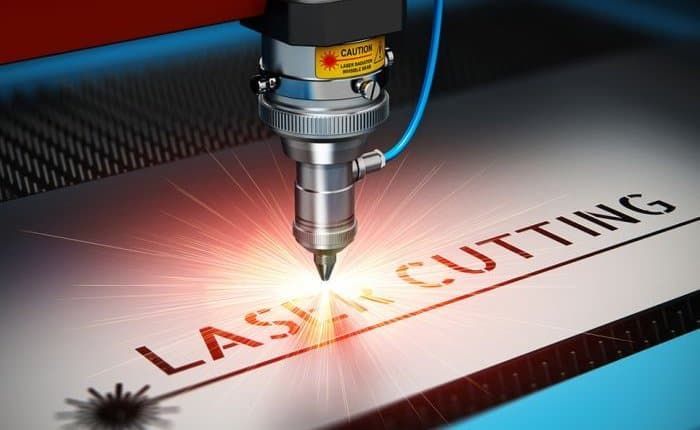
A laser equipment manufacturer develops machines that use concentrated beams of light to cut, weld, engrave, mark, or process a wide variety of materials. These machines are now common across industries because they provide consistent results while supporting efficient production processes.
Industrial sectors use many forms of industrial laser equipment for different tasks. A laser machine manufacturer may produce systems designed for metal processing, electronics, automotive components, medical devices, aerospace parts, packaging materials, and decorative products. As laser technology has advanced, equipment has become more precise, easier to integrate into manufacturing environments, and suitable for a broader range of materials.
Context
Understanding Laser Equipment Manufacturing
Laser equipment manufacturing focuses on designing and producing machines that generate controlled laser beams for industrial applications. Modern industrial laser systems combine optical components, software, motion controls, cooling systems, and safety features to complete complex manufacturing operations.
Several machine categories exist depending on their intended purpose. Common examples include:
- Laser cutting machine for cutting metals and non-metal materials.
- Fiber laser cutting machine for precision metal fabrication.
- Laser welding machine for joining metal components.
- Laser marking machine for permanent identification.
- Laser engraving machine for decorative or functional surface engraving.
These systems are widely used because they reduce material waste, improve repeatability, and support automated production environments.
Types of Industrial Laser Equipment
Different manufacturing tasks require different laser technologies. The table below summarizes several commonly used machine types.
| Equipment Type | Primary Purpose | Common Materials |
|---|---|---|
| Fiber laser machine | Metal processing | Steel, aluminum, copper |
| Laser cutting machine | Material cutting | Metal sheets, plastics, wood |
| Laser welding machine | Joining components | Stainless steel, aluminum |
| Laser marking machine | Product identification | Metals, plastics, ceramics |
| Laser engraving machine | Surface engraving | Wood, acrylic, leather, metal |
How Fiber Laser Technology Works
A fiber laser machine generates laser light through optical fibers rather than traditional gas-based systems. This design improves energy efficiency and beam quality while supporting precise cutting and marking operations.
Fiber laser technology has become increasingly common for sheet metal laser cutter applications because it performs well on reflective and high-strength metals while requiring relatively simple maintenance compared with some earlier laser systems.
Importance
Why Laser Equipment Matters
Manufacturing industries continually seek methods that improve precision, consistency, and production efficiency. Industrial laser technology supports these goals by enabling accurate processing with limited physical contact between the machine and the material.
Laser equipment also contributes to:
- Reduced material waste.
- Improved production consistency.
- Accurate cutting of detailed shapes.
- Permanent product identification.
- Easier integration with automated production lines.
Industries That Commonly Use Laser Systems
Many industries rely on equipment produced by an industrial laser manufacturer. Applications continue expanding as manufacturing techniques evolve.
Examples include:
- Automotive component production.
- Aerospace manufacturing.
- Electronics assembly.
- Medical device production.
- Construction materials.
- Consumer products.
- Jewelry manufacturing.
- Educational laboratories.
- Industrial research facilities.
- Sheet metal fabrication.
Common Manufacturing Applications
Industrial laser systems perform many everyday manufacturing tasks, including:
- Cutting complex sheet metal designs.
- Welding thin or thick metal components.
- Marking serial numbers and identification codes.
- Engraving decorative patterns.
- Processing stainless steel parts.
- Manufacturing electronic components.
- Producing precision mechanical parts.
Because one technology supports multiple production processes, manufacturers often integrate several laser systems within the same facility.
Recent Updates
Growth of Automation
Recent developments show increasing integration between industrial laser equipment and automated manufacturing systems. Many production facilities now connect laser machines with robotic arms, conveyors, and computer-controlled inspection equipment.
Automation improves workflow by reducing manual handling while maintaining consistent production quality across large manufacturing volumes.
Software Integration
Modern laser machine manufacturer platforms increasingly include advanced software that supports:
- Digital production planning.
- Machine monitoring.
- Remote diagnostics.
- Automated parameter adjustment.
- Production reporting.
- Material optimization.
These software improvements help manufacturing facilities monitor machine performance while improving production planning.
Higher Precision Fiber Laser Systems
Recent industrial laser technology developments emphasize higher beam quality and faster processing speeds. Fiber laser cutting machine designs continue evolving with improved motion control systems and more accurate positioning technology.
These improvements support industries requiring detailed manufacturing tolerances, including electronics, medical devices, and aerospace production.
Energy Efficiency
Another noticeable trend is improving energy efficiency. Modern fiber laser machine designs generally consume less electrical power than many older laser technologies while maintaining consistent processing performance.
Manufacturers also continue improving cooling systems, component durability, and overall operational reliability.
Laws or Policies
Workplace Safety Regulations
Industrial laser equipment operates under workplace safety regulations in many countries. Government agencies typically establish standards that help reduce workplace risks associated with high-powered laser systems.
Common safety requirements include:
- Protective machine enclosures.
- Safety interlock systems.
- Emergency stop controls.
- Operator training.
- Appropriate eye protection.
- Hazard warning labels.
These measures help reduce accidental exposure to laser radiation.
Product Standards
An industrial laser manufacturer generally designs equipment according to internationally recognized technical standards covering electrical safety, laser classification, machine guarding, and electromagnetic compatibility.
Compliance requirements may differ depending on the country where equipment is manufactured or installed, but internationally recognized standards often provide a common technical framework.
Environmental Considerations
Many manufacturing facilities also follow environmental regulations related to:
- Energy consumption.
- Industrial emissions.
- Dust collection.
- Waste material handling.
- Recycling of manufacturing materials.
Laser manufacturing equipment often works alongside filtration systems that capture particles produced during cutting or engraving operations.
Tools and Resources
Design and Engineering Software
Several engineering software platforms assist with preparing files before manufacturing begins. Common capabilities include:
- Computer-aided design (CAD).
- Computer-aided manufacturing (CAM).
- Technical drawing creation.
- Production simulation.
- Toolpath generation.
These tools help convert engineering drawings into machine-readable instructions.
Material Databases
Manufacturing teams frequently consult material databases containing information about:
- Metal thickness.
- Processing recommendations.
- Material composition.
- Cutting parameters.
- Welding characteristics.
These references support consistent manufacturing outcomes across different production materials.
Production Monitoring Platforms
Modern industrial laser systems often connect with digital monitoring platforms that display:
- Machine operating status.
- Production progress.
- Maintenance schedules.
- Energy usage.
- Equipment utilization.
These platforms provide manufacturing teams with organized operational information.
Technical Documentation
Most laser manufacturing equipment includes documentation covering:
- Installation guidance.
- Operating instructions.
- Maintenance procedures.
- Safety precautions.
- Troubleshooting information.
These documents help users understand machine operation while supporting safe workplace practices.
FAQs
What does a laser equipment manufacturer produce?
A laser equipment manufacturer develops machines that perform industrial processes such as cutting, welding, marking, engraving, and material processing using controlled laser beams.
What is the difference between a fiber laser machine and a laser cutting machine?
A fiber laser machine refers to a laser source technology that generates the beam through optical fibers. A laser cutting machine describes equipment designed specifically for cutting materials, and many modern cutting systems use fiber laser technology.
Where are industrial laser systems commonly used?
Industrial laser systems are widely used in automotive manufacturing, aerospace production, electronics, medical equipment manufacturing, sheet metal fabrication, construction materials, and consumer product manufacturing.
How does a laser welding machine differ from a laser marking machine?
A laser welding machine joins separate metal components into one structure. A laser marking machine creates permanent text, numbers, logos, or identification marks without cutting through the material.
Why is a sheet metal laser cutter widely used in manufacturing?
A sheet metal laser cutter produces accurate cuts with minimal material waste while supporting complex shapes and repeatable manufacturing processes across many industrial applications.
Conclusion
Laser equipment manufacturing plays an important role in modern industrial production by supporting precise cutting, welding, marking, and engraving processes. Advances in industrial laser technology continue improving automation, software integration, energy efficiency, and manufacturing accuracy. Different machine types are designed for specific production requirements, making laser systems valuable across many industries. Understanding equipment categories, safety considerations, and current developments provides useful background for anyone exploring this area of manufacturing.