Pressure Gauge Manufacturing Insights: Trends, Challenges, and Best Practices
Pressure gauge manufacturing plays an important role in modern industry by supporting the production of instruments that measure and monitor pressure in liquids, gases, and industrial systems.
Pressure gauges have been used for many decades to help operators understand how equipment is performing and whether processes are operating within safe limits.
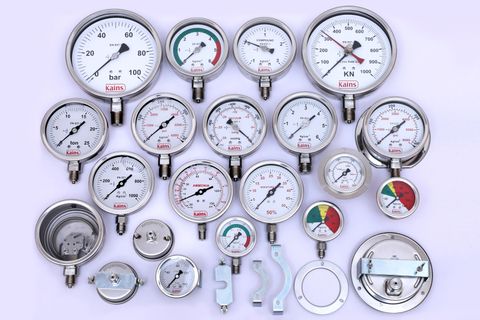
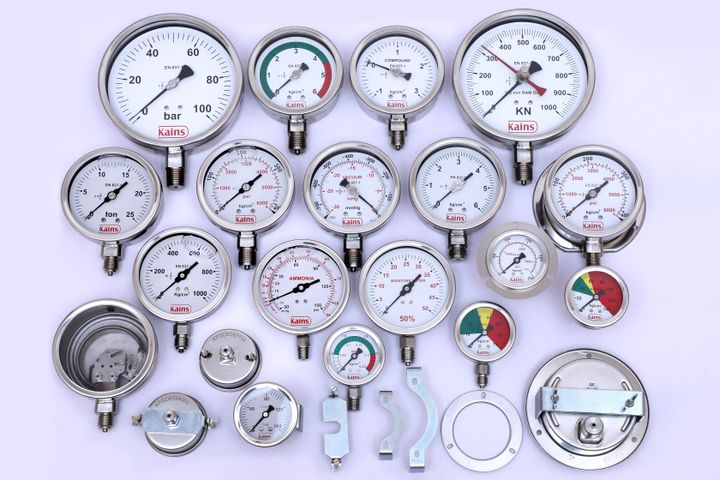
Today, pressure gauge manufacturers produce a wide range of products for industries such as energy, water treatment, chemical processing, food production, pharmaceuticals, and manufacturing. These instruments are part of a larger category known as pressure measurement equipment, which helps organizations track pressure levels accurately and consistently.
Industrial pressure gauges are available in many forms, including analog gauges with mechanical dials and digital devices that provide electronic readings. As industrial processes become more automated, digital pressure gauge manufacturers are developing instruments that can integrate with monitoring software and industrial automation sensors.
The primary purpose of pressure monitoring devices is to provide reliable information that supports safe operations, equipment maintenance, and process efficiency. Without accurate pressure measurement, many industrial systems would face increased operational risks and reduced performance.
Importance
Pressure measurement affects many aspects of everyday life, even when consumers do not directly interact with pressure gauges. Water distribution networks, power generation facilities, transportation systems, and manufacturing plants all depend on accurate pressure monitoring.
Safety and Equipment Protection
One of the most important functions of industrial pressure monitoring systems is preventing equipment damage. Excessive pressure can cause mechanical failures, while low pressure may indicate leaks or operational issues.
Pressure control equipment suppliers often support industries that require continuous monitoring to reduce the likelihood of unexpected shutdowns and equipment stress.
Process Efficiency
Many industrial processes rely on maintaining specific pressure ranges. Accurate pressure readings help operators optimize performance and reduce resource waste.
Examples include:
- Water treatment facilities maintaining consistent flow conditions.
- Manufacturing plants controlling production processes.
- Hydraulic systems ensuring proper force and movement.
- Energy facilities monitoring critical operating conditions.
Support for Automation
As factories adopt more automated systems, pressure monitoring devices are becoming increasingly integrated with industrial automation sensors and digital control platforms. This integration allows operators to receive real-time information and respond quickly to changing conditions.
Quality Control
Precision pressure gauges contribute to product quality by helping manufacturers maintain consistent process conditions. In industries where small pressure variations can affect outcomes, accurate measurements support repeatable production results.
Recent Updates
Pressure gauge manufacturing has experienced several notable trends in recent years. These developments reflect broader changes in industrial technology, automation, and data management.
Growth of Digital Monitoring
Digital pressure gauge manufacturers are increasingly focusing on smart instruments that provide electronic outputs and data connectivity. These devices can communicate with industrial software systems and provide detailed monitoring information.
Common features now include:
- Digital displays
- Data logging capabilities
- Remote monitoring functions
- Wireless communication options
- Integration with industrial automation platforms
Increased Demand for Precision
Many industries require higher levels of measurement accuracy than in previous years. As a result, manufacturers are investing in improved calibration methods and advanced sensing technologies.
Precision pressure gauges are becoming more common in applications involving research, pharmaceuticals, electronics production, and advanced manufacturing.
Expansion of Predictive Maintenance
Industrial organizations are using pressure data to identify potential equipment issues before failures occur. Pressure monitoring devices can help detect abnormal operating conditions, allowing maintenance teams to investigate problems early.
This trend supports broader predictive maintenance strategies that aim to improve equipment reliability.
Focus on Durability
Industrial environments can expose instruments to vibration, temperature fluctuations, moisture, and corrosive substances. Pressure gauge manufacturers are developing more durable products designed to operate under challenging conditions.
Integration with Industrial Internet Technologies
Industrial instrumentation manufacturers are increasingly designing equipment that works within connected factory environments. Pressure gauges are becoming part of larger monitoring networks that collect operational data from multiple sources.
Laws or Policies
Pressure gauge manufacturing and usage are influenced by various standards, regulations, and industry guidelines. These requirements help promote safety, accuracy, and consistency across industries.
Measurement Standards
Many countries use national and international standards that define calibration procedures, accuracy classifications, and testing requirements for pressure measurement equipment.
Organizations may follow standards developed by recognized engineering and measurement bodies to ensure reliable performance.
Workplace Safety Regulations
Industrial facilities often operate under safety regulations that require appropriate monitoring of pressure systems. Pressure gauges can be part of broader safety programs designed to protect workers and equipment.
These regulations may specify:
- Inspection requirements
- Calibration schedules
- Documentation procedures
- Equipment maintenance practices
Quality Management Requirements
Many manufacturers follow quality management frameworks that emphasize consistent production processes and traceable measurements.
Pressure gauge manufacturing facilities often maintain detailed records related to testing, calibration, and product verification.
Environmental Considerations
Environmental regulations can influence material selection, manufacturing processes, and waste management practices. Companies may adopt production methods that align with applicable environmental requirements while maintaining product performance.
Tools and Resources
Various tools and resources help support pressure gauge manufacturing, calibration, and industrial monitoring activities.
Calibration Equipment
Calibration equipment verifies that pressure gauges provide accurate readings. These systems compare instrument measurements against known reference standards.
Common calibration resources include:
- Pressure calibrators
- Deadweight testers
- Digital reference gauges
- Calibration software
Design and Engineering Software
Engineering teams frequently use software tools during product development and testing.
| Tool Category | Primary Purpose |
|---|---|
| CAD Software | Product design and modeling |
| Simulation Tools | Performance analysis |
| Calibration Software | Measurement verification |
| Data Logging Systems | Recording pressure information |
| Asset Management Platforms | Tracking instrument maintenance |
Monitoring Platforms
Modern industrial pressure monitoring systems often use centralized software platforms that collect information from multiple devices. These systems help operators review historical trends and monitor real-time conditions.
Technical Standards and Guidelines
Manufacturers and users frequently reference industry standards that provide guidance on measurement practices, calibration procedures, and equipment selection.
Training Resources
Educational materials, technical manuals, and professional development programs help engineers and technicians understand pressure measurement principles and instrumentation practices.
FAQs
What is pressure gauge manufacturing?
Pressure gauge manufacturing is the process of designing, producing, testing, and calibrating instruments used to measure pressure in gases, liquids, and industrial systems.
What is the difference between industrial pressure gauges and digital pressure gauges?
Industrial pressure gauges may include both mechanical and electronic designs. Digital pressure gauges use electronic sensors and digital displays, while traditional gauges often rely on mechanical movement to indicate pressure levels.
Why are precision pressure gauges important?
Precision pressure gauges provide highly accurate measurements that help maintain process consistency, support quality control, and improve monitoring in applications where small pressure changes are significant.
How do pressure monitoring devices support industrial automation?
Pressure monitoring devices can connect with industrial automation sensors and control systems. This allows pressure data to be collected, analyzed, and used for automated decision-making within industrial operations.
What industries commonly use hydraulic pressure gauges?
Hydraulic pressure gauges are commonly used in construction equipment, manufacturing machinery, transportation systems, agricultural equipment, and industrial hydraulic systems where fluid pressure monitoring is required.
Conclusion
Pressure gauge manufacturing remains a fundamental part of modern industrial operations. Advances in digital technology, automation, and measurement accuracy continue to influence how pressure measurement equipment is designed and used. Industrial pressure gauges, hydraulic pressure gauges, and precision pressure gauges support safety, process control, and equipment reliability across many sectors. As industrial monitoring systems become more connected, pressure monitoring devices are expected to remain important components within broader instrumentation and automation environments.