Rubber Sheeting Machines Insights: Key Technologies Shaping Industrial Manufacturing
Rubber products are used in many everyday applications, including vehicle components, industrial seals, flooring materials, conveyor belts, protective coverings, and consumer goods.
To create these products, manufacturers often begin with flat rubber sheets that are processed into various shapes and sizes. This is where rubber sheeting machines play an important role.
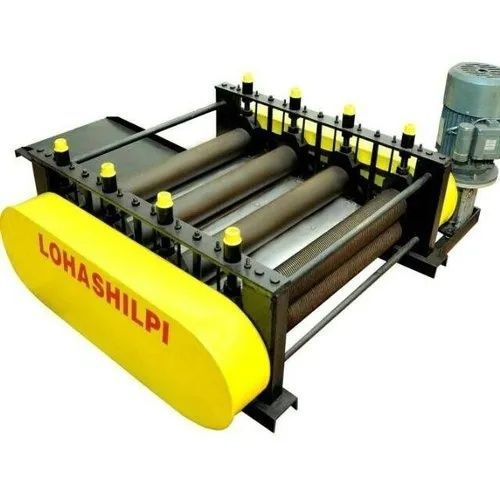
A rubber sheet manufacturing machine is designed to convert raw rubber compounds into uniform sheets with specific thicknesses and surface characteristics. These machines are commonly integrated into a complete rubber sheet production line, where multiple processing stages work together to prepare, shape, cool, and finish rubber materials.
Over time, industrial rubber sheeting equipment has evolved from manually operated systems to highly automated production solutions. Modern rubber processing machinery focuses on consistency, precision, efficiency, and improved monitoring capabilities. These developments help manufacturers maintain product quality while handling a wide range of rubber formulations.
The growing demand for engineered rubber products has also increased interest in precision rubber sheet manufacturing. As industries require more specialized materials, equipment technology continues to adapt to changing production requirements.
Importance
Rubber sheets are widely used across multiple sectors, making their production an important part of modern manufacturing. The quality of a rubber sheet directly affects the performance of the final product, whether it is used in transportation, construction, healthcare, agriculture, or industrial operations.
One reason rubber sheeting technology matters is product consistency. A rubber sheet with uneven thickness may create challenges during later manufacturing stages. Modern rubber manufacturing equipment helps reduce variations and improves dimensional accuracy.
Another important factor is material efficiency. Rubber compounds can represent a significant portion of production resources. Advanced rubber calendering equipment and automated processing systems help minimize waste by controlling sheet dimensions more accurately.
Industrial manufacturers also face increasing expectations related to productivity and quality control. Automatic rubber sheeting machine systems can support continuous production while providing monitoring tools that help operators identify issues quickly.
Key benefits associated with modern rubber sheeting processes include:
- Improved sheet thickness consistency
- Enhanced surface finish quality
- Better production efficiency
- Reduced material waste
- Increased process monitoring capabilities
- Support for a wider range of rubber formulations
These advantages affect industries that depend on reliable rubber products for everyday operations and infrastructure.
Recent Updates
Increased Automation
Recent developments in industrial rubber production systems have focused heavily on automation. Manufacturers are incorporating sensors, digital controls, and programmable systems into production equipment. These technologies allow operators to monitor production conditions and adjust settings more efficiently.
Many automatic rubber sheeting machine designs now include integrated measurement systems that track thickness and production parameters throughout the manufacturing process.
Digital Monitoring and Data Collection
Data-driven manufacturing has become more common in rubber processing facilities. Modern rubber sheet making machine systems often collect operational data that can be used for process analysis and quality management.
Digital dashboards may display information such as:
- Temperature readings
- Roller pressure levels
- Sheet thickness measurements
- Production speed
- Equipment performance indicators
This information helps manufacturers better understand production trends and identify opportunities for improvement.
Energy Efficiency Improvements
Energy management has become an important consideration across manufacturing industries. Newer rubber processing machinery often incorporates motors, drives, and control systems designed to improve operational efficiency.
These improvements may help reduce unnecessary energy consumption while maintaining stable production conditions.
Advanced Material Compatibility
The variety of rubber compounds used in manufacturing continues to expand. As a result, rubber calender machine and rubber sheet extrusion machine technologies are increasingly designed to process different material formulations.
This flexibility supports applications requiring specialized performance characteristics such as heat resistance, chemical resistance, or enhanced durability.
Integration of Production Lines
Many facilities are moving toward more connected manufacturing environments. A complete rubber sheet production line may now integrate mixing equipment, calendering systems, cooling units, inspection stations, and cutting equipment into a coordinated workflow.
The goal is to improve process consistency while reducing manual handling between production stages.
Common Rubber Sheeting Technologies
| Technology | Primary Function | Typical Application |
|---|---|---|
| Rubber Calender Machine | Forms rubber into sheets using rollers | Uniform sheet production |
| Rubber Sheet Extrusion Machine | Pushes rubber through a shaped die | Continuous sheet manufacturing |
| Cooling Systems | Stabilizes sheet dimensions | Post-processing |
| Thickness Monitoring Systems | Measures sheet uniformity | Quality control |
| Cutting Equipment | Trims sheets to required dimensions | Finishing operations |
| Automated Control Systems | Manages production settings | Process optimization |
Laws or Policies
Rubber manufacturing operations are influenced by various regulations related to workplace safety, environmental protection, and industrial operations. The specific requirements vary by country and region.
Workplace Safety Regulations
Industrial equipment such as rubber sheeting machines must generally comply with workplace safety standards. These regulations often address:
- Machine guarding requirements
- Emergency stop systems
- Operator safety procedures
- Equipment maintenance practices
- Training requirements
The purpose of these regulations is to reduce workplace risks associated with moving machinery and industrial processes.
Environmental Requirements
Rubber processing facilities may be subject to environmental regulations that address emissions, waste management, and resource usage. Manufacturers are often required to monitor and manage environmental impacts associated with production activities.
Product Quality Standards
Certain industries that use rubber products may require compliance with technical standards governing product performance and material specifications. These standards help ensure consistency and reliability for specific applications.
Equipment Certification
In many regions, industrial machinery must meet recognized safety and engineering requirements before being placed into operation. Certification processes may involve testing, inspection, and documentation procedures.
Manufacturers operating industrial rubber production systems typically consider these regulatory requirements when selecting equipment and designing production facilities.
Tools and Resources
Several tools and resources can help individuals understand rubber sheet manufacturing processes and equipment technologies.
Engineering and Design Software
Computer-aided design platforms are commonly used for equipment design, production planning, and manufacturing analysis. These tools support visualization and technical documentation activities.
Production Monitoring Platforms
Modern manufacturing facilities often use software platforms that collect and analyze production information. These systems help track equipment performance and operational efficiency.
Material Property Databases
Material databases provide technical information about rubber compounds and their characteristics. Engineers and production teams may use these resources during product development and manufacturing planning.
Industrial Standards Organizations
Industry standards organizations publish technical guidelines, testing methods, and manufacturing standards related to rubber products and processing equipment.
Training and Educational Resources
Educational platforms, technical publications, and manufacturing associations provide information about rubber processing machinery, production methods, and industrial manufacturing practices.
Useful categories of resources include:
- Manufacturing training materials
- Engineering reference guides
- Equipment operation manuals
- Technical standards documentation
- Process optimization tools
- Quality control templates
These resources help support knowledge development and informed decision-making within manufacturing environments.
FAQs
What are rubber sheeting machines used for?
Rubber sheeting machines are used to convert rubber compounds into flat sheets with controlled thickness and surface characteristics. These sheets serve as raw materials for many industrial and commercial products.
How does a rubber calender machine work?
A rubber calender machine uses a series of rotating rollers to compress and shape rubber into continuous sheets. By adjusting roller settings, manufacturers can control sheet thickness and surface quality.
What is the difference between a rubber sheet extrusion machine and calendering equipment?
A rubber sheet extrusion machine pushes rubber material through a shaped die to create continuous sheets, while rubber calendering equipment forms sheets by passing material between rollers. Both methods are used in rubber sheet production, depending on manufacturing requirements.
What equipment is included in a rubber sheet production line?
A typical rubber sheet production line may include mixing systems, feeding equipment, rubber sheeting machines, cooling units, inspection systems, cutting equipment, and material handling components.
Why is precision rubber sheet manufacturing important?
Precision rubber sheet manufacturing helps maintain consistent thickness, dimensions, and material properties. This consistency supports product quality and reduces variations during later manufacturing processes.
Conclusion
Rubber sheeting machines are essential components of modern rubber manufacturing operations. They help transform raw rubber compounds into uniform sheets used across numerous industries and applications. Advances in automation, digital monitoring, material compatibility, and integrated production systems continue to shape the development of rubber processing machinery. Understanding these technologies provides valuable insight into how industrial manufacturing supports the production of everyday rubber products.