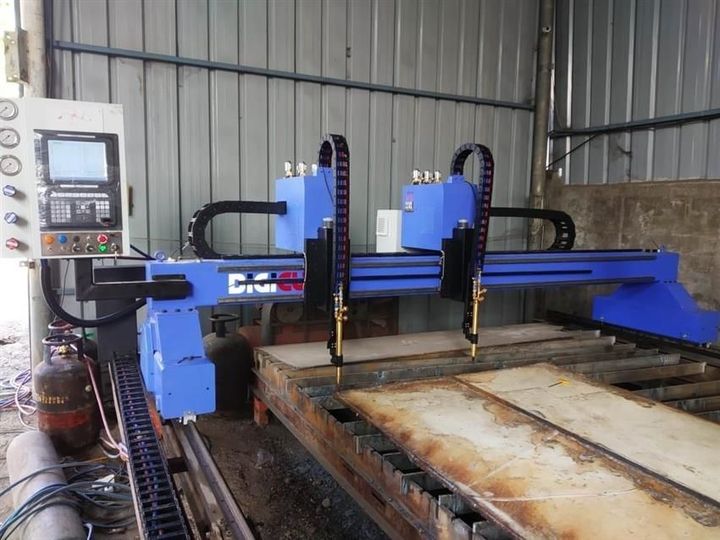
Discover Oxy Fuel Cutting Machines: Essential Features and Industrial Uses
Oxy fuel cutting machines are widely used in metalworking industries to separate thick steel components with precision.
An oxy fuel cutting machine combines oxygen with a fuel gas to create a high-temperature flame capable of cutting carbon steel and other suitable metals. This method has remained an important part of steel processing because it handles thick materials that may be difficult for some other cutting methods.
The development of oxy fuel cutting equipment dates back many decades and continues to support construction, manufacturing, shipbuilding, infrastructure, and metal fabrication. Modern industrial oxy fuel cutter systems include automated controls, improved safety features, and computer-guided movement that increase consistency while reducing manual effort. Today, gas cutting machine technology is commonly found wherever structural steel components are prepared for assembly.
Context
Understanding the Cutting Process
An oxy acetylene cutting machine works by heating steel to its ignition temperature before directing a stream of pure oxygen onto the heated area. The oxygen reacts with the metal, creating an oxidation process that removes material and forms a clean cut.
Unlike many other metal cutting methods, flame cutting machine technology relies on both heat and a chemical reaction. This approach makes it particularly suitable for carbon steel plates, beams, pipes, and structural components used across multiple industries.
Main Components of the Equipment
Most metal cutting equipment designed for oxy fuel applications includes several important parts:
- Cutting torch
- Oxygen supply system
- Fuel gas supply
- Pressure regulators
- Hoses and safety valves
- Torch carriage or automated gantry
- Control panel
- Ignition and monitoring devices
Modern steel plate cutting machine designs may also include CNC controls, automatic torch height adjustment, and digital programming capabilities for improved cutting accuracy.
Common Fuel Gases
Different fuel gases can be paired with oxygen depending on the application.
| Fuel Gas | Common Characteristics | Typical Applications |
|---|---|---|
| Acetylene | High flame temperature | General steel cutting |
| Propane | Stable flame and broad heating area | Thick plate cutting |
| Natural Gas | Used in industrial facilities with pipeline supply | Large production environments |
| Propylene | Efficient heating performance | Heavy industrial cutting |
Importance
Supporting Modern Manufacturing
Heavy industries rely on steel fabrication equipment to prepare raw materials before welding, machining, or assembly. Oxy fuel cutting remains valuable because it efficiently processes thick carbon steel that appears in bridges, buildings, industrial machinery, and transportation equipment.
Many structural steel cutting equipment systems are designed for continuous operation in fabrication facilities where large steel sections require consistent dimensions.
Suitable for Thick Materials
One of the major strengths of industrial metal cutting systems using oxy fuel technology is their ability to process thick steel plates. While several cutting methods exist today, flame cutting continues to play an important role when material thickness increases significantly.
Heavy duty cutting machine systems are frequently selected for applications involving:
- Structural steel fabrication
- Shipbuilding
- Heavy machinery manufacturing
- Steel storage tanks
- Industrial construction
- Mining equipment
- Bridge components
- Energy infrastructure
Improving Production Efficiency
Automated gas cutting machine technology reduces manual measurement and repetitive handling. Computer-controlled movement allows operators to prepare multiple identical parts while improving material utilization.
Modern industrial oxy fuel cutter systems can also reduce unnecessary material waste by arranging cutting paths more efficiently across large steel plates.
Recent Updates
Increased Automation
Recent developments in oxy fuel cutting equipment have focused on automation rather than changing the basic cutting principle. Manufacturers continue introducing CNC-controlled systems capable of producing more consistent cutting patterns across large production batches.
Automation also supports repeatable positioning, digital job storage, and reduced setup time.
Digital Integration
Many modern steel fabrication equipment installations now integrate with digital production planning systems. Operators can transfer design files directly into cutting software, reducing manual programming.
Digital monitoring also allows facilities to observe equipment status, maintenance schedules, and production progress from centralized control systems.
Improved Safety Features
Current industrial metal cutting systems increasingly include:
- Automatic gas monitoring
- Flame failure detection
- Emergency shutdown controls
- Torch collision protection
- Improved ventilation integration
- Remote operation capabilities
These features help reduce operational risks while supporting workplace safety procedures.
Greater Precision
Advancements in motion control have improved positioning accuracy for large steel plate cutting machine installations. Modern drive systems allow smoother movement across wide cutting tables while maintaining consistent torch speed.
Hybrid Manufacturing Systems
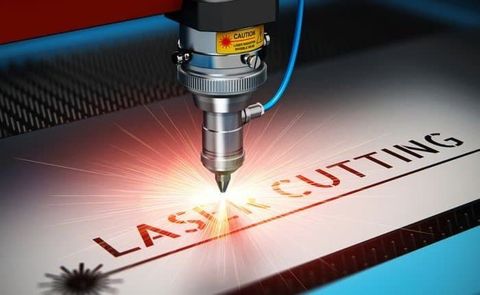
Current fabrication facilities sometimes combine oxy fuel cutting machine technology with plasma cutting on the same CNC platform. This allows operators to choose the appropriate cutting process depending on material thickness and production requirements.
Laws or Policies
Workplace Safety Regulations
Countries generally regulate industrial cutting operations through occupational health and workplace safety authorities. These regulations often cover:
- Safe handling of compressed gas cylinders
- Fire prevention procedures
- Protective clothing requirements
- Ventilation standards
- Equipment inspection schedules
- Emergency response planning
Organizations using heavy steel fabrication machines typically follow documented operating procedures to reduce workplace hazards.
Environmental Requirements
Industrial cutting operations may also be subject to environmental regulations involving emissions, ventilation, waste management, and energy efficiency. Requirements vary depending on location, facility size, and industrial activity.
Proper collection and disposal of metal waste, slag, and used consumables also form part of responsible industrial operations.
Equipment Standards
Many industrial facilities follow recognized engineering and manufacturing standards for pressure equipment, gas systems, machine guarding, and electrical safety. These standards help improve compatibility and operational consistency across manufacturing environments.
Tools and Resources
Several digital tools help operators, engineers, and production planners manage industrial cutting activities more efficiently.
CAD Software
Computer-aided design software allows engineers to prepare component drawings before transferring them into CNC cutting systems.
CAM Programming Software
Computer-aided manufacturing software converts engineering drawings into cutting paths suitable for automated industrial oxy fuel cutter equipment.
Nesting Software
Material nesting programs arrange multiple components on steel plates to improve material utilization and reduce unnecessary scrap.
Material Thickness Charts
Reference charts assist operators in selecting suitable oxygen pressure, fuel settings, torch size, and cutting speed based on steel thickness.
Government Workplace Safety Websites
National workplace safety agencies publish guidance covering:
- Gas cylinder storage
- Fire prevention
- Personal protective equipment
- Industrial ventilation
- Safe equipment operation
These publications support general awareness of industrial safety practices.
Equipment Documentation
Instruction manuals and maintenance guides supplied with metal cutting equipment help operators understand inspection procedures, operating limitations, and maintenance intervals.
Frequently Asked Questions
What is an oxy fuel cutting machine?
An oxy fuel cutting machine is industrial equipment that uses oxygen and fuel gas to heat and cut carbon steel. The process combines high temperatures with controlled oxidation to separate metal accurately.
How does an oxy acetylene cutting machine differ from other gas cutting machine types?
An oxy acetylene cutting machine specifically uses acetylene as the fuel gas, while other gas cutting machine systems may use propane, natural gas, or propylene. The overall cutting principle remains similar, although flame characteristics differ.
Which materials can an industrial oxy fuel cutter process?
Industrial oxy fuel cutter systems are primarily intended for carbon steel and low-alloy steels. Metals such as aluminum, stainless steel, and copper generally require different cutting methods because they do not oxidize in the same way.
Where is steel plate cutting machine equipment commonly used?
Steel plate cutting machine installations are frequently found in structural steel fabrication, heavy equipment manufacturing, bridge construction, shipbuilding, energy infrastructure, and industrial manufacturing facilities.
What safety measures are important when using heavy duty cutting machine equipment?
Operators generally follow safety procedures that include protective clothing, eye protection, proper ventilation, regular equipment inspection, correct gas cylinder handling, and compliance with workplace safety regulations.
Conclusion
Oxy fuel cutting machines remain an important part of industrial metal processing because they efficiently cut thick carbon steel used in construction and manufacturing. Modern systems combine traditional flame cutting principles with automation, digital controls, and enhanced safety features. Steel fabrication equipment continues to evolve through improved precision, software integration, and automated operation while supporting a wide range of industrial applications. Understanding how these machines work helps explain their ongoing role in structural steel processing and heavy manufacturing.