Discover Industrial Fastener Applications Across Modern Manufacturing Industries
Modern manufacturing depends on thousands of individual components working together with precision and reliability.
While advanced machinery, robotics, and automation often receive the most attention, one of the most essential elements remains relatively small the industrial fastener. These components securely join materials, maintain structural integrity, and support the safe operation of equipment across numerous industries. Without dependable fastening systems, even the most advanced machines would struggle to operate safely and consistently.
As manufacturing continues to evolve with automation, lightweight materials, and smart production systems, industrial fasteners have also advanced in design, material selection, and performance. Different applications require different fastening solutions depending on load capacity, environmental conditions, vibration resistance, and maintenance requirements. This industrial fastener guide explores the role of industrial fasteners, their applications, key characteristics, and the factors that influence their selection across modern industries.
This article explains industrial fastener fundamentals, common fastening methods, materials, practical applications, selection considerations, and emerging trends shaping today's manufacturing environment.
What Is an Industrial Fastener?
An industrial fastener is a mechanical component used to join two or more parts together securely. Unlike permanent joining methods such as welding or adhesives, many fasteners allow assemblies to be disassembled for maintenance, repairs, or component replacement.
Industrial fasteners are widely used in manufacturing plants, automotive production, aerospace engineering, construction projects, heavy machinery, renewable energy systems, marine equipment, electronics, and infrastructure development.
Examples include bolts, screws, nuts, washers, rivets, pins, studs, and threaded inserts, each designed to perform under specific mechanical and environmental conditions.
Why Industrial Fasteners Matter
Reliable fastening is fundamental to equipment safety, product durability, and operational efficiency.
Properly selected fasteners distribute loads evenly, reduce mechanical movement, and help maintain structural stability during continuous operation. They also simplify maintenance because individual components can often be removed without replacing entire assemblies.
In high-performance industries, dependable fastening contributes to equipment reliability, production quality, and long-term operational consistency.
Common Types of Industrial Fasteners
Different applications require different fastening solutions depending on design requirements.
Bolts and Nuts
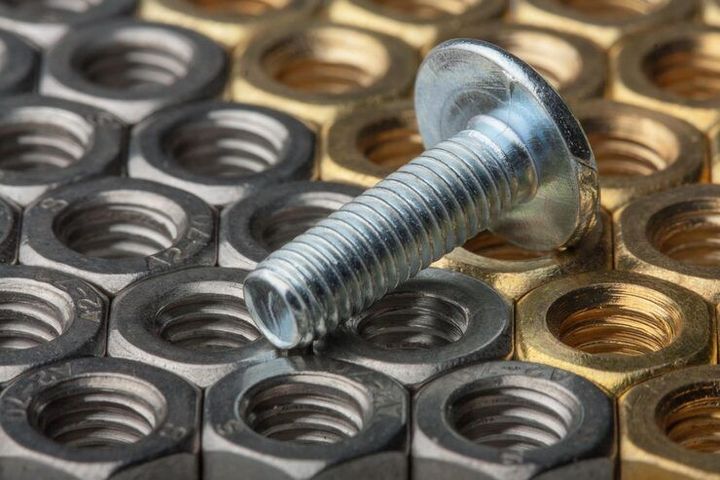
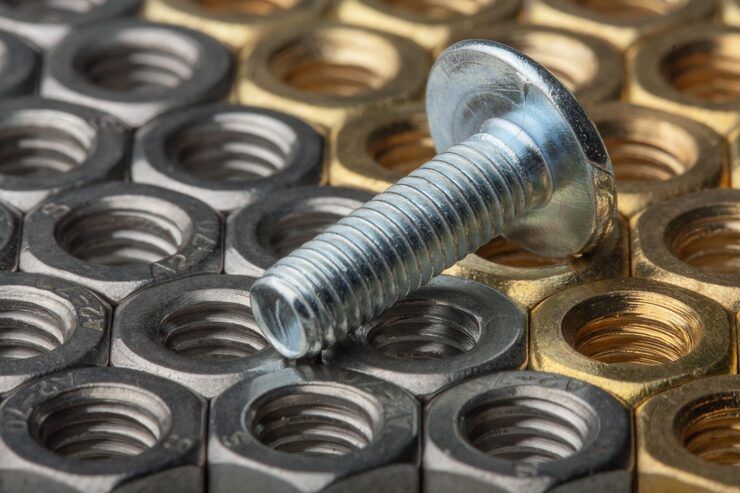
Bolts used with matching nuts create strong mechanical joints for structural frames, machinery, pipelines, and heavy industrial equipment.
These fasteners are commonly selected where high clamping force and future disassembly are important.
Screws
Industrial screws create secure connections by engaging directly with threaded holes or materials.
They are widely used in machinery, electronics, sheet metal assemblies, and mechanical equipment.
Rivets
Rivets create permanent mechanical joints that perform well under vibration and repeated loading conditions.
They are frequently used in aerospace structures, transportation equipment, and metal fabrication.
Washers
Washers distribute fastening pressure, protect joined surfaces, and help prevent loosening caused by vibration.
They are often installed alongside bolts and screws to improve joint performance.
Threaded Inserts and Studs
Threaded inserts strengthen threaded connections in softer materials, while studs provide reliable fastening where repeated assembly and disassembly occur.
Materials Used in Industrial Fasteners
Material selection significantly influences fastener performance.
Carbon steel fasteners provide high mechanical strength for general industrial applications.
Stainless steel offers excellent corrosion resistance, making it suitable for marine environments, food processing, and chemical facilities.
Alloy steel provides increased strength for heavy-duty machinery and structural applications.
Brass and aluminum fasteners are commonly used where corrosion resistance, reduced weight, or electrical conductivity are important considerations.
Specialized coatings further improve wear resistance, corrosion protection, and long-term durability.
Industrial Fastener Applications
Industrial fasteners support virtually every manufacturing sector.
Automotive manufacturers use thousands of fasteners to assemble engines, suspension systems, interiors, and structural components.
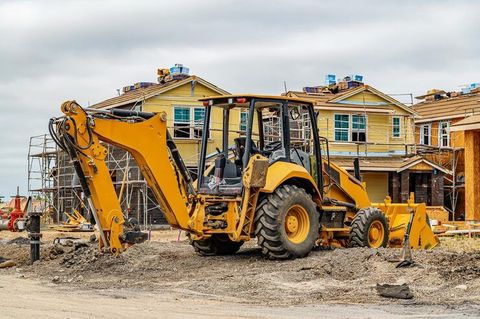
Construction projects depend on structural bolts and anchors to connect steel frameworks and infrastructure.
Aerospace engineering requires lightweight, high-strength fasteners capable of performing under extreme mechanical and environmental conditions.
Industrial automation systems rely on fasteners to secure robotic equipment, conveyor systems, sensors, and production machinery.
Renewable energy installations such as wind turbines and solar structures also depend on durable fastening systems capable of withstanding outdoor environmental exposure.
These examples demonstrate the broad importance of industrial fasteners throughout modern manufacturing.
Factors That Influence Fastener Performance
Several variables affect fastener reliability.
Mechanical load determines the strength required for safe operation.
Environmental exposure including moisture, chemicals, temperature changes, and corrosion—affects material selection.
Vibration resistance becomes particularly important in transportation equipment, industrial machinery, and rotating systems.
Proper tightening methods, compatible materials, and regular inspection also contribute to long-term joint integrity.
Selecting the appropriate fastener for each operating condition helps improve safety and equipment longevity.
Decision Guide: Choosing the Right Industrial Fastener
Selecting the best industrial fastener depends on application requirements, material compatibility, environmental exposure, mechanical loading, maintenance expectations, and assembly methods.
Heavy structural applications often require high-strength alloy steel fasteners, while corrosive environments generally benefit from stainless steel or specially coated components. Lightweight assemblies may prioritize aluminum fasteners to reduce overall system weight.
An industrial fastener comparison typically evaluates tensile strength, corrosion resistance, fatigue performance, vibration resistance, material compatibility, installation requirements, and service life.
In many cases, standardized fastening systems tend to work well because they simplify maintenance, replacement, and inventory management across multiple production environments.
The real difference appears when fastener specifications closely match operational requirements rather than focusing solely on size or material.
Emerging Trends in Industrial Fastener Technology
Manufacturing innovation continues influencing fastener development.
Lightweight materials are supporting transportation and aerospace industries seeking improved efficiency.
Advanced protective coatings provide greater resistance against corrosion, chemicals, and harsh industrial environments.
Smart manufacturing is improving fastener quality through automated inspection systems, digital production monitoring, and precision manufacturing technologies.
High-performance fastening solutions designed for electric vehicles, renewable energy infrastructure, and advanced robotics are becoming increasingly common.
Manufacturers are also emphasizing recyclable materials and sustainable production processes that reduce environmental impact while maintaining mechanical performance.
These developments continue expanding the capabilities of industrial fastening systems across modern industries.
Frequently Asked Questions
1. What is an industrial fastener?
An industrial fastener is a mechanical component used to securely join two or more parts in manufacturing, construction, machinery, and engineering applications.
2. What are the most common industrial fasteners?
Common fasteners include bolts, nuts, screws, washers, rivets, studs, pins, and threaded inserts.
3. Why are industrial fasteners important?
They provide structural stability, distribute mechanical loads, simplify maintenance, and improve equipment safety and reliability.
4. Which industries use industrial fasteners?
Industrial fasteners are widely used in automotive, aerospace, manufacturing, construction, renewable energy, marine, electronics, and heavy equipment industries.
5. What factors should be considered when selecting industrial fasteners?
Material, strength, corrosion resistance, vibration, environmental conditions, mechanical loading, maintenance needs, and application requirements should all be evaluated.
Conclusion
The industrial fastener plays a critical role in supporting the safety, reliability, and efficiency of modern manufacturing and engineering systems. From automotive production and construction to aerospace and renewable energy, properly selected fasteners help ensure strong, dependable mechanical connections under a wide range of operating conditions. This comprehensive industrial fastener guide highlights how understanding fastener materials, applications, and performance characteristics contributes to better engineering decisions and long-term equipment reliability. As manufacturing technologies continue advancing, industrial fasteners will remain an essential component of durable and efficient industrial systems.