Discover Industrial Floor Coatings: Detailed Explanation and Application Insights
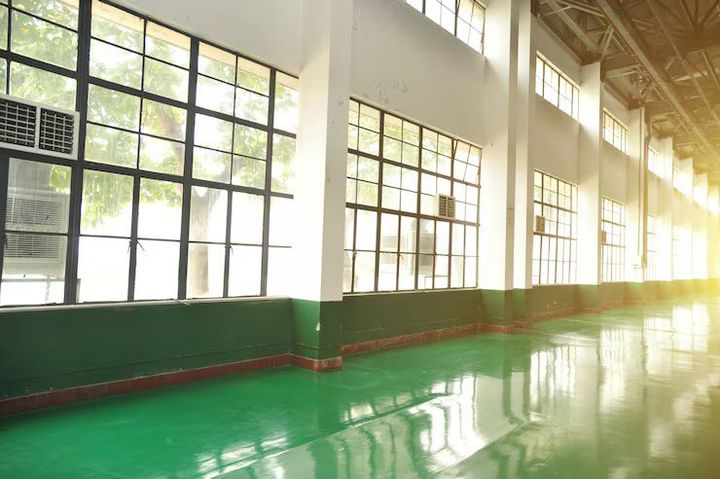
Industrial floor coatings are protective layers applied to concrete or other flooring surfaces in environments such as factories, warehouses, hospitals, and commercial facilities. These coatings are designed to improve durability, safety, and cleanliness in spaces that experience heavy use. Over time, as industrial activities expanded and flooring materials were exposed to higher loads, chemicals, and constant movement, the need for stronger surface protection led to the development of modern industrial floor coatings.
These coatings are typically made from materials such as epoxy, polyurethane, and acrylic compounds. Each type is formulated to address specific environmental conditions, including exposure to moisture, temperature changes, and mechanical stress. Industrial floor coatings are not limited to large factories; they are also used in parking areas, retail spaces, and institutional buildings where floor performance is important.
The concept is rooted in both engineering and safety considerations. By applying a protective coating, surfaces can last longer and remain functional under demanding conditions. This approach helps reduce wear and supports safer working environments.
Importance
Industrial floor coatings play a significant role in maintaining safe and efficient environments. In many settings, floors are exposed to constant foot traffic, heavy machinery, and chemical substances. Without proper protection, surfaces can deteriorate quickly, leading to uneven floors, cracks, and potential hazards.
One key benefit is improved safety. Coatings can include anti-slip properties, reducing the risk of accidents. In workplaces where spills or moisture are common, this feature becomes particularly important. Additionally, coatings can enhance visibility by marking zones, pathways, or hazard areas directly on the floor.
Another important aspect is durability. Industrial floor coatings help extend the life of concrete surfaces by protecting them from abrasion and chemical damage. This reduces the need for frequent repairs and supports consistent operations in busy environments.
Cleanliness is also easier to maintain. Coated floors are often smoother and less porous than untreated surfaces, making them easier to clean and sanitize. This is especially relevant in sectors such as healthcare, food processing, and pharmaceuticals, where hygiene standards are strict.
Recent Updates
In recent years, industrial floor coatings have evolved to meet changing environmental and operational demands. A noticeable trend is the development of low-emission coatings. These formulations reduce the release of volatile organic compounds, supporting improved indoor air quality.
Another development is the use of rapid-curing materials. These coatings allow floors to return to use more quickly after application, which is useful in environments where downtime needs to be minimized. Advancements in curing technology have made it possible to apply coatings in a wider range of temperatures and conditions.
Digital tools are also influencing the industry. Some facilities now use sensors and monitoring systems to track floor conditions over time. This helps identify wear patterns and plan maintenance more effectively.
There is also growing interest in sustainable materials. Manufacturers are exploring bio-based components and recyclable options, reflecting broader environmental concerns across industries.
Laws or Policies
The use of industrial floor coatings is influenced by various regulations related to safety, environmental protection, and workplace standards. In many countries, occupational safety guidelines require floors to be maintained in a condition that minimizes risks such as slipping or tripping.
Environmental regulations often focus on the chemical composition of coatings. Limits on volatile organic compounds are commonly enforced to reduce air pollution and protect indoor environments. Facilities may need to comply with these standards when selecting and applying coatings.
In sectors such as food processing or healthcare, additional hygiene regulations apply. Floors must be easy to clean and resistant to contamination. Industrial floor coatings used in these environments are expected to meet specific sanitation and durability requirements.
Building codes may also specify performance criteria for flooring systems, including load-bearing capacity and resistance to fire or chemicals. Compliance with these rules helps ensure that coated floors perform reliably under expected conditions.
Tools and Resources
Various tools and resources are available to support the planning, application, and maintenance of industrial floor coatings. These resources help users understand requirements and make informed decisions.
Some commonly used tools include:
- Surface preparation equipment, such as grinders and shot blasters, which help create a suitable base for coating application
- Moisture testing kits, used to assess the condition of concrete before applying coatings
- Thickness measurement devices, which ensure the coating is applied evenly
- Digital inspection tools, including mobile apps that track maintenance schedules and surface conditions
Online platforms and technical guides also provide useful information. These may include:
- Material selection guides that compare different types of industrial floor coatings
- Safety data sheets explaining chemical properties and handling precautions
- Application manuals that outline step-by-step procedures for various coating systems
Common Types of Industrial Floor Coatings
Below is a simple comparison of commonly used coating types:
| Coating Type | Key Features | Typical Use Areas |
|---|---|---|
| Epoxy | Strong adhesion, chemical resistance | Warehouses, factories |
| Polyurethane | Flexible, impact resistance | Parking areas, production floors |
| Acrylic | Fast curing, moderate durability | Retail spaces, light-use areas |
| Cementitious | High strength, moisture tolerance | Industrial kitchens, wet areas |
Each type has its own characteristics, and the choice depends on environmental conditions and usage requirements.
FAQs
What are industrial floor coatings used for?
Industrial floor coatings are used to protect and enhance flooring surfaces in environments with heavy use. They improve durability, safety, and ease of cleaning in places such as factories, hospitals, and storage facilities.
How long do industrial floor coatings last?
The lifespan depends on factors such as material type, level of use, and maintenance practices. In many cases, coatings can remain effective for several years when applied and maintained properly.
Are industrial floor coatings suitable for all industries?
Industrial floor coatings can be adapted for different industries, including manufacturing, healthcare, and retail. The type of coating is selected based on specific environmental conditions and performance needs.
What is the difference between epoxy and polyurethane floor coatings?
Epoxy coatings are known for strong adhesion and resistance to chemicals, while polyurethane coatings are more flexible and better suited to areas with impact or temperature variations.
Do industrial floor coatings require regular maintenance?
Yes, regular cleaning and inspection help maintain performance. Addressing minor damage early can prevent larger issues and extend the usability of the coating.
Conclusion
Industrial floor coatings provide a practical way to protect and enhance flooring in demanding environments. They contribute to safety, durability, and cleanliness across a wide range of industries. Advances in materials and technology continue to improve their performance and environmental compatibility. Understanding the types, uses, and regulations associated with these coatings helps users make informed decisions about their application.