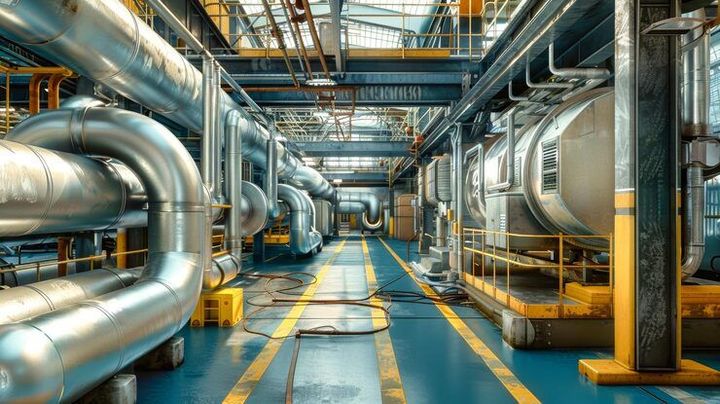
Discover Industrial Process Heating Systems and Their Importance in Industrial Production
Heat is a critical element in countless industrial processes.
From manufacturing metals and processing chemicals to producing food products and creating advanced materials, many industrial operations depend on precise temperature control to achieve desired outcomes. Without reliable heating systems, many production processes would be unable to function efficiently or consistently.
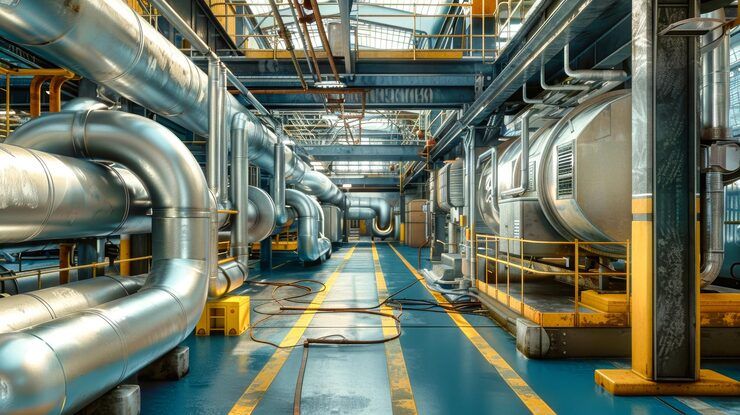
Industrial process heating systems are designed to generate, transfer, and control heat for specific manufacturing and processing applications. These systems support a wide range of industries by helping maintain production quality, process stability, and operational efficiency.
What really matters is that industrial heating is not simply about increasing temperature. It involves delivering the right amount of heat at the right time and location to support specific industrial objectives while maintaining productivity and process reliability.
This guide explores the fundamentals of industrial process heating systems, explains common heating technologies, highlights industrial applications, and examines how heating solutions contribute to modern production facilities.
Understanding Industrial Process Heating Systems
Industrial process heating systems are specialized technologies used to supply controlled thermal energy for manufacturing, processing, and production activities.
These systems are designed to heat materials, products, equipment, or environments according to operational requirements. Different industries utilize different heating methods depending on process conditions, material characteristics, and production goals.
This matters because many industrial products require carefully controlled temperatures during manufacturing to achieve desired physical or chemical properties.
A practical example is a production facility using process heating equipment to maintain temperatures required for material treatment and manufacturing operations.
Why Process Heating Is Important
Heating plays a central role in many industrial activities.
Manufacturing processes often rely on heat to alter material properties, support chemical reactions, remove moisture, shape products, or maintain operational conditions. Effective heating systems help ensure consistency and support production objectives.
The real difference appears when heating systems are integrated into process control strategies that optimize both quality and efficiency.
A real-world example is a food processing operation utilizing controlled heating to support product preparation and manufacturing requirements.
Basic Principles of Industrial Heating
Industrial heating involves transferring thermal energy from a heat source to a target material or process.
The primary objective is to achieve and maintain specific temperature conditions while ensuring efficient energy utilization. Different heating systems use various methods to deliver heat depending on operational requirements.
Common heat transfer methods include:
- Conduction
- Convection
- Radiation
Understanding these methods helps explain how industrial heating systems function across different applications.
Common Types of Industrial Process Heating Systems
A variety of heating technologies are used in industrial environments.
Direct Heating Systems
Heat is applied directly to the material or process being heated.
Indirect Heating Systems
Heat is transferred through an intermediary surface or medium.
Electric Heating Systems
Electrical energy is converted into thermal energy for process applications.
Fuel-Based Heating Systems
Combustion processes generate heat for industrial operations.
Each approach offers advantages depending on production requirements and operational objectives.
Furnaces in Industrial Production
Furnaces are among the most widely used industrial heating systems.
They provide controlled high-temperature environments for applications such as metal processing, material treatment, and manufacturing operations. Different furnace designs are developed to support specific production requirements.
Common furnace applications include:
- Metal treatment
- Material processing
- Thermal conditioning
- Industrial manufacturing
These systems often serve as critical components of large-scale production facilities.
A practical example is a metal processing plant using furnaces to achieve specific material properties during manufacturing.
Ovens and Thermal Processing Equipment
Industrial ovens are used in many production environments where controlled heating is required.
Unlike some high-temperature furnace systems, industrial ovens are frequently used for drying, curing, baking, and thermal treatment processes. They help maintain stable operating conditions while supporting product consistency.
This matters because many products require carefully managed thermal exposure to achieve desired results.
A real-world example is a manufacturing operation using industrial ovens for coating and curing applications.
The real difference appears when thermal processing supports both product quality and operational efficiency.
Boilers and Steam Generation Systems
Boilers play an important role in many industrial heating applications.
These systems generate steam that can be used for process heating, energy transfer, cleaning operations, and manufacturing activities. Steam remains one of the most versatile heating media in industrial environments.
Important boiler applications include:
- Process heating
- Facility operations
- Material treatment
- Manufacturing support
Because steam can transport thermal energy efficiently, boiler systems remain widely utilized across multiple industries.
Electric Process Heating Technologies
Electric heating systems are increasingly used in industrial applications.
These technologies convert electrical energy directly into heat and can offer precise temperature control capabilities. Electric heating solutions are often selected for applications requiring consistent performance and operational flexibility.
Common electric heating methods include:
- Resistance heating
- Induction heating
- Infrared heating
- Specialized electric thermal systems
These approaches support a variety of industrial production requirements.
A practical example is an industrial facility utilizing induction heating for targeted material processing operations.
Applications Across Industries
Industrial process heating supports numerous sectors.
Manufacturing facilities use heating systems for production operations and material treatment. Chemical processors rely on controlled temperatures to support reactions and processing activities.
Additional applications include:
- Food processing
- Pharmaceutical manufacturing
- Metal production
- Plastics manufacturing
- Textile processing
These industries depend on reliable heating systems to support daily operations.
The real difference appears when heating technologies are optimized for specific production environments.
Energy Efficiency in Heating Systems
Energy management is an important consideration for industrial heating operations.
Heating systems can represent a significant portion of facility energy consumption, making efficiency improvements valuable for operational performance. Organizations frequently seek technologies and practices that improve thermal efficiency while maintaining production requirements.
Important efficiency factors include:
- Heat recovery
- System insulation
- Process optimization
- Temperature control
- Equipment maintenance
These strategies help improve resource utilization and support operational objectives.
A practical example is a manufacturing facility recovering excess heat from production processes to support other heating requirements.
Comparing Common Industrial Heating Technologies
| Heating Technology | Primary Application | Key Characteristic |
|---|---|---|
| Furnace Systems | High-Temperature Processing | Thermal Intensity |
| Industrial Ovens | Controlled Heating | Temperature Stability |
| Boilers | Steam Generation | Energy Transfer |
| Electric Heating | Precision Applications | Control Accuracy |
| Induction Heating | Localized Processing | Rapid Heating |
Understanding these technologies helps organizations select solutions that align with production needs.
Decision Guide for Process Heating Selection
Selecting an industrial heating system requires evaluating multiple factors.
Temperature requirements often serve as a starting point because different processes demand different heating conditions. Material characteristics, production volumes, and operational objectives also influence technology selection.
Organizations frequently consider:
- Heating requirements
- Process characteristics
- Energy considerations
- Operational flexibility
- Facility infrastructure
A practical example is comparing a metal processing operation with a food production facility. Both require process heating, but their thermal requirements and system priorities differ significantly.
In many cases, the real difference appears when heating technologies are matched to specific production objectives.
Future Trends in Industrial Process Heating
Industrial heating technologies continue evolving through innovation and digital transformation.
Advanced automation systems are improving temperature control and operational visibility. Smart sensors and monitoring technologies provide real-time performance data that supports process optimization.
Electrification initiatives are encouraging greater adoption of electric heating technologies in certain applications. Artificial intelligence and predictive analytics are also helping facilities improve energy management and process performance.
Sustainability objectives are driving interest in efficient heating solutions and heat recovery technologies that support resource conservation.
What really matters is how these innovations help organizations achieve higher efficiency, improved control, and enhanced production performance.
FAQ
1. What is an industrial process heating system?
An industrial process heating system provides controlled thermal energy for manufacturing, processing, and production activities.
2. Why is process heating important in manufacturing?
Many industrial processes depend on heat for material treatment, production operations, and product quality management.
3. What are common industrial heating technologies?
Common technologies include furnaces, industrial ovens, boilers, electric heating systems, and induction heating equipment.
4. How do boilers support industrial heating?
Boilers generate steam that can be used to transfer thermal energy for various industrial applications.
5. What factors influence heating system selection?
Temperature requirements, process characteristics, energy considerations, and operational objectives are important factors.
Conclusion
Industrial process heating systems are fundamental components of modern manufacturing and production facilities. By delivering controlled thermal energy, these systems support material processing, product quality, operational efficiency, and production consistency across a wide range of industries.
From furnaces and boilers to industrial ovens and electric heating technologies, manufacturers have access to diverse solutions designed for specific operational requirements. Understanding the fundamentals of industrial process heating provides valuable insight into how thermal technologies contribute to successful industrial production and ongoing technological advancement.