Discover Key Information on Powder Coating Materials and Methods
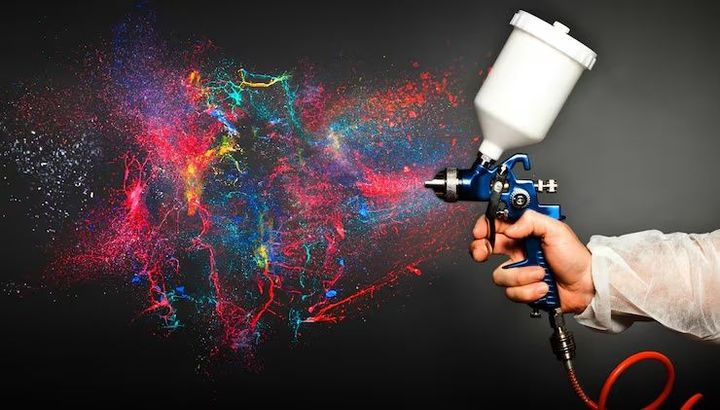
Powder coating is a surface finishing technique that applies a dry powder to metal, plastic, or ceramic surfaces to create a durable and smooth layer. This powder consists of finely ground particles made from polymer resins, pigments, curing agents, and additives. Once applied, it is heated in a curing oven, forming a strong and uniform coating.
Powder coating is a modern finishing process developed as an alternative to liquid paints, primarily to reduce volatile organic compounds (VOCs) and improve environmental safety. It is widely used in industries such as automotive, construction, electronics, and consumer goods.
This method involves applying dry powder to a surface, which is then cured under heat to form a durable, protective coating. Its popularity continues to grow due to its long-lasting finish and eco-friendly characteristics.
Importance of Powder Coating
Powder coating plays a significant role in modern manufacturing by combining durability, efficiency, and sustainability. It is suitable for both indoor and outdoor applications.
Why It Matters Today
- Environmental Benefits: Produces negligible VOC emissions
- Energy Efficiency: Advanced curing methods reduce energy consumption
- Durability: High resistance to corrosion, scratches, and weathering
- Design Flexibility: Offers a wide range of textures, colors, and finishes
- Industrial Relevance: Used across multiple sectors for long-lasting coatings
These advantages make powder coating an important solution for sustainable and efficient production.
Recent Trends in Powder Coating (2024–2025)
Recent advancements in powder coating technology focus on improving efficiency, sustainability, and precision. These innovations are shaping the future of surface finishing.
Key Trends and Impact
| Trend | Description | Impact |
|---|---|---|
| Low-Temperature Curing | Cures at lower heat levels (120°C–140°C) | Reduces energy consumption |
| Advanced Thermoplastic Coatings | Improved flexibility and chemical resistance | Expands industrial applications |
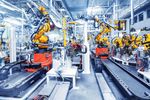
| Automation and AI Integration | Robotic systems ensure uniform coating | Enhances quality and productivity |
| UV-Curable Coatings | Faster curing with reduced emissions | Increases efficiency |
| Powder Recycling | Reuse of overspray powder | Minimizes waste and supports sustainability |
Regulations and Standards for Powder Coating
Powder coating processes are governed by international standards and environmental regulations. These ensure safe handling, quality control, and sustainability.
Key Regulatory Areas
- Chemical safety regulations limiting hazardous substances
- Environmental guidelines promoting low-emission processes
- Testing standards for coating performance and durability
- Workplace safety rules for handling powder materials
- Environmental management systems encouraging energy efficiency
Compliance with these standards supports safe and responsible manufacturing practices.
Tools and Resources for Powder Coating
Various tools and resources help professionals understand, apply, and optimize powder coating processes. These resources support better decision-making and quality control.
Useful Tools
| Tool Type | Function | Example |
|---|---|---|
| Coating Calculators | Estimate thickness and coverage | Powder Coating Calculators |
| Material Databases | Provide coating composition and properties | MatWeb, AZoM |
| Industry Platforms | Offer standards and technical guidance | PCI, ACA |
| Research Portals | Share trends and innovations | Coatings World, European Coatings |
Additional Resources
- Training programs and certification courses
- Technical manuals on coating methods
- Industry reports and sustainability guidelines
- Testing tools for quality evaluation
FAQs About Powder Coating
What materials can be powder coated?
Powder coating is commonly applied to metals such as aluminum and steel, as well as certain heat-resistant plastics and ceramics.
What are the main types of powder coatings?
The two main types are thermoplastic and thermosetting powders. Thermoplastics can be remelted, while thermosets form permanent bonds after curing.
How is powder coating different from liquid paint?
Powder coating uses dry particles instead of liquid solvents, resulting in lower emissions and a more durable finish.
Is powder coating environmentally friendly?
Yes, it produces minimal VOC emissions and allows recycling of excess material, making it a sustainable option.
How is coating quality tested?
Quality is evaluated through tests such as thickness measurement, adhesion testing, and resistance checks.
Conclusion
Powder coating is a key technology in modern manufacturing, offering durability, efficiency, and environmental benefits. It has become a preferred alternative to traditional painting methods.
With advancements in automation, low-temperature curing, and sustainable materials, the process continues to evolve. Understanding its principles and tools helps industries achieve better performance, reduced waste, and long-term sustainability.