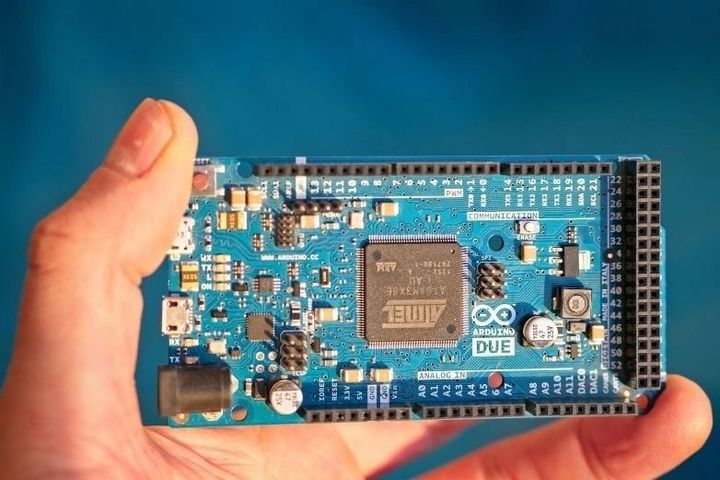
Discover Microcontrollers Manufacturing: Essential Technologies and Production Methods
Microcontrollers are compact integrated circuits designed to control electronic devices and systems.
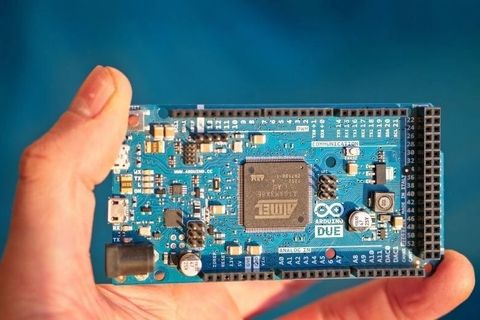
They combine a processor, memory, and input/output interfaces into a single chip, making them an important part of modern electronics. Microcontrollers manufacturing has developed alongside advances in semiconductor manufacturing, allowing smaller, more efficient, and more capable devices to be produced for many industries.
Today, industrial microcontrollers and embedded microcontrollers are found in household appliances, medical equipment, vehicles, communication devices, industrial automation systems, and consumer electronics. As semiconductor fabrication techniques continue to improve, MCU manufacturing supports increasingly complex applications while maintaining reliability and consistent performance.
Context
Understanding Microcontrollers Manufacturing
Microcontroller manufacturing refers to the process of designing, fabricating, assembling, testing, and packaging microcontroller chips. Unlike general-purpose processors, microcontrollers are built to perform dedicated control tasks within electronic equipment.
The manufacturing process depends on advanced semiconductor manufacturing methods that create millions or even billions of microscopic electronic components on silicon wafers. After fabrication, each chip undergoes multiple quality checks before becoming part of electronic products.
Evolution of Manufacturing Technologies
Early microcontrollers contained limited processing capabilities and memory. Advances in integrated circuit manufacturing have enabled manufacturers to develop smaller transistors, lower power consumption, and improved processing performance.
Modern chip manufacturing technology supports specialized products such as automotive microcontrollers, industrial control microcontroller solutions, and ARM microcontrollers for embedded applications. These improvements have expanded the use of microcontrollers across numerous industries.
Common Types of Microcontrollers
Several categories are commonly produced through embedded systems manufacturing:
- 8-bit microcontrollers for simple control functions
- 16-bit microcontrollers for moderate processing tasks
- 32-bit ARM microcontrollers for advanced embedded applications
- Automotive microcontrollers designed for transportation systems
- Industrial microcontrollers used in factory automation
- Embedded microcontrollers integrated into connected electronic devices
Importance
Supporting Everyday Electronics
Many everyday products depend on microcontroller manufacturing. Washing machines, microwave ovens, air conditioning systems, smart lighting, digital cameras, wearable devices, and home security equipment all rely on embedded microcontrollers for automated operation.
Without these compact controllers, many electronic products would require significantly larger and more complex control systems.
Enabling Industrial Automation
Industrial microcontrollers help factories automate production equipment, monitor sensors, and coordinate machinery. Industrial control microcontroller systems improve precision while supporting continuous monitoring of manufacturing equipment.
Examples include:
- Robotic assembly equipment
- Packaging machinery
- Conveyor control systems
- Temperature monitoring equipment
- Factory sensors
- Energy management systems
Supporting Transportation Technology
Automotive microcontrollers manage many electronic functions within modern vehicles. They assist systems responsible for engine management, braking, lighting, infotainment, climate control, and battery monitoring in electric vehicles.
As transportation technology evolves, automotive microcontrollers continue to support increasingly sophisticated electronic systems.
Driving Embedded Innovation
Embedded systems manufacturing enables manufacturers to integrate intelligent processing into compact products. Instead of relying on separate control units, embedded microcontrollers allow products to become smaller while handling more advanced functions.
Custom microcontroller solutions are also developed for specialized industries where unique hardware requirements exist.
Recent Updates
Continued Miniaturization
Recent developments in semiconductor fabrication continue to reduce transistor sizes while improving efficiency. Smaller manufacturing processes allow more processing capability to fit into compact integrated circuits.
This trend supports higher computing performance alongside lower energy consumption.
Greater Focus on Automotive Electronics
The automotive industry continues expanding its use of automotive microcontrollers for advanced driver assistance systems, electric power management, and vehicle communication networks.
Manufacturers continue adapting MCU manufacturing to meet higher reliability requirements associated with transportation applications.
Increased Industrial Automation
Industrial automation remains a major area of growth for industrial microcontrollers. Manufacturing facilities continue integrating sensors, programmable controllers, and connected equipment that depend on embedded control systems.
Industrial control microcontroller development increasingly emphasizes long operating life and dependable performance in demanding environments.
Improved Security Features
Many modern embedded microcontrollers now include hardware-based security capabilities that help protect stored information and device communication. These security improvements support connected devices used across industrial and consumer environments.
Expansion of ARM-Based Architectures
ARM microcontrollers continue becoming more common across numerous industries because they provide flexible processing capabilities for many embedded applications. Their architecture supports products ranging from small consumer devices to complex industrial equipment.
Laws or Policies
Semiconductor Manufacturing Standards
Microcontroller manufacturing follows various national and international standards covering semiconductor manufacturing quality, environmental protection, workplace safety, and product reliability.
Manufacturers generally implement standardized production procedures that maintain consistent fabrication quality throughout integrated circuit manufacturing.
Environmental Regulations
Semiconductor fabrication involves specialized chemicals, water purification systems, and energy-intensive production facilities. Environmental regulations often address:
- Chemical handling
- Air emissions
- Waste treatment
- Water recycling
- Energy efficiency
- Hazardous material management
These regulations aim to reduce environmental impact while maintaining safe manufacturing practices.
Product Safety Requirements
Electronic products containing embedded microcontrollers may need to satisfy product safety regulations before entering various markets. Testing commonly evaluates electrical safety, electromagnetic compatibility, and reliability under expected operating conditions.
International Manufacturing Compliance
Chip manufacturing technology frequently supports international supply chains. Manufacturers often comply with globally recognized quality management systems that improve consistency across production facilities.
Tools and Resources
Semiconductor Design Software
Before semiconductor fabrication begins, engineers use specialized electronic design automation software to create and verify integrated circuit layouts.
Common software categories include:
- Circuit design software
- Logic simulation tools
- Timing analysis software
- Physical layout applications
- Manufacturing verification platforms
Testing Equipment
Microcontroller manufacturing relies on precision testing equipment throughout production.
| Tool or Resource | Primary Purpose |
|---|---|
| Wafer inspection systems | Detect manufacturing defects |
| Chip testing equipment | Verify electrical operation |
| Package inspection tools | Examine physical packaging |
| Failure analysis equipment | Investigate production issues |
| Simulation software | Validate circuit designs |
| Process monitoring systems | Track fabrication quality |
Documentation Resources
Manufacturers, engineers, and students commonly use several reference materials:
- Technical datasheets
- Product documentation
- Development manuals
- Application notes
- Embedded programming guides
- Industry standards documentation
These resources explain hardware capabilities, electrical characteristics, and implementation details.
FAQs
What is microcontrollers manufacturing?
Microcontrollers manufacturing is the process of designing, fabricating, testing, packaging, and verifying integrated circuits that control electronic devices. It combines semiconductor manufacturing techniques with quality inspection and assembly processes.
How does semiconductor manufacturing differ from microcontroller manufacturing?
Semiconductor manufacturing creates the silicon chips through semiconductor fabrication processes. Microcontroller manufacturing includes semiconductor fabrication along with programming, testing, packaging, and final inspection before the chips are integrated into electronic products.
Where are industrial microcontrollers commonly used?
Industrial microcontrollers are widely used in factory automation, robotics, machine monitoring, industrial sensors, energy management systems, production equipment, and process control applications.
What are ARM microcontrollers used for?
ARM microcontrollers support embedded systems manufacturing across consumer electronics, industrial equipment, medical devices, communication systems, and automotive applications because they provide efficient processing within compact hardware designs.
Why is chip manufacturing technology important for embedded microcontrollers?
Advances in chip manufacturing technology allow embedded microcontrollers to become smaller, faster, and more energy efficient while supporting additional memory, processing capability, and communication features for modern electronic devices.
Conclusion
Microcontrollers manufacturing combines advanced semiconductor fabrication with precision testing, assembly, and quality control to produce compact integrated circuits used across many industries. Industrial microcontrollers, embedded microcontrollers, and automotive microcontrollers support automation, transportation, consumer electronics, and connected devices. Continued improvements in semiconductor manufacturing and integrated circuit manufacturing are expanding processing capability while reducing chip size and energy consumption. As embedded systems manufacturing evolves, microcontrollers remain an essential component of modern electronic technology.