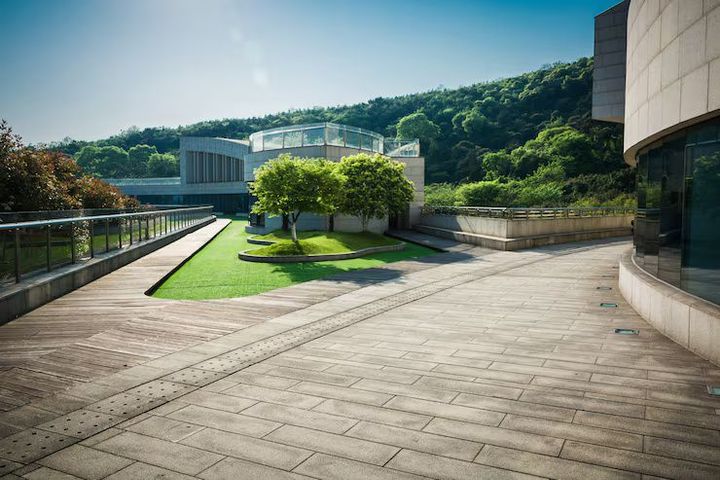
Discover Pavers: Smart Ideas for Modern Outdoor Spaces
Outdoor spaces have become an important part of modern homes and commercial properties. A well-designed patio, walkway, garden path, or driveway can improve both appearance and functionality. One of the most popular materials for these projects is pavers. They combine durability, style, and flexibility, making them a preferred choice for many landscaping projects around the world.
Pavers are individual units made from materials such as concrete, natural stone, brick, or porcelain. They are arranged in different patterns to create attractive and long-lasting surfaces. Their ability to handle changing weather conditions and heavy foot traffic has made them a key element in modern hardscape design.
Understanding Pavers and Their Purpose
Pavers are designed to create stable outdoor surfaces without the need for large continuous slabs. Unlike traditional concrete surfaces, individual pavers can move slightly with ground changes, reducing the risk of major cracks.
Modern landscape architecture often uses pavers for:
- Patios
- Driveways
- Walkways
- Garden paths
- Pool decks
- Courtyards
- Outdoor entertainment areas
The global landscaping industry continues to grow as homeowners and businesses focus more on outdoor living spaces. Research from construction market reports suggests that hardscaping materials are becoming a significant part of residential and commercial property development.
Types of Pavers
Concrete Pavers
Concrete pavers are among the most widely used options because they come in various colors, textures, and shapes. They fit both modern and traditional outdoor designs.
Benefits include:
- High durability
- Design flexibility
- Easy maintenance
- Strong weather resistance
Natural Stone Pavers
Natural stone provides a premium appearance and unique textures. Materials like granite, limestone, and travertine are commonly used in luxury landscapes.
Key advantages include:
- Elegant appearance
- Long lifespan
- Natural color variations
- Excellent strength
Brick Pavers
Brick pavers create a timeless look that works well in gardens and historic-style properties. Their classic design remains popular for pathways and courtyards.
Porcelain Pavers
Porcelain pavers have gained attention because they resist moisture and stains. They are often used in contemporary outdoor environments where a clean and modern finish is preferred.
Why Modern Outdoor Spaces Use Pavers
Modern design focuses on creating outdoor areas that are practical and visually appealing. Pavers support this trend because they can match different architectural styles.
Flexible Design Options
Pavers can be arranged in herringbone, basket weave, running bond, or geometric patterns. These layouts help create unique landscapes without making the area look repetitive.
Durability and Performance
Outdoor surfaces experience constant exposure to sunlight, rain, and temperature changes. High-quality pavers are designed to handle these conditions while maintaining their appearance over time.
Sustainable Landscaping
Many modern paving systems support water drainage, helping reduce surface runoff. Permeable pavers allow rainwater to pass through gaps, which can contribute to better environmental management.
Popular Paver Trends
Landscape design continues to evolve, and several trends have become popular in recent years.
Large Format Pavers
Large pavers create a clean and spacious appearance. They work especially well in modern patios and outdoor lounges.
Mixed Material Designs
Combining stone pavers with decorative gravel, artificial turf, or garden beds creates a balanced outdoor environment.
Neutral Color Palettes
Gray, beige, charcoal, and natural earth tones remain popular because they complement many architectural styles.
Smart Outdoor Planning
Many property owners now integrate pavers with outdoor lighting systems, drainage solutions, and landscape management plans to improve functionality.
Practical Tips for Choosing Pavers
Selecting the right pavers depends on several factors.
Consider Traffic Levels
Driveways require stronger materials than garden paths. Heavy-use areas should use pavers with higher load-bearing capacity.
Match the Property Style
Contemporary buildings often pair well with porcelain or large concrete pavers, while natural stone complements traditional architecture.
Think About Climate
Areas with frequent rain or freezing temperatures may benefit from materials designed for moisture resistance and thermal durability.
Focus on Long-Term Maintenance
Simple cleaning and occasional joint sand replacement help maintain the appearance and stability of paved surfaces.
Common Installation Considerations
A successful paving project depends on proper preparation. A stable foundation helps prevent movement and uneven surfaces.
Important installation steps include:
- Ground preparation
- Base layer compaction
- Edge restraint placement
- Proper spacing between pavers
- Joint filling
- Surface leveling
Careful planning can improve the lifespan and performance of any outdoor paving system.
Future of Pavers in Landscape Design
Technology is influencing the landscaping industry. Manufacturers are developing stronger materials, environmentally friendly products, and innovative paving systems that support modern construction practices.
Digital landscape planning tools also help designers visualize outdoor spaces before installation begins. This trend is making hardscape projects more efficient and better aligned with customer expectations.
As outdoor living continues to grow in popularity, pavers are expected to remain an essential part of residential and commercial landscape design.
Final Thoughts
Pavers offer a practical and attractive solution for creating modern outdoor spaces. Their versatility, durability, and design flexibility make them suitable for a wide range of applications, from simple garden paths to sophisticated patios and driveways.
Understanding different materials, design trends, and installation principles can help property owners make informed decisions. Whether the goal is improving functionality or enhancing visual appeal, pavers provide a reliable foundation for outdoor environments that are built to last.