Plasma cutting is a thermal process used to cut electrically conductive materials such as steel, stainless steel, aluminum, and copper by means of a high-temperature jet of ionized gas known as plasma.
In a plasma cutter, a gas—such as compressed air, nitrogen, or a gas mixture—is forced through a nozzle. An electric arc is generated between an electrode and the workpiece, ionizing the gas and creating plasma that reaches extremely high temperatures. The heat melts the metal, while the high-velocity gas blows the molten material away to form a clean cut.
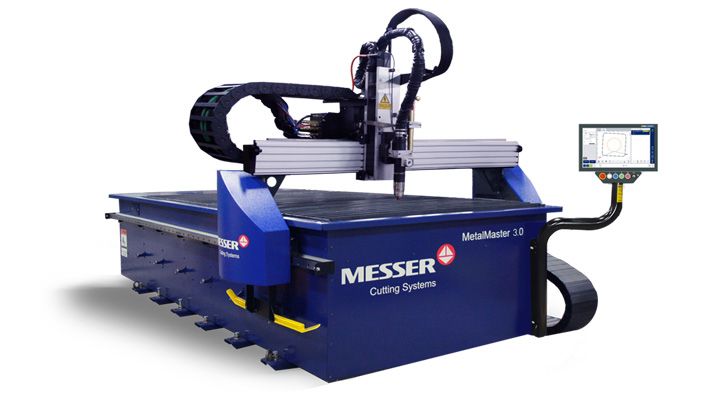
Plasma cutting machines exist because industries need an efficient, precise, and adaptable way to cut metals. Compared to oxy-fuel cutting, plasma cutting provides faster speed and better quality for many materials. It also offers a more economical option than some laser systems, especially for thicker metals.
There are several types of plasma cutting systems:
-
Manual or handheld plasma cutters – compact and flexible, used in workshops and maintenance tasks.
-
CNC and mechanized plasma cutters – integrated with automated motion control systems for production lines.
-
High-definition plasma cutters – deliver improved precision, narrow kerf width, and smoother finishes.
-
Water-injection and hybrid plasma systems – combine multiple technologies to reduce heat distortion or improve cut quality.
Why Plasma Cutting Machines Matter Today
Plasma cutting plays a vital role in modern manufacturing and fabrication. It provides practical benefits across industries where metal shaping and finishing are daily operations.
Key advantages and applications include:
-
Speed and productivity: Enables faster cutting cycles for thick materials compared to mechanical or flame cutting methods.
-
Versatility: Works effectively on a variety of metals and can produce both straight and intricate contour cuts.
-
Precision: Modern plasma cutters achieve tight tolerances and smooth edges with minimal rework.
-
Automation compatibility: Plasma technology integrates seamlessly with CNC and robotic systems, ensuring repeatable accuracy.
-
Accessibility: Compact models make advanced cutting accessible even to small workshops and educational training centers.
Plasma cutting directly supports industries such as:
-
Fabrication and metalworking
-
Automotive and aerospace manufacturing
-
Shipbuilding and heavy engineering
-
Construction and infrastructure development
Global demand for plasma cutting machines continues to grow steadily, driven by industrial expansion and the need for efficient metal processing solutions. Market forecasts suggest the sector will maintain a healthy growth rate through the coming decade as automation and digital control systems become standard features.
Recent Updates, Trends, and Innovations (2024–2025)
The plasma cutting landscape is evolving rapidly, influenced by automation, sustainability, and digital technologies. Some of the most relevant updates include:
1. Smart automation and AI integration
Artificial intelligence and Internet of Things (IoT) sensors are being incorporated into plasma cutting systems. These technologies automatically adjust cutting parameters, predict wear on consumables, and improve consistency across production batches.
2. Robotic and hybrid systems
Robotic plasma arms and hybrid machines combining plasma with laser or waterjet systems are becoming more common. They offer higher flexibility and throughput, especially in advanced manufacturing facilities.
3. Improved consumables and durability
Advancements in electrode and nozzle design help extend consumable life and minimize downtime. New coating materials and optimized gas flow reduce wear and enhance cut quality.
4. Energy efficiency and eco-friendly designs
Manufacturers are emphasizing sustainability. Newer models focus on reducing power consumption, optimizing gas use, and integrating fume extraction or filtration systems to meet environmental standards.
5. Market competition with laser cutting
While plasma cutting remains ideal for thicker materials, fiber laser cutting is increasingly preferred for thinner sheets that require extremely smooth edges. As a result, both technologies often coexist, chosen according to the application.
6. Industry outlook
Experts predict consistent market growth through 2030, with the global plasma cutting equipment segment expanding due to demand for automation, industrial infrastructure, and precision manufacturing.
Laws, Policies, and Standards (Focus on India and Global Context)
The manufacture and operation of plasma cutting machines are influenced by strict safety and quality standards. These ensure operator safety, equipment reliability, and environmental compliance.
Indian Standards and Certification
The Bureau of Indian Standards (BIS) regulates machine tools, including plasma cutting systems. Standards such as IS 23887:2012 define the safety and performance parameters required for plasma cutting machines used domestically or imported into India.
Under BIS Scheme X, metal-cutting tools that fall under specific Harmonized System (HS) codes must obtain certification before sale or distribution. Non-compliance can restrict import or participation in government projects.
Electrical and mechanical safety
Manufacturers must comply with recognized international standards, such as EN 60204-1 (Safety of Machinery – Electrical Equipment) and relevant ISO or ANSI guidelines. These ensure machines are electrically safe, properly grounded, and equipped with protective systems to prevent accidents.
Workplace and occupational health regulations
Factory safety laws mandate protective gear, shielding, and adequate ventilation. Plasma cutting emits light, heat, and fumes, so proper fume extraction systems are legally required in enclosed areas.
Environmental and emissions compliance
Workshops and industrial facilities must adhere to air-quality and emission standards, ensuring safe disposal of waste gases and metallic particulates generated during cutting operations.
Inspection and certification requirements
In many regions, plasma cutting machines must undergo inspection before installation and periodic audits to ensure ongoing compliance with safety and environmental regulations.
Tools, Resources, and Practical Supports
A range of digital tools, references, and professional resources are available to help users learn, plan, and operate plasma cutting equipment safely and efficiently.
Technical references and standards
-
National and international standards from BIS, ISO, and ANSI for machine tools and safety.
-
Training manuals and safety handbooks provided by equipment manufacturers.
-
Industry guides covering plasma cutting process control, troubleshooting, and safety management.
Software and control tools
-
CAD/CAM software: Used for designing parts and generating CNC toolpaths.
-
Nesting software: Optimizes sheet layouts to minimize material waste.
-
IoT dashboards: Provide real-time data on machine performance and maintenance needs.
Practical calculators and charts
-
Torch stand-off distance estimators.
-
Duty-cycle and current-load calculators.
-
Fume-extraction capacity charts.
-
Protective lens-shade and PPE selection guides.
Educational and training resources
-
Industrial training institutes and technical schools offering skill-development courses in plasma cutting and welding.
-
Online learning platforms providing tutorials on plasma cutting operation and safety.
-
National skill councils supporting certification for machine operators and maintenance technicians.
These tools and resources support both beginners learning basic operation and professionals aiming to optimize advanced cutting systems.
Frequently Asked Questions (FAQs)
What types of metals can be cut with a plasma cutting machine?
Plasma cutting works on any electrically conductive metal, including mild steel, stainless steel, aluminum, brass, and copper. The choice of gas and power setting determines performance for each material type.
How thick can plasma cutting machines cut?
The maximum cutting thickness depends on machine capacity and amperage. Portable systems typically handle up to 20 mm, while heavy-duty industrial units can cut through 50 mm or more with high precision.
How is plasma cutting different from laser cutting?
Plasma cutting is generally faster and more economical for thicker materials but produces slightly wider kerfs and rougher edges compared to lasers. Laser cutting provides cleaner edges for thin metals but at higher equipment cost.
What maintenance is required for plasma cutting machines?
Routine tasks include cleaning the torch and nozzle, checking connections, replacing consumables, inspecting the air or gas system, verifying cooling systems, and maintaining proper grounding. Preventive maintenance ensures consistent performance and safety.
What safety measures should operators follow?
Operators should wear protective clothing, welding gloves, and shaded face shields. Work areas must be well-ventilated, and all electrical connections properly insulated. Operators should also be trained in emergency shutdown and fire-safety procedures.
In Closing
Plasma cutting machines represent a vital link in the chain of modern fabrication. They provide a balanced combination of precision, speed, and versatility for cutting conductive metals across a range of thicknesses.
The technology continues to evolve, driven by automation, artificial intelligence, and sustainable engineering. From industrial manufacturing plants to technical training workshops, plasma cutting remains a cornerstone of efficient metal processing.
Understanding how these machines work, the standards governing them, and the tools available to enhance their performance ensures that plasma cutting remains a safe, effective, and future-ready technology for industries worldwide.