Discover Sterilization Equipment Manufacturing: Tips, Technical Details, and Safety Insights
Sterilization equipment manufacturing plays a crucial role in maintaining hygiene and preventing contamination across industries such as healthcare, pharmaceuticals, food processing, and laboratories. Sterilization refers to the process of eliminating all forms of microorganisms, including bacteria, viruses, fungi, and spores, from surfaces, tools, and environments. This process ensures that materials are safe for use, especially in sensitive settings like hospitals and research facilities.
The concept of sterilization dates back to early scientific discoveries about microorganisms and disease transmission. Over time, advances in engineering and materials science led to the development of specialized machines designed for consistent and controlled sterilization. Today, sterilization equipment manufacturing involves the design, production, and testing of devices such as autoclaves, dry heat sterilizers, and gas-based systems.
Modern sterilization systems are built with a focus on reliability, safety, and efficiency. Manufacturers must consider various factors such as temperature control, pressure regulation, material compatibility, and automation features. These systems are often tailored to meet the requirements of specific industries, making the manufacturing process both complex and highly regulated.
Importance
Sterilization equipment manufacturing is important because it directly supports public health and safety. In medical environments, properly sterilized instruments reduce the risk of infections during procedures. In food production, sterilization helps prevent contamination that could affect product quality and consumer health.
Several everyday challenges are addressed through sterilization equipment, including:
- Infection control in hospitals, where surgical tools must remain sterile before use
- Preservation of food products by eliminating harmful microorganisms
- Safe laboratory research, where contamination can affect experimental results
- Pharmaceutical production, where sterile conditions are necessary for drug development
The reliability of sterilization equipment is essential. Even small inconsistencies in temperature or exposure time can reduce effectiveness. As a result, manufacturers focus on precision engineering and strict quality testing.
Another important aspect is accessibility. Smaller clinics, rural healthcare centers, and educational laboratories rely on compact and easy-to-use sterilization systems. Manufacturing processes are evolving to accommodate these needs without compromising safety or performance.
Recent Updates
Between 2024 and 2026, sterilization equipment manufacturing has seen several notable trends. One major development is the integration of digital monitoring systems. Many modern sterilizers now include sensors and software that track temperature, pressure, and cycle duration in real time. This data can be stored and reviewed for compliance and quality assurance.
Automation has also become more common. Automated loading systems, programmable cycles, and remote monitoring features help reduce human error and improve consistency. These updates are especially useful in high-volume environments such as hospitals and industrial processing units.
Sustainability is another growing focus. Manufacturers are exploring ways to reduce energy consumption and water usage in sterilization processes. Some systems now use alternative sterilization methods, such as low-temperature hydrogen peroxide vapor, which can be more energy-efficient for certain applications.
Additionally, there has been increased attention on modular designs. These systems allow components to be upgraded or replaced without requiring complete equipment replacement. This approach supports long-term usability and adaptability.
Laws or Policies
Sterilization equipment manufacturing is governed by strict regulations to ensure safety and effectiveness. These rules vary by country but generally align with international standards.
In many regions, manufacturers must comply with guidelines established by organizations such as:
- International Organization for Standardization (ISO), particularly ISO 13485 for medical devices
- World Health Organization (WHO), which provides recommendations for sterilization practices
- National regulatory bodies that oversee medical and industrial equipment
Key regulatory requirements often include:
- Validation processes to confirm that sterilization cycles effectively eliminate microorganisms
- Documentation of manufacturing procedures and quality control measures
- Regular inspection and certification of equipment
- Clear labeling and user instructions for safe operation
In countries like India, sterilization equipment may fall under medical device regulations, requiring approval from relevant authorities before distribution. Compliance ensures that equipment meets established safety benchmarks and performs as intended.
Tools and Resources
Sterilization equipment manufacturing relies on a range of tools and resources to ensure accuracy, consistency, and compliance. These tools support both the design and operational stages of manufacturing.
Common tools include:
- Simulation software, which helps engineers model temperature distribution and airflow within sterilizers
- Calibration instruments, used to verify temperature and pressure accuracy
- Data logging systems, which record sterilization cycle parameters for analysis
- Material compatibility charts, which guide the selection of components that can withstand sterilization conditions
Below is a simple comparison of common sterilization methods used in equipment manufacturing:
| Method | Temperature Range | Common Use Cases | Key Characteristics |
|---|---|---|---|
| Steam (Autoclave) | 121–134°C | Medical instruments, textiles | High efficiency, widely used |
| Dry Heat | 160–180°C | Glassware, metal tools | No moisture, longer cycles |
| Gas (Ethylene Oxide) | 37–55°C | Sensitive medical devices | Low temperature, requires aeration |
| Hydrogen Peroxide Vapor | 40–60°C | Electronics, delicate instruments | سريع cycles, lower residue |
Educational platforms and technical manuals also play an important role. These resources help operators understand how to use and maintain sterilization equipment safely. Training materials often include step-by-step procedures, safety guidelines, and troubleshooting tips.
FAQs
What is sterilization equipment manufacturing?
Sterilization equipment manufacturing refers to the process of designing and producing machines that eliminate microorganisms from tools, surfaces, and environments. These machines are used in healthcare, food processing, and laboratory settings.
How does sterilization equipment work?
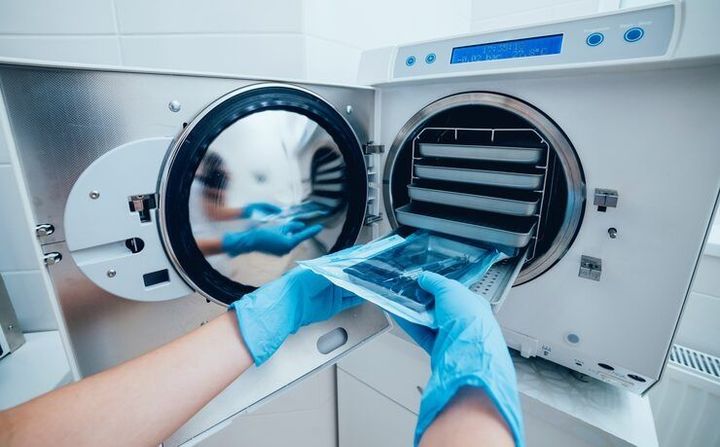
Sterilization equipment uses methods such as heat, pressure, or chemicals to destroy microorganisms. For example, autoclaves use steam under pressure, while gas-based systems use chemical agents to achieve sterilization.
Why is sterilization equipment manufacturing important in healthcare?
Sterilization equipment manufacturing supports infection control by ensuring that medical instruments are safe for use. Properly sterilized tools reduce the risk of contamination during medical procedures.
What safety measures are included in sterilization equipment?
Modern sterilization systems include features such as temperature sensors, pressure controls, automatic shut-off mechanisms, and cycle monitoring. These features help maintain safe and consistent operation.
Are there different types of sterilization equipment manufacturing processes?
Yes, different processes are used depending on the type of equipment being produced. These may include precision machining, assembly of electronic components, and quality testing to ensure compliance with safety standards.
Conclusion
Sterilization equipment manufacturing is an essential part of maintaining safety and hygiene across multiple industries. It combines engineering, science, and regulatory compliance to produce systems that effectively eliminate harmful microorganisms. Advances in automation, monitoring, and sustainability continue to shape the field. Understanding how these systems are designed and used helps highlight their role in everyday safety and public health.